India should stop counting its AI chips and start asking for results
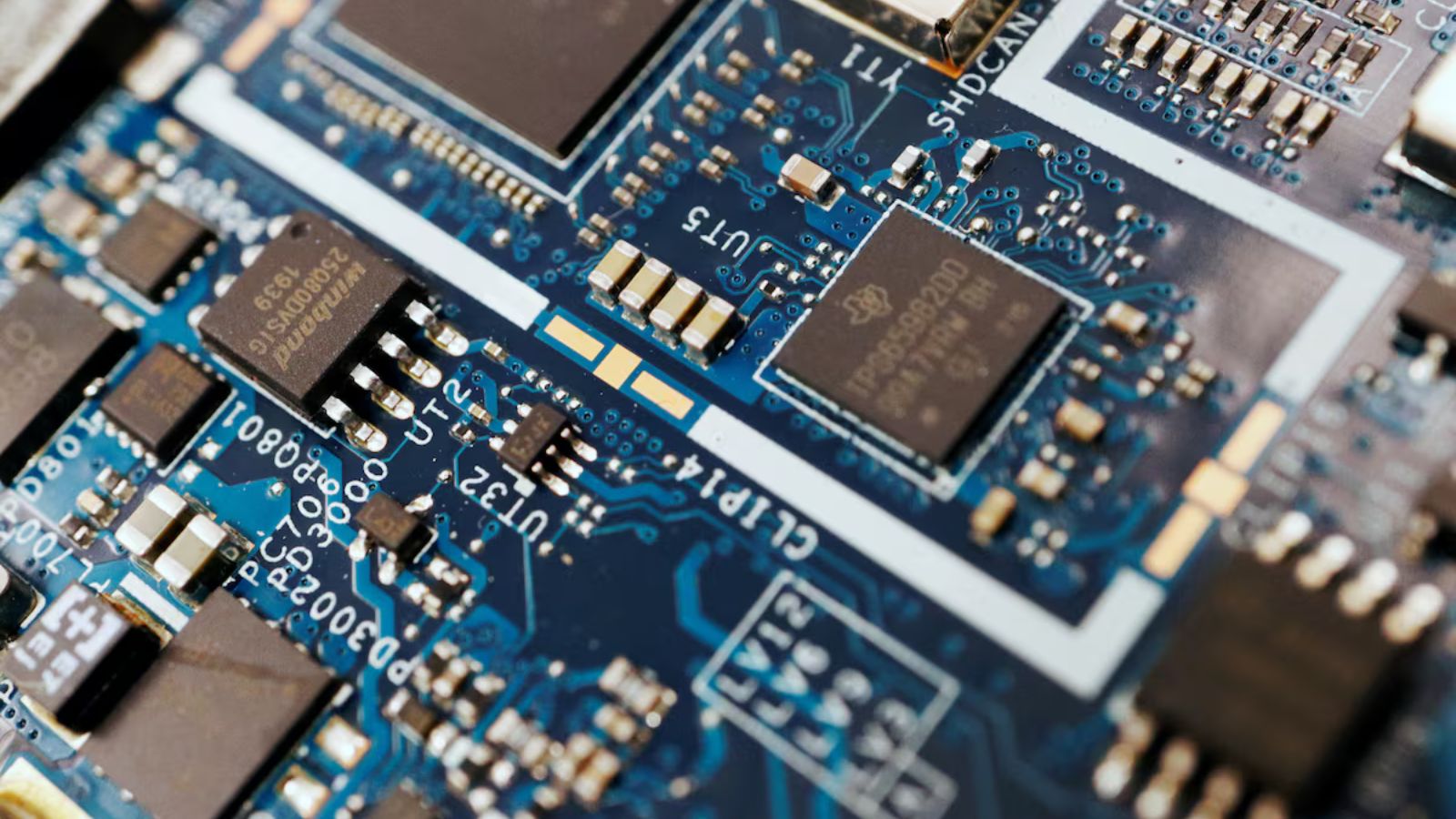
India's government recently revealed that the IndiaAI Mission had allocated 93 lakh hours of chip time for 237 projects. For reference, the Chinese lab DeepSeek needed around 2.8 million hours of similar chip time to build its V3 model. India has already sanctioned approximately three times that amount of chip time. While the chips are not all identical and sanctioned hours do not equate to used hours, the H800, used by DeepSeek, is essentially a less powerful version of Nvidia's H100 chip.
Despite this, the trend is evident. Sarvam, a Bengaluru-based startup, received 4096 Nvidia H100 chips for six months, while DeepSeek achieved similar results using half that amount, albeit in a shorter time frame. Sarvam's models were developed domestically and prove to be competitive with models from OpenAI and Alibaba released in 2025.
However, chips are not the sole determining factor. Post-chip installation, models must be applied in practical scenarios such as answering legal questions, advising farmers, writing medical notes in Marathi, and more. These tasks necessitate subject matter experts and tasks that can be evaluated using a scoring system, which falls under the category of reinforcement learning environments.
Companies like Meta have invested significantly in this type of data. India possesses professionals in courts, hospitals, universities, and language institutions who could contribute to this area. This work is highly valuable, and Meta paid a substantial sum for a majority stake in Scale AI, a company specializing in providing such data.
Importantly, chip export rules typically do not apply to this type of work. To progress, India should shift its focus from counting chips to measuring results. Some of the sanctioned chip time could be reserved for extended runs, awarded to teams whose models excel in Indian-language and subject tests. Additionally, it is crucial to compensate experts for writing tasks and scoring systems, making these available for any Indian lab to utilize.
This investment would be relatively modest compared to the mission's total budget of Rs 10,372 crore. India can leverage existing free models and utilize them further, or invest in domestic solutions that understand Indian law, medicine, farming, and languages, backed by evidence of their efficacy. Furthermore, India should consider bypassing tightly controlled chip manufacturing chokepoints.
While accelerators and lithography processes are susceptible to export controls, the packaging and assembly stages of the supply chain are generally less regulated. Deepening India's capabilities in packaging, particularly towards memory packaging, could prove to be a more attainable objective than investing in a leading-edge fab.
Lastly, India could engage with countries that the US AI diffusion rule effectively targeted, such as those with capital and expertise but lacking advanced fabrication facilities. Collaborating with these nations could yield mutually beneficial arrangements, such as setting up national repositories of significant open-weight models, ensuring availability and clustering advantages.
Written by urgent.news from The Indian Express's reporting — not their text. Machine-written — may contain errors; check the original before relying on it.