India can build any technology, says Prof. Ashok Jhunjhunwala; calls for backing startup risk-takers
At TechSparks 2026, Prof. Ashok Jhunjhunwala spoke about India’s potential to develop any technology and called for a shift from exam-centric education towards entrepreneurship, edge computing, and consortia bringing scientists and startups together to solve local challenges.
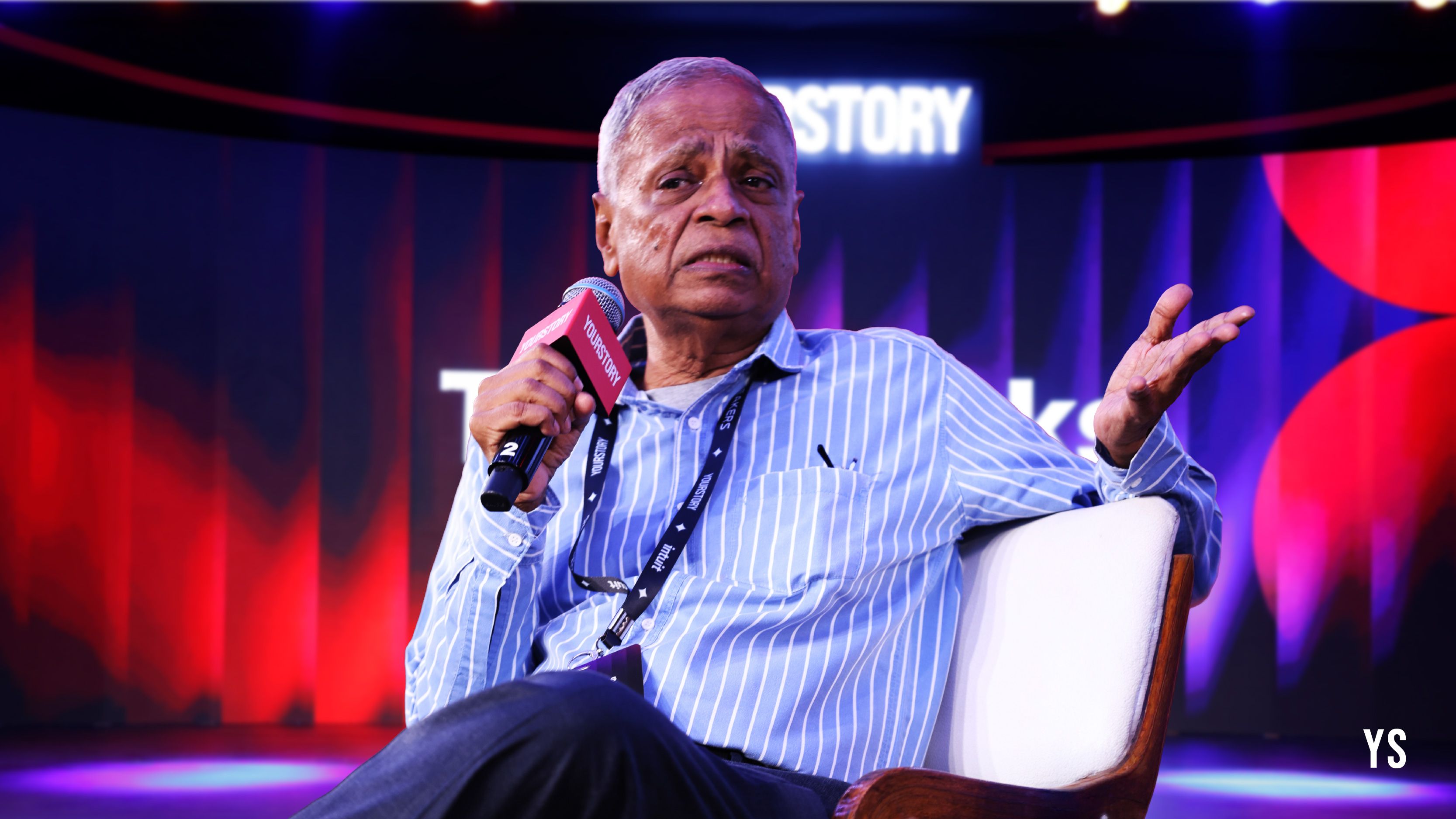
India possesses the capability to develop any technology worldwide, asserts Professor Ashok Jhunjhunwala, Institute Professor at IIT Madras and Chairman of IIIT Hyderabad and the ITEL Foundation. He emphasizes the need to support young entrepreneurs to achieve full technological self-reliance. Established domestic industry tends to be risk-averse, while young startup founders are willing to take risks and drive national transformation, he stated during a fireside chat at TechSparks 2026.
However, Jhunjhunwala believes that transforming this potential into global leadership requires addressing a structural issue in technical education and focusing innovation on practical local challenges. A paradox exists where Indian engineers excel in software development but continue to import most physical products. The primary bottleneck lies in engineering colleges prioritizing exam preparation over practical product development.
Jhunjhunwala advocates for a curriculum overhaul to promote hands-on creation. Young people in Tier II, III, and IV cities have vast talent and determination, willing to work long hours when given the chance. To harness this potential, India must shift its AI strategy towards edge computing, processing data directly on local devices like smartphones and laptops.
By training open-weight models with domestic datasets, Indian enterprises can deploy compact models to enhance efficiency in manufacturing and enterprise workflows. Indian incubators are guiding young founders in designing custom low-watt graphics processing units for high-speed computation on small edge devices. Jhunjhunwala's Immersive Technology and Entrepreneurship Labs (ITEL) brings together academic scientists and startup founders to tackle civic issues, such as designing efficient urban transit systems and developing automated waste separation technologies.
By empowering young entrepreneurs to solve local problems and learn from iterative failures, India can move from importing foreign solutions to becoming a global technological leader.
Written by urgent.news from YourStory's reporting — not their text. Machine-written — may contain errors; check the original before relying on it.