'Incoherent,' 'deeply problematic,' and 'bad,' Europe reacts to Trump's recent pro-Russian turn
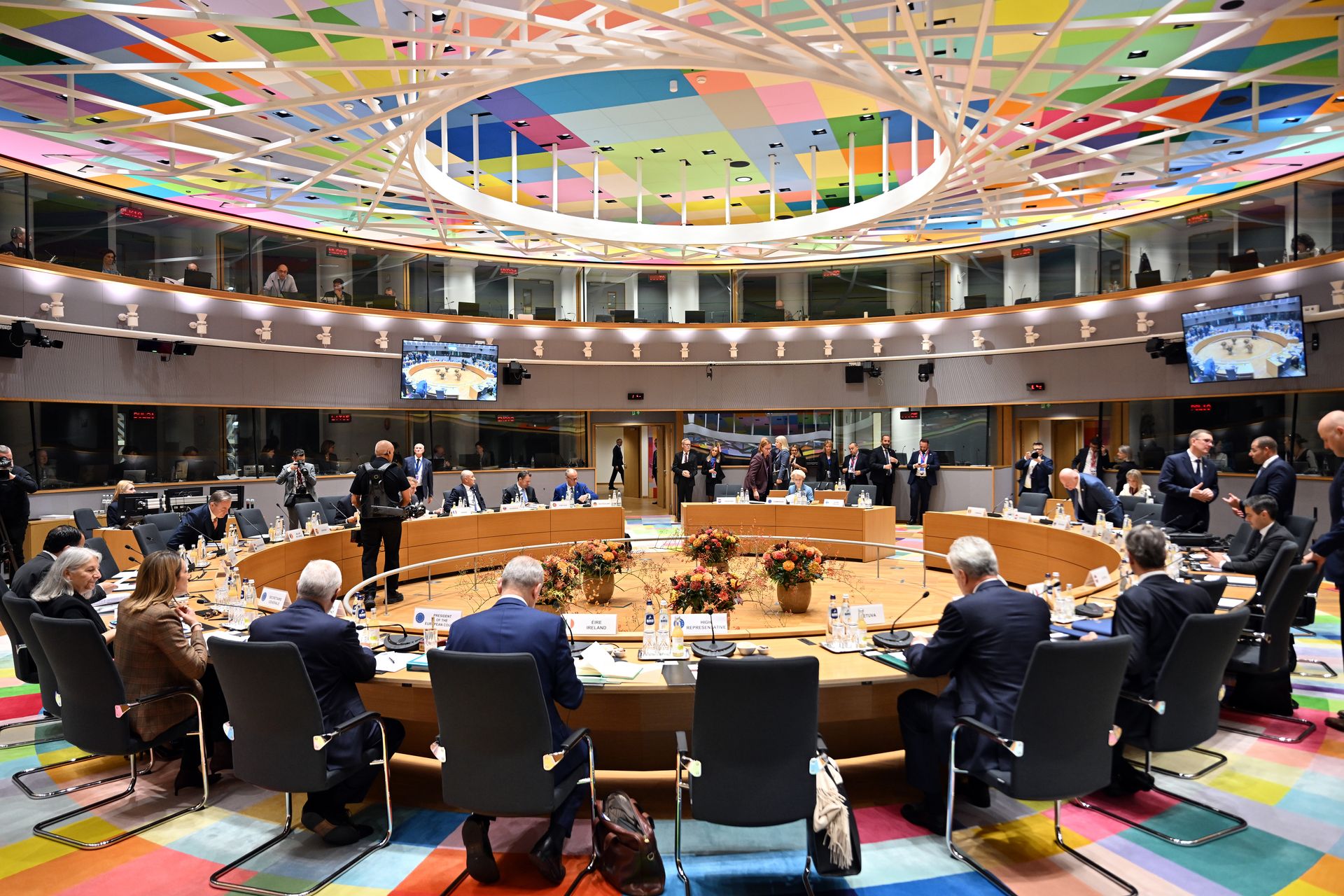
The recent pro-Russian turn by the U.S. Trump administration has sparked strong reactions in Europe. At the Oct. 15 summit in Brussels, EU leaders criticized Trump's recent decisions, while also expressing hope for the future of the transatlantic alliance.
Trump announced a deal to purchase Russian diesel on Oct. 9 and called for the replacement of Ukrainian President Volodymyr Zelensky. Days later, Ukraine restricted the use of Starlink without warning, and there were concerns about limited intelligence sharing, which could put Ukrainian civilians at greater risk of Russian aerial attacks.
Ukrainian President Zelensky described the latest moves from the U.S. as a betrayal of Ukraine. Swedish Prime Minister Ulf Kristersson regretted the agreement on diesel, stating that it is not about Ukraine but American politics. Portuguese Prime Minister Luis Montenegro called the agreement incoherent and not coherent due to its signal of support for Russia's aggression against Ukraine.
EU top diplomat Kaja Kallas emphasized that Europe and the U.S. have different approaches to the war, stating that Europe's role is to pressure the aggressor to stop the war, not the victim to surrender. She highlighted Europe's role as a strong player, noting that the U.S. policy shift on Russia has been ongoing for over a year.
Several EU leaders criticized the unilateral restrictions placed on the use of Starlink over Ukraine without prior warning, calling it deeply problematic. Danish Prime Minister Mette Frederiksen and Austrian Prime Minister Christian Stocker echoed these concerns, stating that it shows the danger of information being in the hands of tech giants rather than Europe.
The moves from the U.S. led Foreign Minister Andrii Sybiha called on Europe to take its future in its own hands, a sentiment echoed by several EU leaders after his meeting. Trump's and Putin's agreement was deemed very dangerous by several leaders, urging Europe to take its role once again.
While there was a consensus among EU leaders against the moves, there was a willingness to maintain contact with the U.S. Some leaders, like Dutch Prime Minister Rob Jetten and Lithuanian President Gitanas Nauseda, urged the U.S. to stay united against Russia's aggression, warning of its impact on their way of life, rules, and democratic values.
Written by urgent.news from Kyiv Independent's reporting — not their text. Machine-written — may contain errors; check the original before relying on it.