In Sri Lanka, human-elephant conflict takes deadly toll
An average of 138 people have been killed in encounters with the animals each year in Sri Lanka since 2019
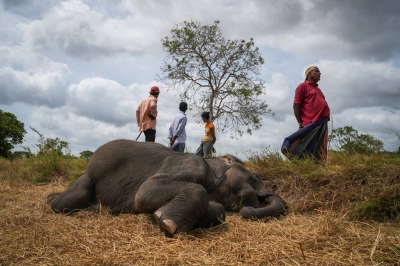
Galgamuwa, Sri Lanka - Dewagiri Mudiyanselage Thilakaratne Bandara, a wildlife officer, navigates to the electric fence that shields his village from roaming elephants. The 14-kilometer fence protects the 2,000 families residing in nearby villages. Galgamuwa stands at the forefront of a severe human-elephant conflict, with an average of 138 fatalities per year since 2019, placing it second in the world.
Elephants, forced from their habitats due to shrinking forests, have killed an average of 402 people annually during the same period, the highest death toll globally. "Twenty years ago, we didn't have this situation as there were large forests across from the tank. But they were cleared, and the elephants moved closer, affecting this village," Bandara explained while repairing the fence.
"When we were young, we used to see elephants from a corner of the tank. Now, at night, the elephants come to see us."
Sri Lankans hold a deep cultural connection to elephants, featuring them in temple pageants and considering them status symbols. However, the tourism industry, worth $4 billion, also depends on these animals. In 2023, elephant deaths reached a record high of 488, with many killed intentionally and others dying from poisoning, electrocution, train accidents, or falling into wells.
Bandara personally experienced the conflict when an elephant attacked him and his wife, leaving him with a broken leg and dislocated shoulder, while his wife suffered a fatal injury requiring a leg amputation.
Villagers have had to adapt their daily routines to mitigate risks, starting school 30 minutes later than usual, finishing work earlier, and scheduling funerals and weddings to minimize elephant encounters. They rely on a WhatsApp group to track elephant movements, often chasing away the animals or alerting hospitals in case of attacks.
Bandara advocates for ending forest clearing for farming and calls for reforestation efforts. With 70% of Sri Lanka's 7,451 wild elephants living outside protected areas and their population growing by 27% in a decade, the proximity of humans and elephants has increased. Bandara emphasizes that he does not harbor hatred towards elephants, viewing them as innocent victims of human activities.
Written by urgent.news from Japan Times's reporting — not their text. Machine-written — may contain errors; check the original before relying on it.