If no chip self-reliance, risk of failing in future conflicts: DRDO units
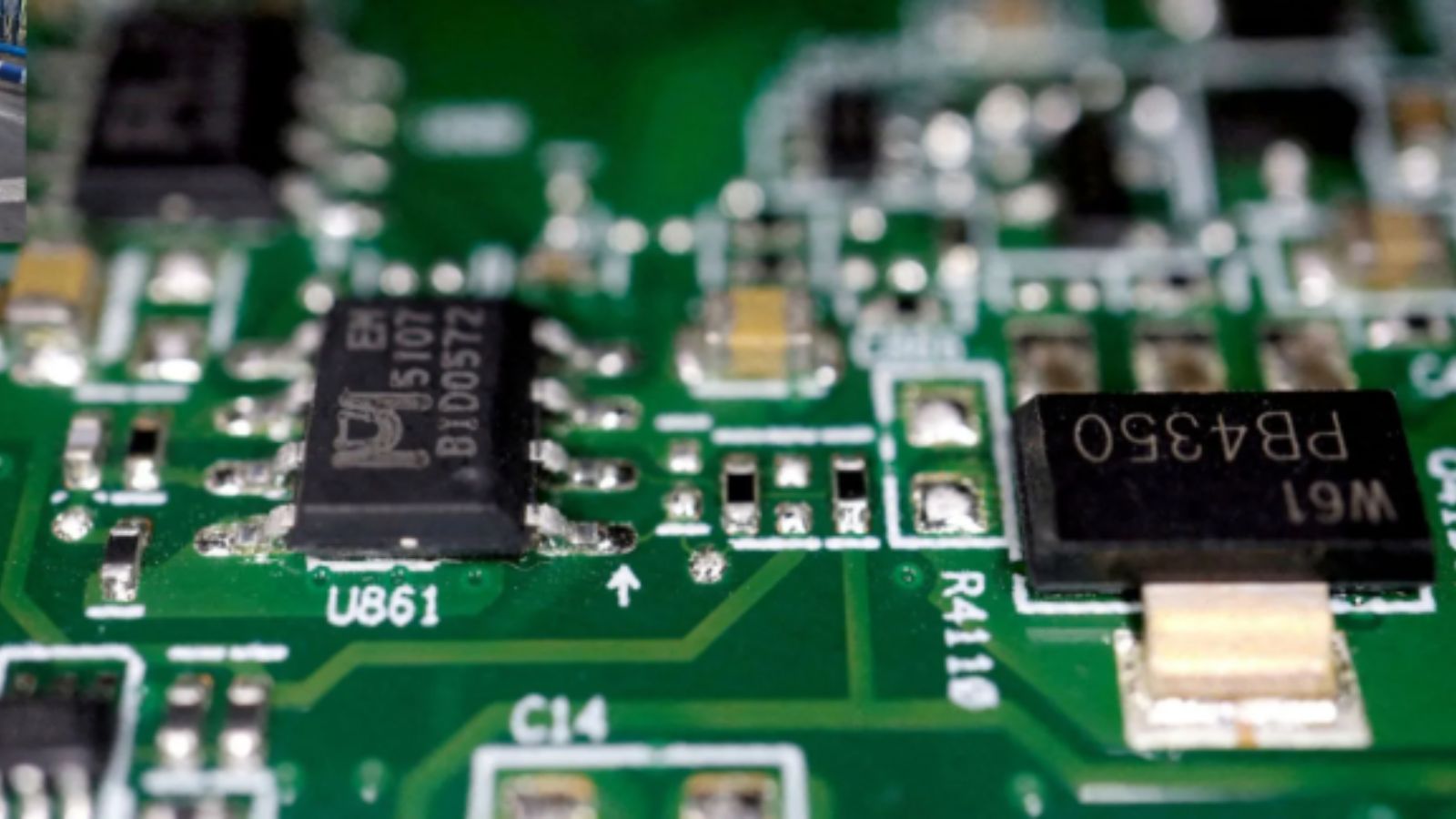
India experts warn that without achieving chip self-reliance by 2047, the target year for Viksit Bharat, the country risks being "failing in future conflicts" driven by AI, cyber technologies and space power. While India generates 20% of global AI data, it only hosts 3% of AI data centers. Currently, 20% of the world's chip design workforce is in India, yet 90% of the chip industry depends on imports.
In a session on 'Semiconductors and Next-Gen Chips' at the Emerging Science, Technology and Innovation Conclave, DRDO officials highlighted India's current position in the semiconductor sector.
Despite India not aiming for overall leadership in the ecosystem by the 2047 deadline, officials stated that the country must strive for leadership in some domains to be recognized as a global strategic power. Dr. Anesh Sharma, Director of DRDO's Solid State Physics Lab, emphasized that India should aim to be a leader in some domain so that its contributions are valued by other nations.
He pointed out that the US dominates chip design, Taiwan and South Korea manage manufacturing foundries, while Japan, Europe, and the Netherlands possess critical infrastructure for wafer, chemical, and other production aspects. China also boasts maturity in node fabrication. Sharma urged India to focus on manufacturing two-nanometer chips and 3D structures at least in top 10 worldwide foundries to contribute 20% to top niche technologies.
Additionally, India must develop expertise in quantum computing, photonic integrated circuits, and neuromorphic computing to gain strategic relevance. DRDO DG B K Das stressed the importance of achieving 100% technological independence, with design control remaining with India and product quality surpassing that of the US. He noted the mission is clear, designs are in place, and the mindset is ready, with the aim of reaching this goal one day.
DRDO Technology Management DG Anupam Sharma highlighted that future wars will not be determined by physical territory or traditional military prowess, but rather by those who leverage science, industry, algorithms, and data.
Written by urgent.news from The Indian Express - India's reporting — not their text. Machine-written — may contain errors; check the original before relying on it.
This story
This is one outlet's version. Read the fullest account.