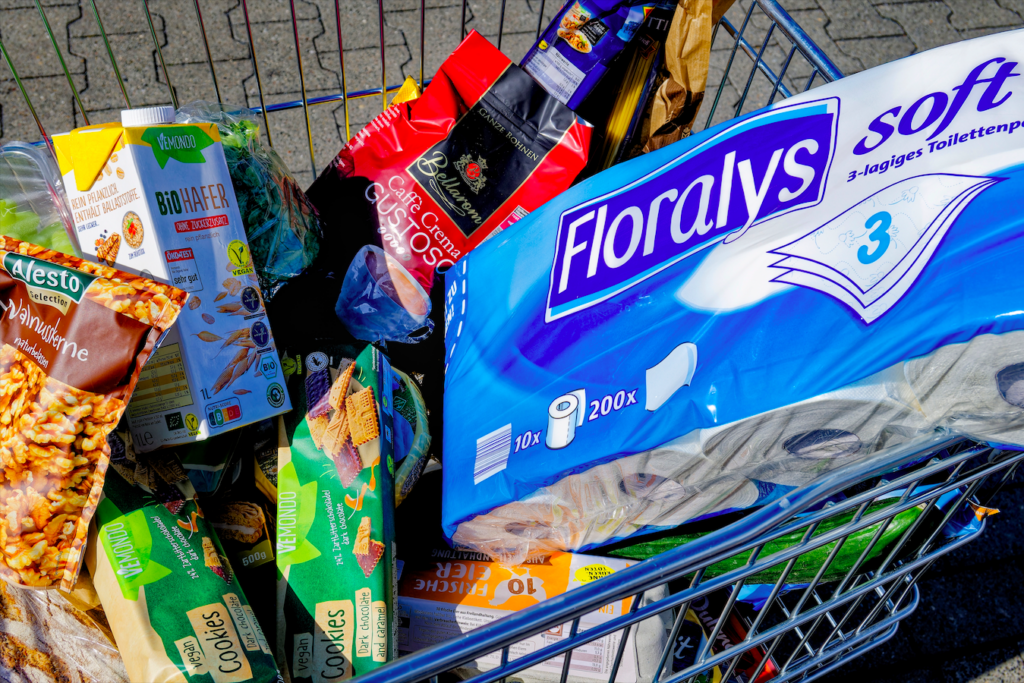
How much longer will consumers be willing to muscle through higher prices?
High gas prices are intensifying inflation and vacuuming up more of Americans' dollars, yet consumers are still digging deep to spend, powering the economy, at least for now
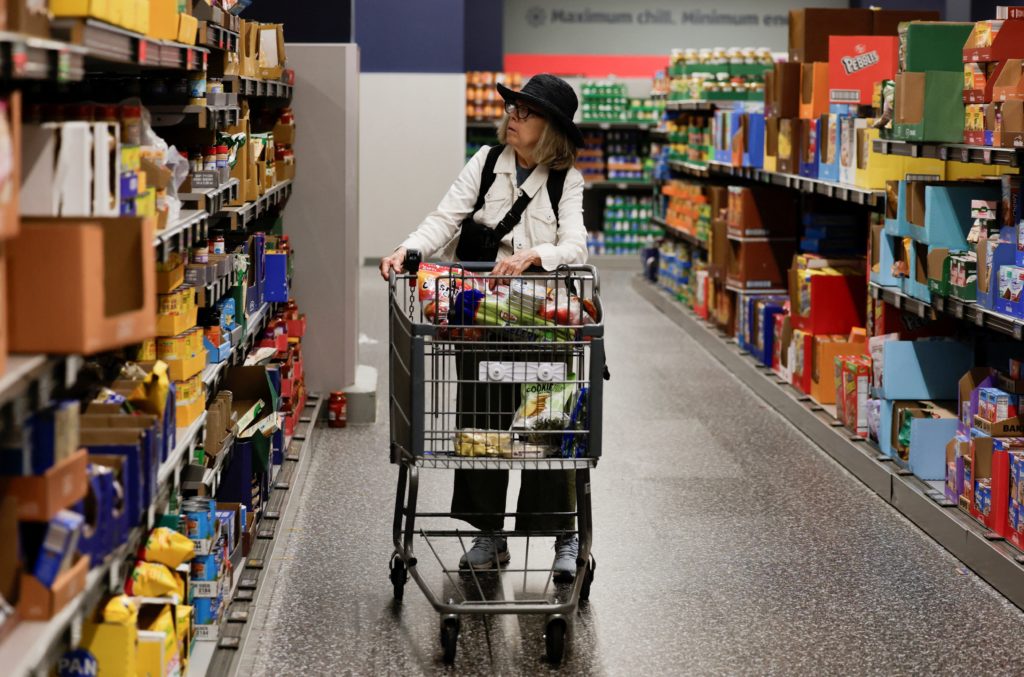
High gas prices are driving inflation and consuming a larger share of Americans' incomes, yet they continue to spend, fueling economic growth at least for the moment. Recent data revealed that wholesale inflation surged to levels not seen since 2022, with food prices climbing notably. Despite this, consumers are still investing, contributing to robust U.S. economic growth.
Workers enjoy a high level of job security despite occasional layoffs, which likely encourages spending despite widespread pessimism about the economy. Many Americans feel frustrated but continue spending. Wholesale prices jumped 6.3% in September from a year earlier, mainly due to a 20% increase in gas prices. High transportation costs from diesel have contributed to rising food prices, with food costs increasing 1.2% from August to September.
Despite higher costs, retail sales rose by 0.8% from August, with gas stations experiencing a 6.4% surge in spending. Even with low unemployment and few job cuts, consumers are likely to keep spending cautiously, relying on savings and credit if necessary. However, economists warn that persistent high inflation could gradually diminish consumers' purchasing power and negatively impact the economy.
The Federal Reserve is expected to raise interest rates to curb inflation, which may lead to higher borrowing costs for mortgages, loans, and credit cards.
Written by urgent.news from PBS NewsHour's reporting — not their text. Machine-written — may contain errors; check the original before relying on it.