How Israel chooses its Prime Minister, and how Kenya’s system differs
NAIROBI, Kenya, Oct 15 — Israeli diplomats in Nairobi are casting their ballots ahead of the October 27 parliamentary elections, offering a glimpse into a political system where the prime…
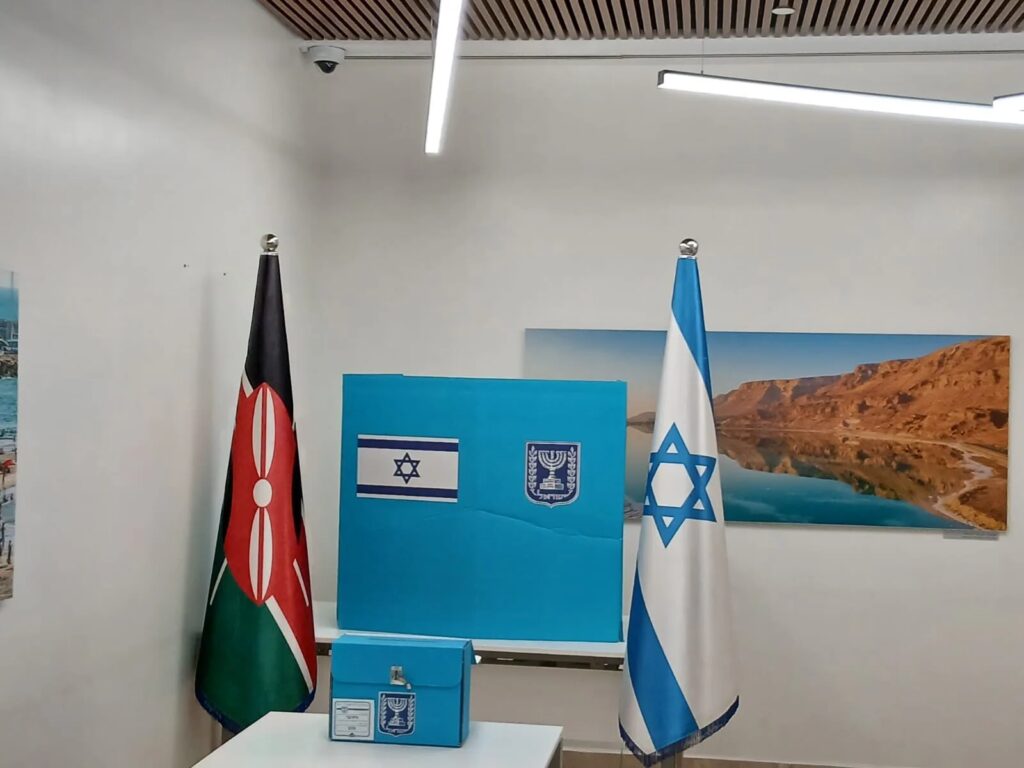
Nairobi, Kenya — Israeli diplomats in the Kenyan capital are participating in the country's upcoming parliamentary elections on October 27, providing insight into the country's unique political process. Israel's system for selecting a prime minister differs significantly from Kenya's direct presidential election.
In Israel, voters select political parties to represent them in the Knesset, the country's 120-member parliament. The parliament's composition then determines which parties can negotiate to form a coalition government and select the prime minister. Unlike in Kenya, where the president is elected directly by voters, Israeli diplomats explain that it is the parties that directly elect the prime minister through coalition negotiations.
The Israeli parliamentary election on October 27 will feature 38 competing parties, with security, the economy, and citizens' welfare among key issues for voters. After the election results are announced, parties negotiate to form a coalition capable of commanding at least 61 out of the 120 parliamentary seats. The Knesset's president appoints a member to attempt to form a government, typically choosing the candidate most likely to secure enough parliamentary support.
The proposed government must then win the Knesset's confidence, which means the party with the most votes does not automatically become the prime minister. Smaller parties can play a crucial role if their support helps a coalition reach the necessary majority.
Written by urgent.news from Capital FM Kenya's reporting — not their text. Machine-written — may contain errors; check the original before relying on it.