How a fuel crisis is threatening Bangladesh’s reform goals: ‘it hit our citizens hard’
Confronted by a fuel crisis beyond its control, Bangladesh’s government is spending hundreds of millions of dollars each month to insulate its people from surging prices. But as growth slows and inflation rises, the new government’s reform plans are being tested before it has had much time to clean up the country’s bad banks or retool its young, abundant – but underemployed – workforce for the AI…
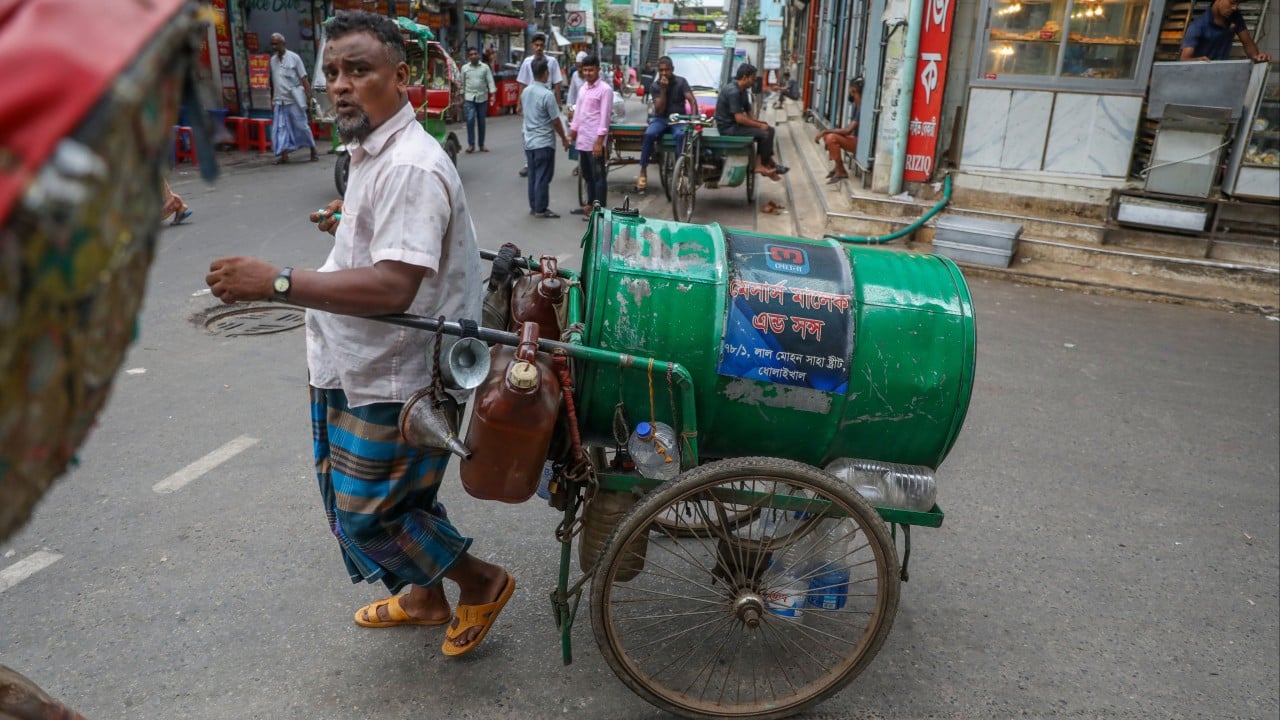
Bangladesh's new government is struggling to cope with the fallout of a fuel crisis and slowing economic growth. Prime Minister Tarique Rahman took office on February 17, inheriting a country that imported about 65 per cent of its energy needs last year. The sudden surge in fuel prices, triggered by geopolitical tensions, has resulted in power cuts, long petrol station queues, and a sharp rise in the cost of living.
An interim government had steered Bangladesh through the turbulent months following Sheikh Hasina's fall in 2024, but her critics accused her and her Awami League party of corruption and neglect. Since Rahman's swearing-in, the US and Israel attacked Iran, driving up oil and gas prices. The World Bank, Asian Development Bank, and IMF have provided financial assistance to help Bangladesh manage the energy costs.
However, the IMF recently lowered its growth projection for Bangladesh in 2027 to 3.2 per cent from 3.6 per cent, citing the adverse impact of the energy crisis on the country's development.
Written by urgent.news from South China Morning Post's reporting — not their text. Machine-written — may contain errors; check the original before relying on it.