Government Must Read The Economic Signals Well
Over the past few weeks, the government has released several economic data points, including GDP, inflation and the Consumer Price Index, while the central bank has, amid all this, raised the repo rate to rein in inflation. Taken together, these figures make it clear that our economy is not as healthy as it is made out to be and is facing a more difficult policy trade-off: how to protect growth…
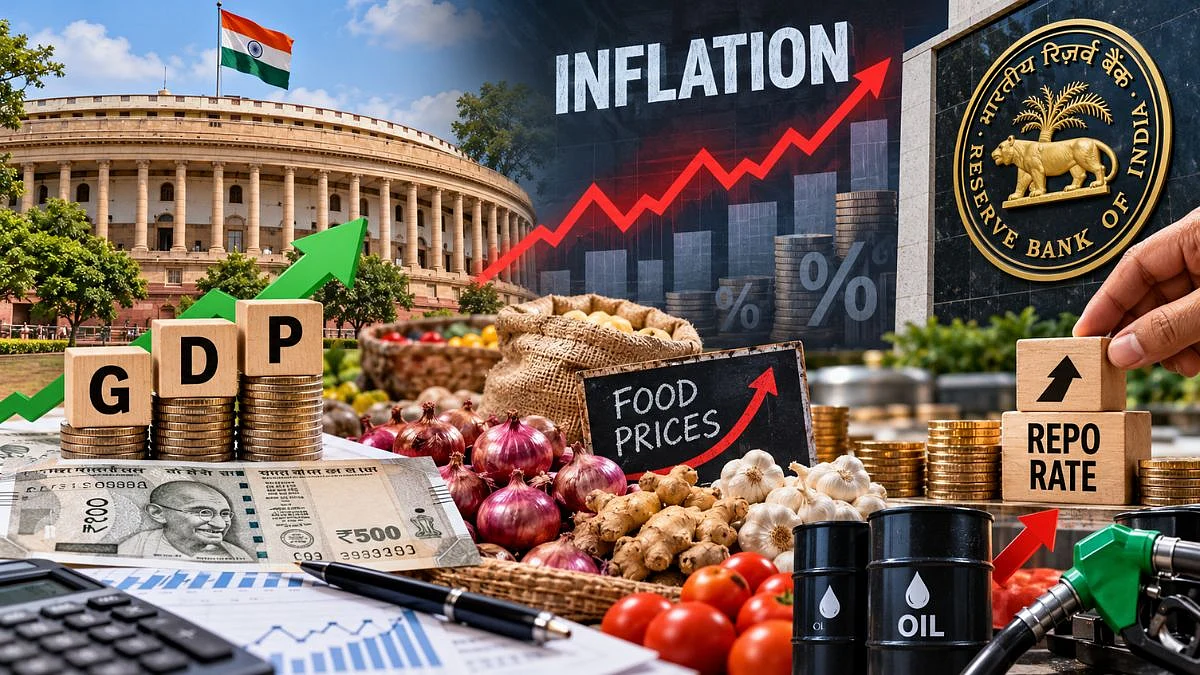
In recent weeks, the government has shared several economic indicators, including GDP, inflation, and the Consumer Price Index. The central bank has also raised the repo rate to combat inflation. When considered together, these figures reveal that the economy is not as robust as portrayed and faces a challenging policy dilemma: how to foster growth while preventing inflation from becoming entrenched.
It's vital to interpret these numbers collectively rather than examining each separately. GDP growth indicates the pace of economic expansion, while inflation illustrates how rising prices impact households and businesses. The repo rate, on the other hand, reflects the central bank’s efforts to curb price pressures without significantly harming economic activity.
India's retail inflation surged to 5.54 percent in September, up from 4.83 percent in August, the highest since October 2024 under the current Consumer Price Index series, and above the Reserve Bank of India's (RBI) 4 percent medium-term target for four consecutive months. This inflation rate is concerning as it nears the upper tolerance limit of 6 percent, prompting the RBI to be deeply concerned.
The RBI's focus should now be on determining whether inflation is driven by supply disruptions or excessive demand. Food inflation has been a significant concern, rising to 7.74 percent in September from 5.97 percent in August, indicating a sharp increase in the prices of essential items such as onions, ginger, and garlic. Additionally, a deficient monsoon, which was 13 percent below average and the weakest in over a decade, and rising crude oil prices present further challenges for the economy, which relies on imports for nearly 90 percent of its energy needs.
Core inflation, which excludes fluctuating food and fuel prices, also rose to 4.6 percent in September from 4.16 percent in August. This increase is noteworthy because it may indicate that price pressures are spreading beyond food and fuel. If businesses pass on higher input costs to consumers, inflation could become more persistent, making it harder for the RBI to return it to its target.
The RBI has already acted by raising the repo rate by 25 basis points to 5.5 percent in October, aiming to control inflation, and is expected to further increase it. However, it remains to be seen whether this will result in a substantial decrease in inflation. Monetary policy primarily affects borrowing costs and spending, but it cannot control rainfall, vegetable supplies, or fuel prices.
The recent inflation data serves as a warning to the government, and it must take decisive action if necessary and maintain transparency with its citizens.
Written by urgent.news from Free Press Journal's reporting — not their text. Machine-written — may contain errors; check the original before relying on it.