Giant Taiwanese chipmaker TSMC confirms it’s in talks with Elon Musk to join ‘Terafab’ complex in Texas: ‘The AI market continues to be very strong’
The chipmaker based in Hsinchu, Taiwan, recently has explored expanding its capacity outside of Arizona and Texas is among the options under consideration.
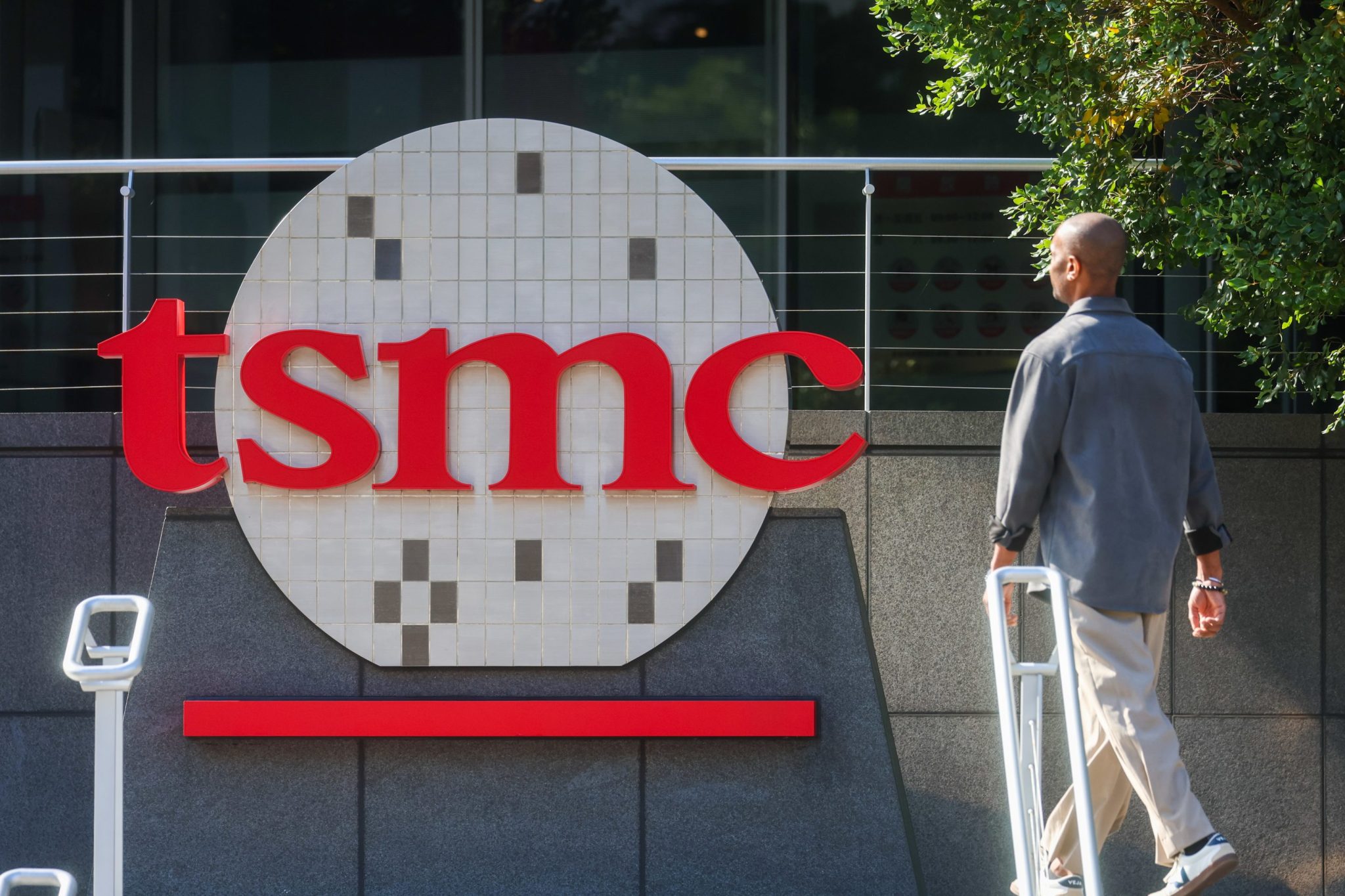
Taiwan Semiconductor Manufacturing Co. (TSMC) is actively exploring potential investments in Texas to expand its chip production in the United States, according to a company statement following a record profit quarter driven by strong artificial intelligence demand. During an earnings conference, TSMC's chairman and CEO, C.C. Wei, confirmed that the company is open to collaborating with Elon Musk's planned "Terafab" chip manufacturing complex in Texas.
TSMC, which is responsible for producing over 90% of the world's most advanced chips, supplies to U.S. tech giants like Nvidia and Apple and has pledged $265 billion in investments for plants in Arizona, including $100 billion committed in July. The company's earnings results for the July-September quarter have been hailed as a barometer for global AI development, with TSMC reporting a record net profit of 763.1 billion new Taiwan dollars (around $24 billion), marking a 69% increase from the previous year.
TSMC's CEO noted that the AI market remains robust, with demand persistently exceeding the company's current supply capabilities. TSMC is currently evaluating expansion plans beyond Arizona and has confirmed ongoing discussions regarding a potential role in the Texas-based "Terafab" project, although Musk has stated that TSMC would likely only sublease part of the facility.
TSMC has allocated a substantial $60 billion to $64 billion budget for annual capital expenditures this year, reflecting a significant increase from previous estimates. However, the company has cautioned about potential macroeconomic challenges, including rising component prices and global economic uncertainties, which may impact business planning for 2027.
Written by urgent.news from Fortune's reporting — not their text. Machine-written — may contain errors; check the original before relying on it.