Galamsey is an economic, health and moral problem – Sam Jonah
Business leader Sir Sam Jonah has described illegal mining, popularly known as galamsey, as an economic, health and moral problem, warning that the pursuit of wealth without responsibility is damaging Ghana’s natural resources. He said discussions about sustainability must confront the effects of illegal mining on rivers, forests and farmland. “Rivers that fed our grandparents now run the colour…
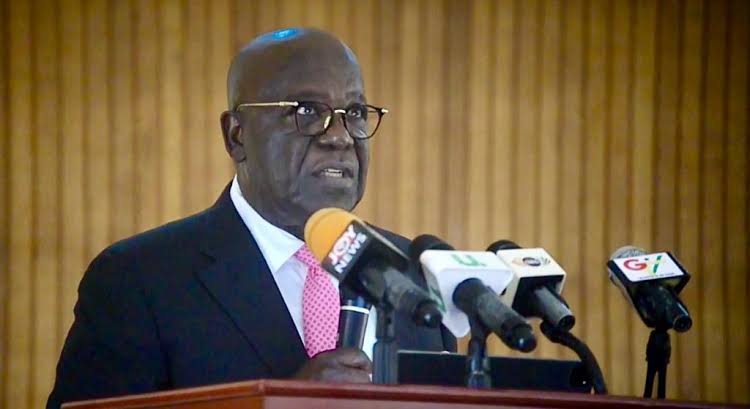
Renowned business figure Sir Sam Jonah recently addressed the issue of illegal mining, colloquially known as galamsey, at a conference hosted by Methodist University Ghana. Jonah, a prominent figure in the mining industry, described galamsey as a multifaceted problem affecting Ghana economically, environmentally, and morally. He warned that the pursuit of wealth without regard for responsibility is causing irreversible damage to the nation's natural assets, such as rivers, forests, and farmlands.
Jonah emphasized that discussions on sustainability must consider the impacts of illegal mining on these resources, noting that rivers once teeming with life now run "the color of chocolate milk."
Drawing on his extensive experience in the mining sector, Jonah urged mining companies and individuals to think about the consequences of their actions post-extraction. He questioned whether mining activities would leave behind a community with damaged land and polluted waterways or with tangible benefits like schools, skills, infrastructure, and businesses. Jonah categorized the issue as more than an environmental concern—it is also an economic and health crisis, and ultimately, a moral dilemma.
Jonah stressed that sustainability should dictate the management of public funds and human resources. He criticized the misuse of borrowed money for personal consumption rather than investment and highlighted abandoned public projects as examples of poor management. He argued that these unfinished projects represent a waste of resources, especially when new projects are initiated without completing existing ones.
Furthermore, Jonah expressed concern over the lack of opportunities for skilled young people, advocating for a sustainable Africa that enables its talent to contribute domestically. To enhance accountability in both environmental and public sectors, Jonah proposed leveraging digital tools. He mentioned satellite data as a mechanism for monitoring illegal mining, digital land registries for resolving long-standing land disputes, and digital public procurement systems to ensure transparency in how public funds are allocated.
"The technology exists," he said, "but what we need is the will to utilize it, even when transparency may be uncomfortable for those in power." Jonah's speech underscored the importance of responsible resource management and ethical leadership, arguing that economic gains should never surpass the well-being of communities and future generations.
He called for a balance between enterprise and innovation and the steadfast responsibility towards the environment, public resources, and society.
Written by urgent.news from MyJoyOnline Ghana's reporting — not their text. Machine-written — may contain errors; check the original before relying on it.