From Campaign Propaganda to Gov’t Accountability: When the message-makers demand a seat at the table
The campaign is over, the votes have been counted, and power has changed hands. But what happens when the very voices that helped sell a political message begin demanding answers from the government they helped bring to power? Ghana may be witnessing one of the most fascinating consequences of modern political communication: the struggle between […]
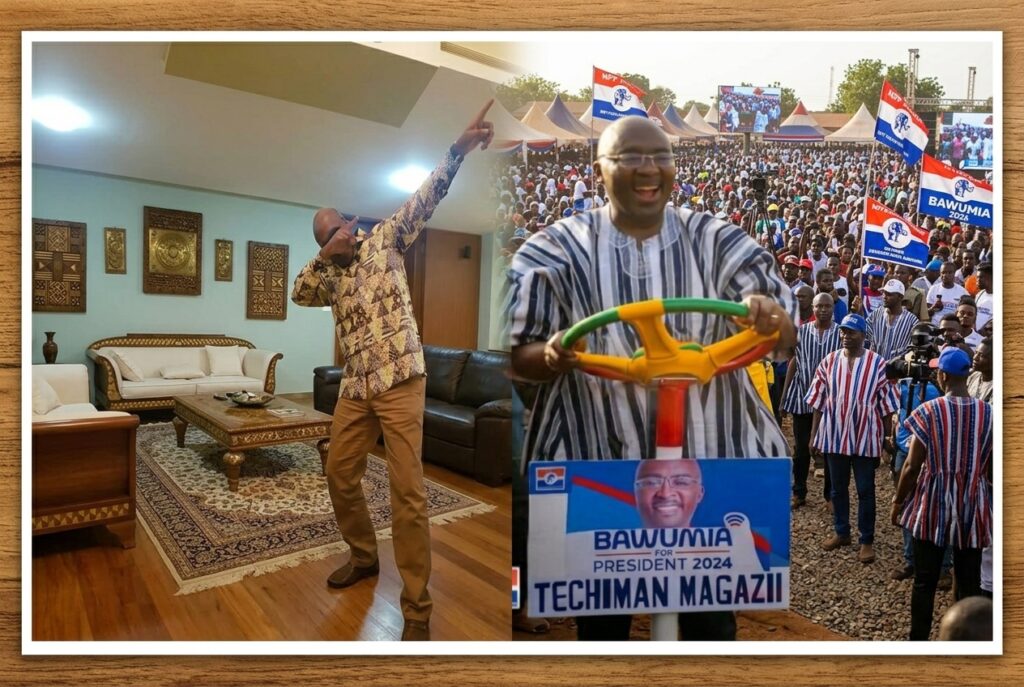
In Ghana's 2024 elections, the campaign rhetoric of the National Democratic Congress (NDC) and the New Patriotic Party (NPP) shaped public opinion and expectations. NDC candidate John Dramani Mahama's slogan, "NDC, no turning back," contrasted with NPP candidate Dr Mahamudu Bawumia's metaphor of a "driver seeking the keys to lead Ghana forward." Both candidates heavily utilized social media to reach voters, with Mahama declared the winner and Bawumia conceding defeat.
However, the campaign's end did not immediately end the influence of those who helped shape the message. Edward L. Bernays, a pioneer in public relations, observed that those who influence public opinion can become an "invisible government" as they shape how people think and respond to issues. This concept can be applied to the Ghanaian elections, as NDC communicators and activists criticized the NPP's performance, addressing economic hardship, public confidence, accountability, and the country's future.
While campaign promises like Mahama's proposal for boreholes on cocoa farms and a 24-hour economy must be measured against actual government delivery, citizen journalists, bloggers, and content creators play a crucial role in holding the government accountable. They can document project progress, interview affected citizens, and scrutinize claims made during the campaign, transforming rhetoric into public accountability.
The change from campaign propagandists to government accountability advocates presents a challenge. Political activists who have campaigned for a candidate may expect access, influence, or recognition in the new administration. Similarly, supporters and critics alike should demand answers once the votes are counted, as campaign rhetoric and government administration have distinct responsibilities.
The relationship between those who helped shape the political message and the governing body must evolve beyond the election period.
Written by urgent.news from MyJoyOnline Ghana's reporting — not their text. Machine-written — may contain errors; check the original before relying on it.