Expert explains why Russia is now collecting videos of Shahed drone strikes
Ukrainian technology expert and freelance presidential adviser Serhii “Flash” Beskrestnov urged Ukrainians not to film or publish videos of Russian Shahed drone strikes, saying in a Facebook post on Oct. 15 that the enemy may use such footage to analyze optical target-recognition and guidance systems.
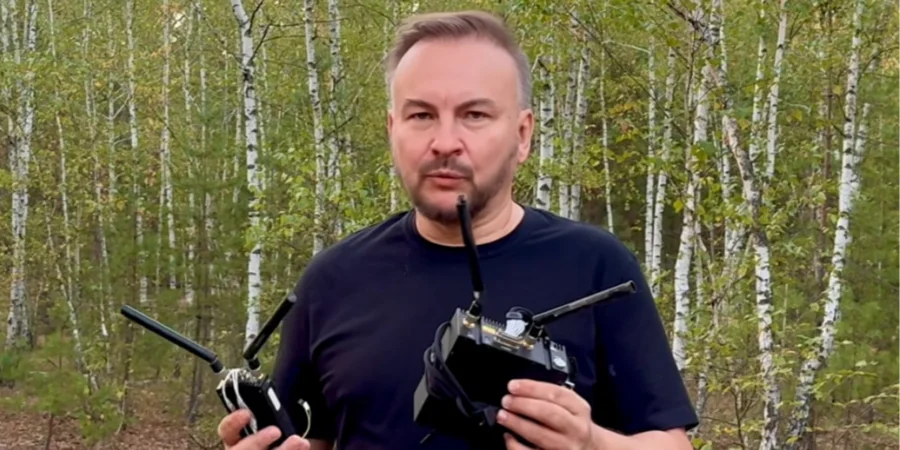
Ukrainian technology expert Serhii "Flash" Beskrestnov has cautioned Ukrainians against filming or sharing videos of Russian Shahed drone strikes, stating that the enemy may exploit such footage to analyze optical target-recognition and guidance systems. Russian Telegram channels have reportedly offered rewards for videos of Shahed strikes, indicating a growing interest in studying how those algorithms function in real combat scenarios.
Flash noted that Russia, which had not solicited such videos for four years, has suddenly placed significant importance on them. He suggested that Russia is utilizing footage of drone impacts to examine the performance of optical recognition and targeting algorithms on the battlefield. Ukrainians should refrain from filming or publishing videos of Shahed drone impacts, as this material is valuable to the enemy, according to Flash.
On Oct. 14, he also mentioned that Russia was testing jet-powered drones for attacks on western Ukrainian regions. Russian jet-powered drones had previously reached Lviv and Lutsk, with a flight distance record of 960 kilometers in August. Over the past few days, Russia has launched jet-powered drones from Crimea toward western Ukraine, with some reaching Lutsk.
In October, Russia continued to employ jet-powered drones extensively, attacking Ukraine with 116 strike drones, 95 of which were jet-powered, on Oct. 11.
Written by urgent.news from New Voice of Ukraine's reporting — not their text. Machine-written — may contain errors; check the original before relying on it.