EU summit to focus on China, Ukraine and bloc budget
EU leaders meeting in Brussels will examine measures to curb the bloc's huge trade deficit with China. But they will also be looking to further agreement on the next EU budget ahead of some major elections next year.

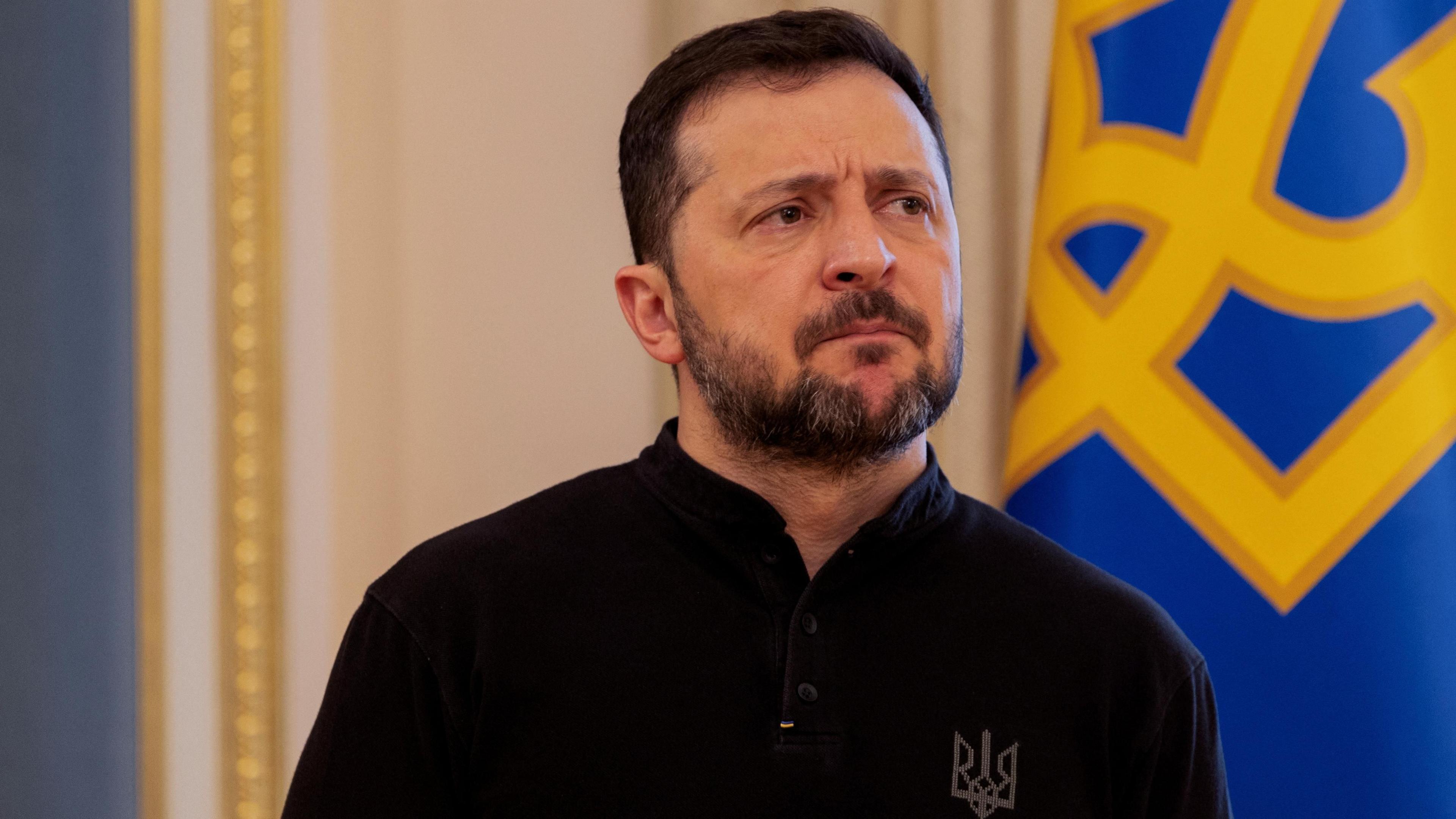
European Union heads of state will convene in Brussels for two days of deliberations focused on pivotal economic issues, including competition from China and the bloc's budget for 2028-2034. The discussions will also entail further assistance for Ukraine amid Russia's ongoing invasion, with President Volodymyr Zelenskyy scheduled to participate.
A primary concern is the EU's substantial trade deficit with China, which soared to €360 billion ($400.4 billion) last year and is expected to surpass that figure this year. This disparity stems from accusations of unfair economic practices by the EU, citing China's state subsidies that distort the competitive landscape. Industry bodies argue that such subsidies contribute to factory closures across the EU.
German Chancellor Friedrich Merz and French President Emmanuel Macron have advocated for new EU measures to address any market-distorting actions. Additionally, soaring energy costs within the bloc pose a further challenge to the region's competitiveness. The bloc's extended seven-year budget, set to run from 2028 to 2034, is also a contentious topic, with unanimous approval required.
While leaders may not achieve a breakthrough, they aim to reach a compromise by year-end. The urgency to finalize the budget intensifies as elections loom in several member states, potentially complicating the process further. The EU's attention will shift to Ukraine on Friday, with President Zelenskyy attending to advocate for increased bloc support given Russia's intensified strikes ahead of winter, resulting in numerous civilian casualties.
The US, under President Donald Trump, remains equivocal regarding the conflict, evident in a recent agreement enabling Russian diesel fuel imports amidst sanctions. Trump has also called for Zelenskyy's replacement.
Written by urgent.news from DW English (Top Stories)'s reporting — not their text. Machine-written — may contain errors; check the original before relying on it.