Einzelhandel: Die wechselnden Eigner wurden „sehr reich“: Wie Investoren Galeria jahrelang ausnahmen
Was heute Galeria heißt, waren mal gut 300 Kaufhäuser mit mehr als 160.000 Beschäftigten. Dann kamen Eigentümer, die statt dem Handel mit Waren ein ganz anderes Geschäft im Sinn hatten.
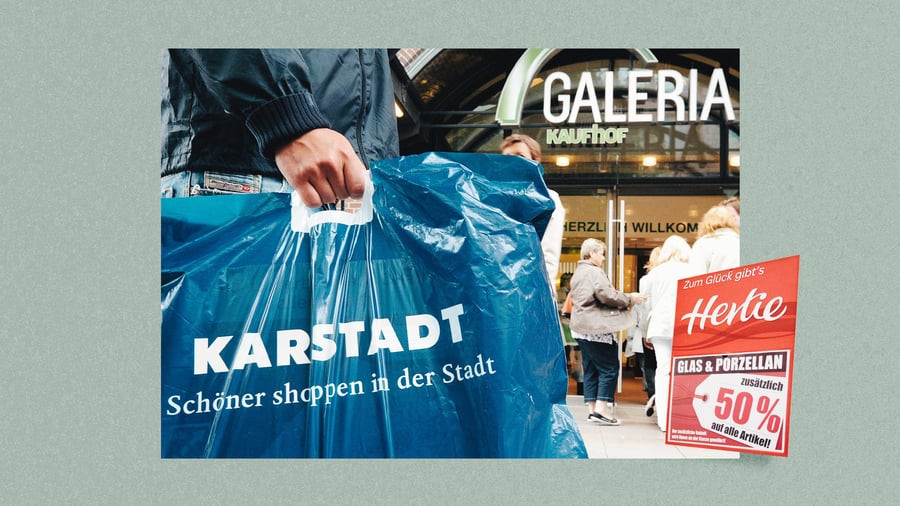
The end-of-year rush for Karstadt and Kaufhof was always the season's crowning achievement, drawing families to their window displays. In the final three months of the year, these department stores accounted for nearly half of their annual sales and a significant portion of their profits. However, this may not be enough to save the insolvent company, now known as Galeria.
Even the provision of employee insolvency payments likely only prolongs the company's suffering. The crisis has progressed to the point where most of the company's inventory no longer belongs to the retailer. For example, shelves displaying Fynch Hatton shirts and Fissler pans are cordoned off with red and white tape, with signs indicating that certain brands are temporarily unavailable.
Many suppliers have given the manufacturer a property interest in their goods, making up nearly half of the inventory. The rest of the stock has been taken over by Gordon Brothers as security for a multimillion-pound loan. Only nine percent of the revenues go to the insolvency administrator according to insolvency law, and the rest can be controlled by Gordon Brothers.
With the once-great single-store retailer now referred to as Galeria, there is little left of its substance. Only the Freiburg facility remains in the company's ownership, which also operates under a separate entity. The company now employs just 12,000 people, compared to over 160,000 who worked for Karstadt and Kaufhof combined during their golden years. How did this decline come about?
Written by urgent.news from Handelsblatt's reporting — not their text. Machine-written — may contain errors; check the original before relying on it.
This story
This is one outlet's version. Read the fullest account.