Commentary: This is an era of Davids, not Goliaths
What explains the agonies of Goliath? How is it that apparent titans so often fail to get their way? Janan Ganesh from the Financial Times weighs in.
What causes the anguish of Goliath? How do seemingly dominant powers often fail to achieve their goals? Janan Ganesh from the Financial Times explores this phenomenon. In London, Western bankers are uncertain whether to attend Saudi Arabia's annual Future Investment Initiative, due to recent deadly airport attacks. The debate reflects general apprehension over FII.
The persistent inability of the kingdom and its allied states to contain the Houthis, a rebel group, is notable. However, this is also in line with a global era of upsets. Ukraine has resisted Russia's invasion for nearly five years, despite being smaller and lacking nuclear capabilities. The United States is experiencing a loss of prestige in Iran, which was expected to surrender to bombardment by now.
The U.S. forward bases in the Gulf have become potential targets, not just imperial assets. In 2022, France abandoned its counterinsurgent mission in the Sahel after a decade of effort, leading to a self-deprecating term for Francafrique. In the last century, it was surprising when two empires fell to less powerful Vietnamese forces.
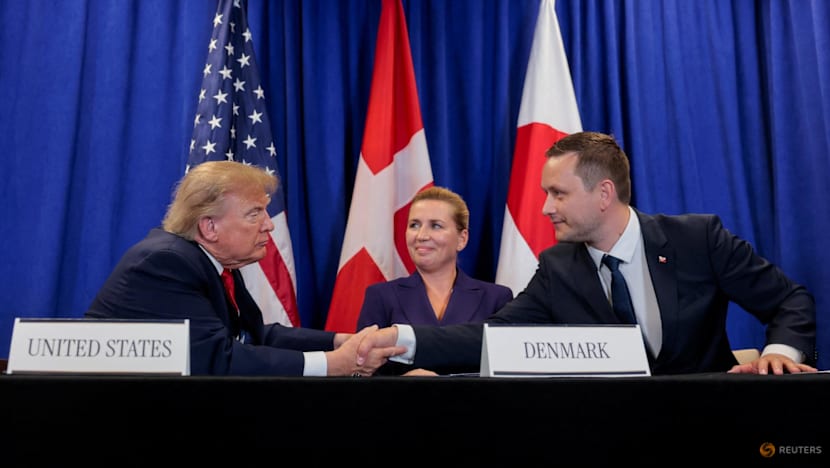
In the current century, marked by Iraq and Afghanistan debacles, such victories by smaller forces are becoming commonplace. While these upheavals may be attributed to technological advancements, such as cheaper lethal equipment, the same pattern of lesser actors defeating greater ones is seen in the diplomatic realm as well. Recently, America signed a deal with Denmark over Greenland that was not as favorable as former President Trump had hoped.
A more restrained leader might have secured the same terms with minimal controversy. During the pandemic, Australia called for a global inquiry into the COVID-19 origin, leading to Chinese retaliation with tariffs. Despite being smaller than metropolitan Chongqing, Australia did not capitulate and preserved its 5G network. Over time, this episode will likely serve as a source of moral encouragement and tactical guidance for middle powers.
The key to Goliath's struggles lies in their limited leverage. While some actors lack control of straits, others possess essential businesses or specialized knowledge. Ukraine's technical expertise gained through years of conflict has provided support from other countries. The notion that "might is right" is flawed, as "might" is not solely defined by raw scale, such as armaments, GDP, or population.
Instead, much hard power is unusable due to excessive moral backlash. For instance, Trump's threat against Greenland would have been widely condemned. Even Vladimir Putin took four years to employ some of the brute methods currently seen in Ukraine. China's pressure on Australia was ultimately tempered by the potential loss of regional trust.
Middle powers have an advantage in the 2026 world due to their diverse leverage options. Apparent titans may not truly be dominant when compared to historical standards. The United States and China now have smaller shares of global output than they did after World War II. The world is less centralized, with nuclear monopoly not existing for almost 80 years.
Middle powers are becoming more prevalent, though many are illiberal. Superpowers may sometimes be overestimated due to the influence of technology. In the realm of tech, only two countries dominate: the United States and China. Being the third AI power is akin to being the third richest Gallagher brother. However, this technological advantage does not automatically translate to geopolitical dominance. Geopolitics remains fragmented and dynamic, requiring a broader perspective beyond AI.
Written by urgent.news from Channel News Asia's reporting — not their text. Machine-written — may contain errors; check the original before relying on it.