Colombia’s Cycling Faces Challenges After Nairo Quintana’s Retirement
Nairo Quintana’s retirement in October 2026 closes a chapter in Colombian cycling, but it also raises a difficult question: where will the country’s next generation of Grand Tour contenders come from? Colombia still produces talented riders, yet the system that once turned mountain climbers into international stars has struggled to provide the competition, funding and […]
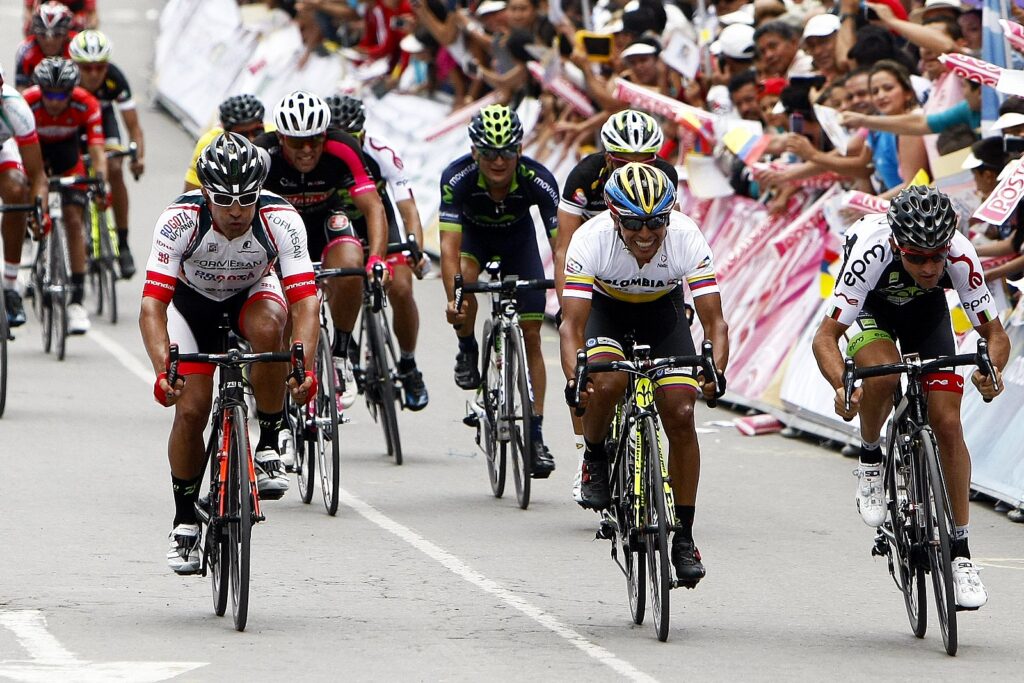
Colombia's cycling faces challenges after Nairo Quintana's retirement in October 2026, leaving the country to question where the next generation of Grand Tour contenders will come from. While the nation still produces talented riders, the system that transformed mountain climbers into international stars has struggled to provide the necessary competition, funding, and European experience to maintain success.
This is evident in the current WorldTour team composition, as ProCyclingStats lists 12 Colombian men for 2026, down from 16 in 2024. Moreover, Colombia has lost two consecutive Tour Colombia editions due to insufficient funding. These statistics highlight a development pathway under pressure. From the 1980s, Colombian riders began making their mark in European races, with Luis "Lucho" Herrera winning the Vuelta a España and its mountains classification in 1987.
Fabio Parra followed, winning the Tour de France mountains classification in 2000 and becoming world champion in the individual time trial in 2002. Santiago Botero added another milestone by winning the Tour de France mountains classification in 2000 and becoming world champion in the individual time trial in 2002. Domestic racing provided a foundation for these achievements, with the Vuelta a Colombia and Clasico RCN offering demanding stage races.
The Vuelta del Porvenir and Vuelta de la Juventud gave younger cyclists opportunities to develop and gain attention. However, the pathway requires more than climbing ability; teams need sponsors, directors, and resources to travel. The golden era between 2013 and 2019 saw Colombian cyclists reach their most successful period in Grand Tour racing, with Quintana, Uran, and Bernal achieving significant milestones.
Colombian development projects, such as Colombia es Pasion and Manzana Postobon, helped connect talent with international opportunities. Nevertheless, the golden era has created expectations that are difficult to maintain, as individual champions cannot replace a development system. The current challenge lies in sustaining the conditions that produced these champions, particularly in providing young riders with consistent competition and support beyond their junior careers.
Written by urgent.news from Colombia One's reporting — not their text. Machine-written — may contain errors; check the original before relying on it.