Chevron CEO warns oil buffers that cushioned the Iran war shock have been ‘drained’—and diesel relief may not come until 2027
Mike Wirth says commercial stockpiles, emergency reserves, and once-sanctioned barrels have all been tapped, leaving the global energy system more exposed just weeks before the midterms.
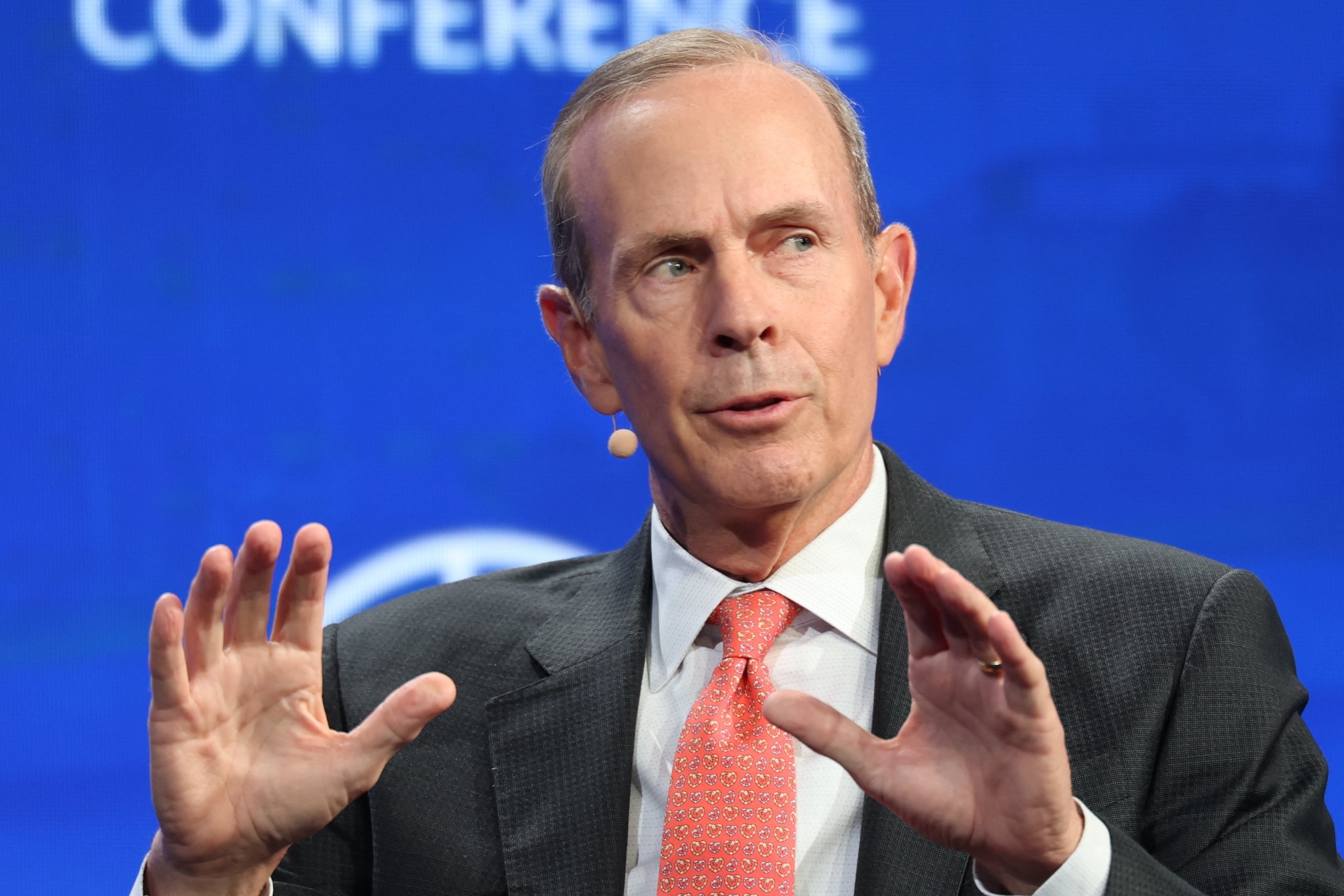
Chevron CEO Mike Wirth has warned that the world's buffers against the Iran war supply shock have been "drained," leaving the system more vulnerable to disruption. The company and its competitors have drawn down commercial inventories, released emergency stocks, and allowed sanctioned barrels to reach buyers. Diesel, used in trucks, trains, and farm equipment, is the most acute area of shortage, with U.S. average prices hitting a record $6.53 a gallon on September 22, up from around $3.76 before the war began in late February.
The International Energy Agency predicts that the diesel market will remain tight through 2027, and global oil supply will fall by an average of 5.8 million barrels a day this year, falling 100.7 million barrels a day by the end of 2027. High prices are expected to cut global oil demand by 2.6 million barrels a day in 2026, with diesel accounting for around a quarter of the decline.
Despite President Trump's attempts to alleviate the crisis, such as a ban on U.S. diesel exports and a waiver for Russian diesel, there are few remaining levers to increase supply. The situation is dire, with Wirth and the IEA highlighting the need for the Middle East to recover its fuel output to restore balance to the global market.
Written by urgent.news from Fortune's reporting — not their text. Machine-written — may contain errors; check the original before relying on it.