Chasing China’s Monazite Monopoly
One of the singular features of Baotou, an industrial city of 2 million people in Inner Mongolia, is a 10-square-kilometer (4-square-mile) lake that is among the most polluted in the world. The artificial lake, referred to by the name of the dam associated with it, Weikuang Dam (or Baogang Tailings Dam), has for decades collected the effluent from minerals processing for China’s globally dominant…
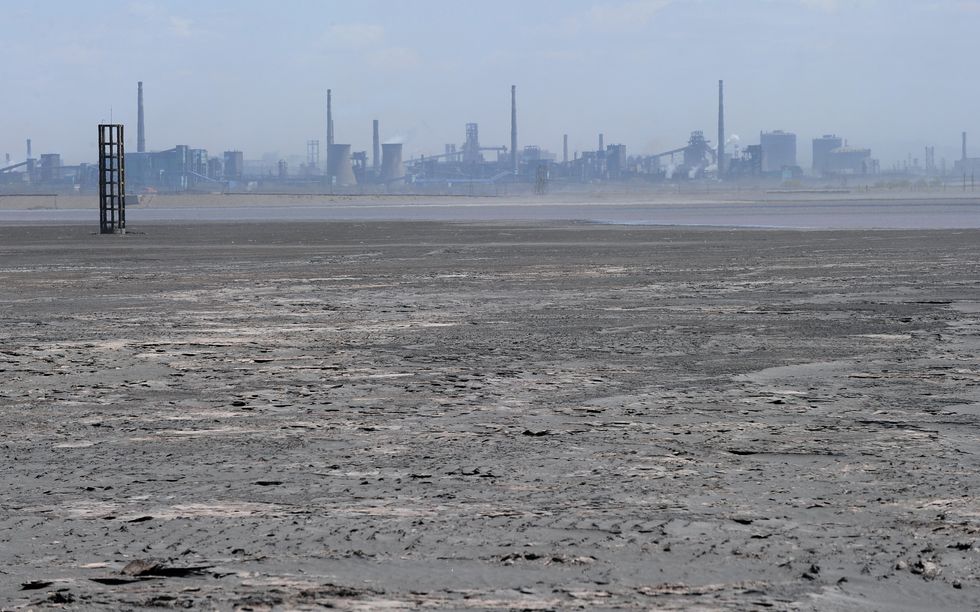
Baotou, a city of 2 million people in Inner Mongolia, is home to the world's most polluted artificial lake, Weikuang Dam. For decades, the lake has absorbed waste from China's iron, steel, and rare-earths industries. Weikuang Dam, built in the late 1950s, is filled with toxic chemicals, including radioactive thorium, mainly due to monazite ore processing.
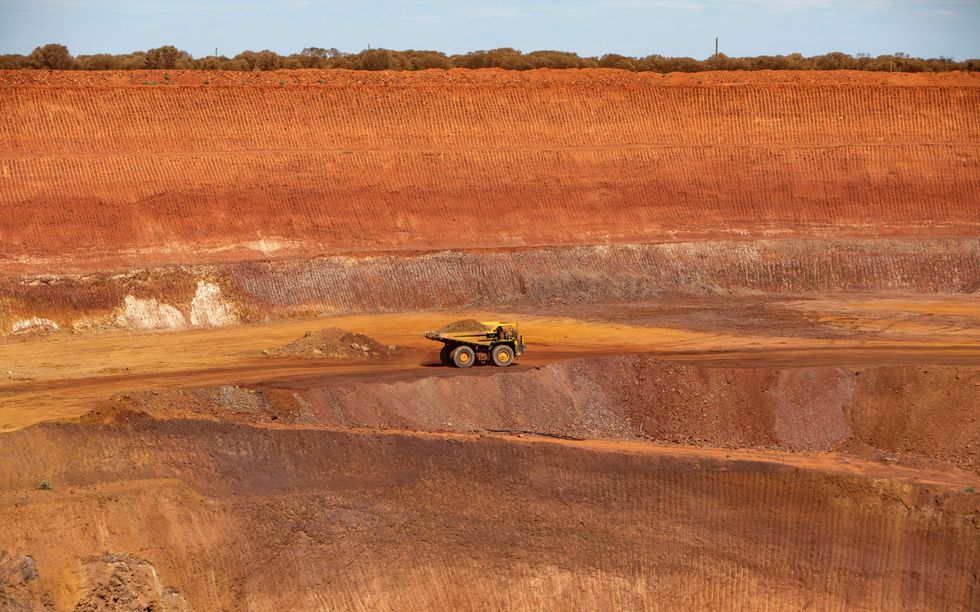
China has recently tightened environmental regulations, preventing stand-alone monazite mines. Despite this, China remains a key player in the rare-earths industry, especially in monazite, which provides essential elements like dysprosium, terbium, yttrium, and erbium. The majority of China's monazite comes from the Bayan Obo complex, a 150-kilometer north of Baotou.
Bayan Obo also has the world's largest rare-earth deposit. Last year, Bayan Obo's ore produced 170,000 tonnes of rare-earth metals, with 30-40 percent of it being monazite. China imported over 70,000 tonnes of monazite in 2023, though some of this was shipped through uncontrolled channels. China's increased focus on securing rare-earth ores worldwide is due to recent supply losses and strategic reasons, as securing rights to foreign deposits and projects can make them unavailable to non-Chinese developers.
Written by urgent.news from IEEE Spectrum's reporting — not their text. Machine-written — may contain errors; check the original before relying on it.