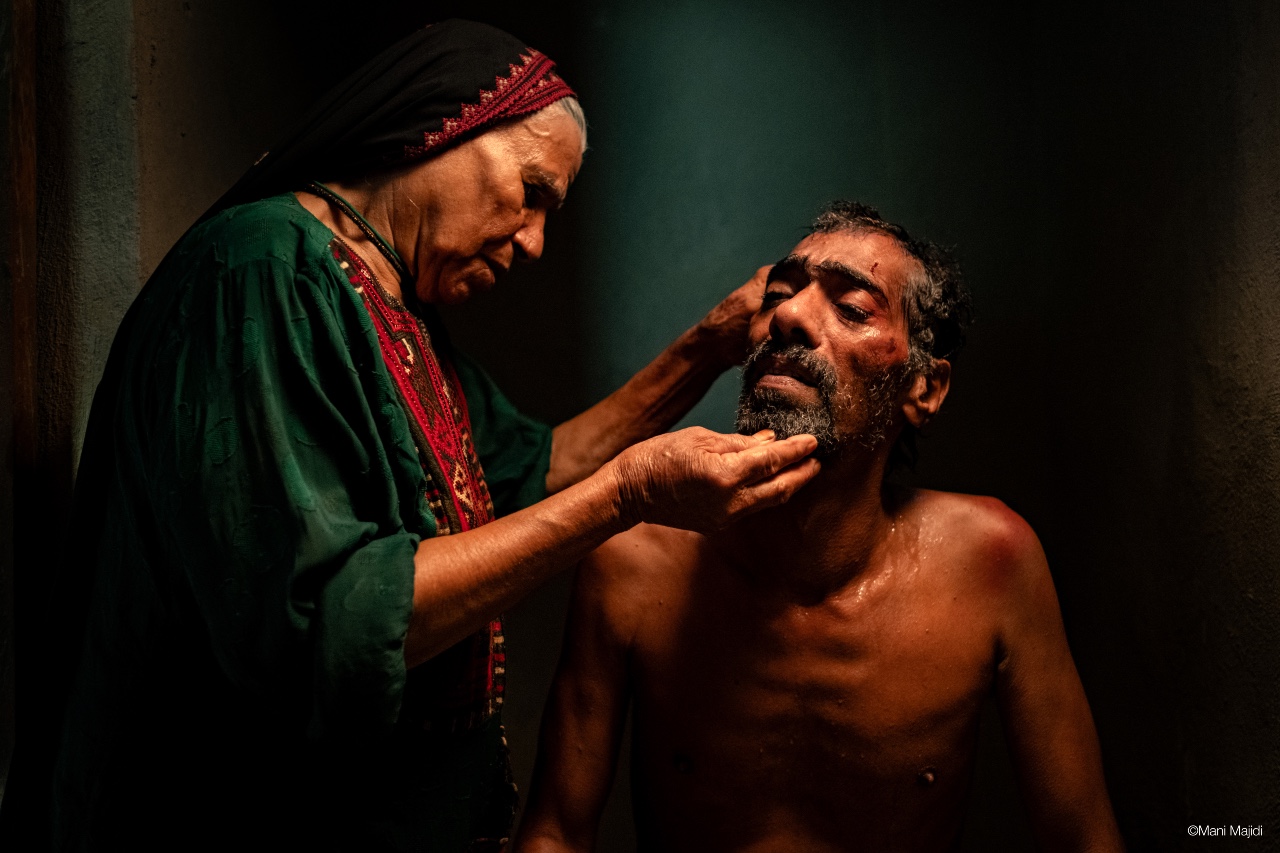
Can a strand from natural wig found in crime scene lead to trouble for donor
Donated hair found at crime scenes poses challenges in linking donors to criminal activities due to scientific constraints. DNA testing from cut hair is typically ineffective, making traceability difficult. Investigators must establish a clear connection between the donor and the crime, which is often complex. Police may contact donors for information, but that does not imply guilt or accusation.
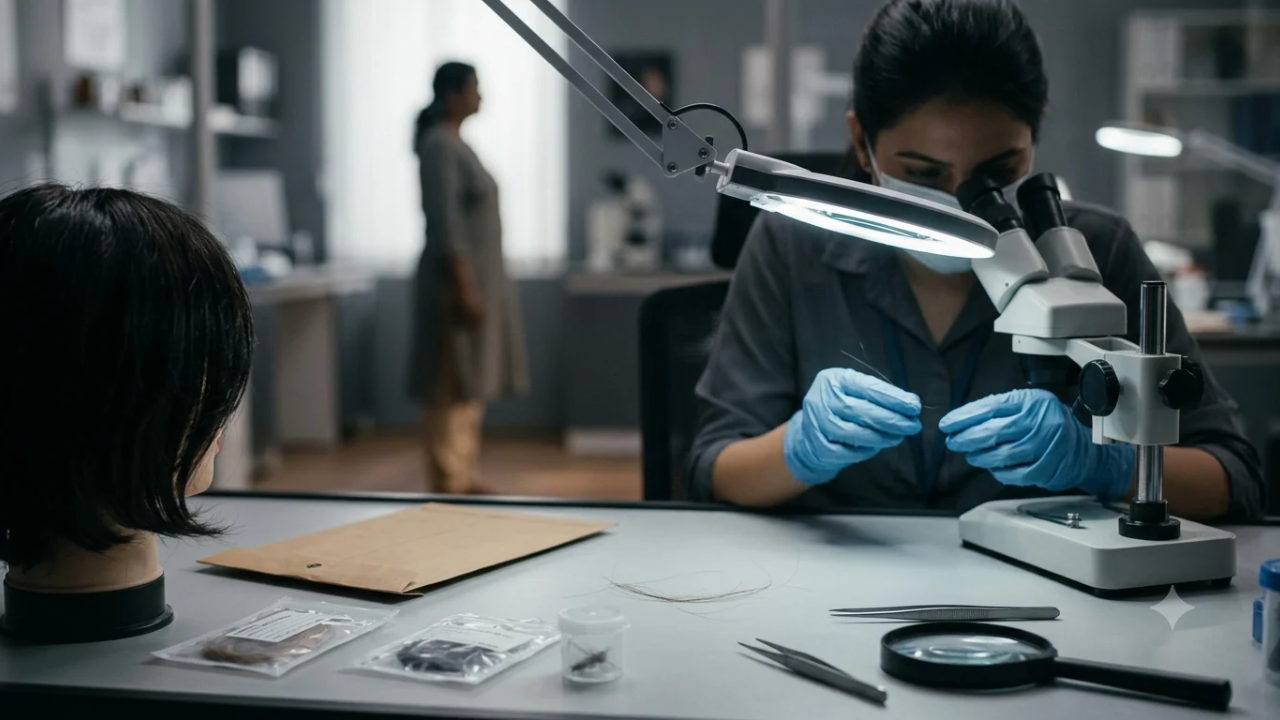
In India, the hair trade is a significant industry, particularly for producing wigs, especially for cancer patients. However, the question arises: if a strand of this donated hair is found at a crime scene, could the donor face legal trouble? The answer is generally no, as it is highly unlikely that the donor could be held responsible for an offense. Here is why and what the law says in such a situation.
The primary reason is the scientific challenge in tracing donated hair. DNA profiling requires specific conditions and materials to work effectively, and cut hair is not a reliable source. "We generally can’t get DNA from hair without a follicle," explained senior advocate Vivek Narayan Sharma. "Donated hair won't contain enough lingering DNA to be tested."
Microscopic comparison can only support other evidence and cannot identify an individual, and mitochondrial DNA, which is passed down the maternal line, only points to a lineage. Processing such as dyeing or bleaching further degrades the hair.
Furthermore, just because donated hair is found at a crime scene does not automatically place the donor there or link them to the offense. Investigators must consider how the hair arrived, the reliability of forensic identification, and whether there is independent evidence connecting the donor to the crime. A donor can only be treated as a suspect in a narrow sense, meaning their link needs to be checked.
The supply chain is crucial to this matter. Donated hair is processed, sold, pooled, treated, and often made into wigs, extensions, or hairpieces, passing through collectors, exporters, and manufacturers. The first line of inquiry should be the wearer, not the donor. If a DNA match is found, it only proves biological origin, and the strength of the conclusion depends on various factors like the sample, analysis method, collection, and handling.
Even if a DNA match is established, it does not automatically prove when, how, or why the material came to be at the scene. Police must show that the hair came from a particular donor and cannot reliably connect that donor to the offense. This is where Section 39 of the Bharatiya Sakshya Adhiniyam (BSA), 2023, comes into play. It recognizes expert opinions on scientific matters as relevant evidence but does not make them conclusive proof of guilt.
The Supreme Court's 2023 decision in the case of Rajesh v. State of Madhya Pradesh further emphasized that forensic evidence must be assessed alongside other material, and the circumstances surrounding the sample's collection are crucial.
When police contact a donor, it is typically not for arrest but for information. Under Section 179 of the Bharatiya Nagarik Suraksha Sanhita (BNSS), police can request the presence of a person acquainted with the case's facts, subject to statutory safeguards. Being called does not mean being accused. Donors should inquire about their role in the process, request written notice, and keep a lawyer informed.
The Constitution's Articles 21 and 22 protect personal liberty and the right to be informed of the grounds for arrest and to consult a lawyer. Section 58 of the BNSS requires arrestees to be produced before a magistrate within 24 hours.
Written by urgent.news from Times of India's reporting — not their text. Machine-written — may contain errors; check the original before relying on it.