Calls for stronger warnings on iron infusion risks
With the use of iron infusions on the rise in Australia, medical experts warn patients to be aware of a potentially serious side effect called hypophosphataemia.
Recent data reveals that the risk of hypophosphataemia, a dangerous condition caused by iron infusions, is increasing in Australia, especially among women of childbearing age. This complication, where blood phosphate levels drop dangerously low, can lead to severe symptoms like muscle weakness and heart palpitations. Despite this, many patients are not adequately warned about this risk before undergoing the procedure.
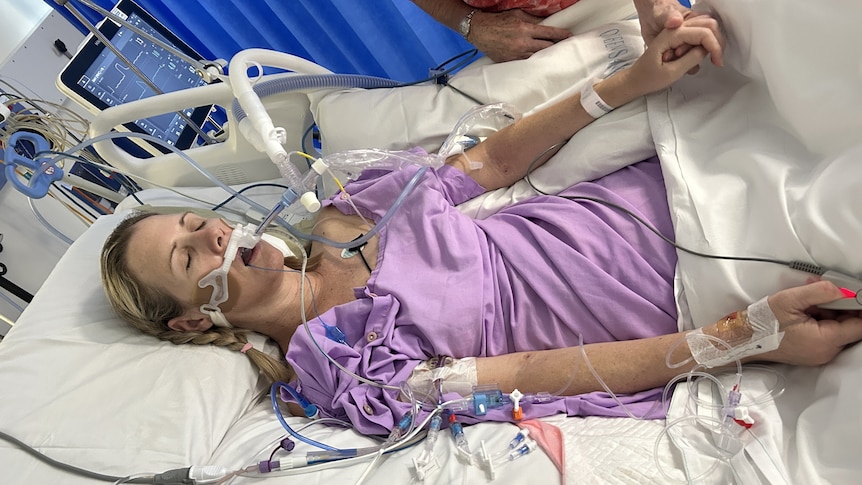
One such case is that of Kate Russell, a 46-year-old teacher who suffered severe hypophosphataemia after receiving an iron infusion, culminating in her being placed in an induced coma. She claims she was only informed about one risk: iron staining on her arm. Experts suggest that hypophosphataemia occurs due to the infusion's impact on the breakdown of a hormone, leading to increased phosphate excretion by the kidneys.
The US FDA recently issued a strong warning about this risk for ferric carboxymaltose, an iron preparation commonly used in Australia. The Therapeutic Goods Administration in Australia is evaluating this decision, but there is no guarantee it will follow suit. Medical professionals recommend discussing dietary changes or oral iron tablets with healthcare providers before opting for an iron infusion and checking phosphate levels before such treatments.
Written by urgent.news from ABC News AU's reporting — not their text. Machine-written — may contain errors; check the original before relying on it.