Brexit: „Jetzt ist der Moment“: Wirtschaft setzt auf EU-Rückkehr Großbritanniens
Premier Burnham treibt den Neustart mit der EU voran, während britische und deutsche Unternehmen laut einer Umfrage Investitionen zurückhalten. Ein Plan der EU könnte für Streit sorgen.
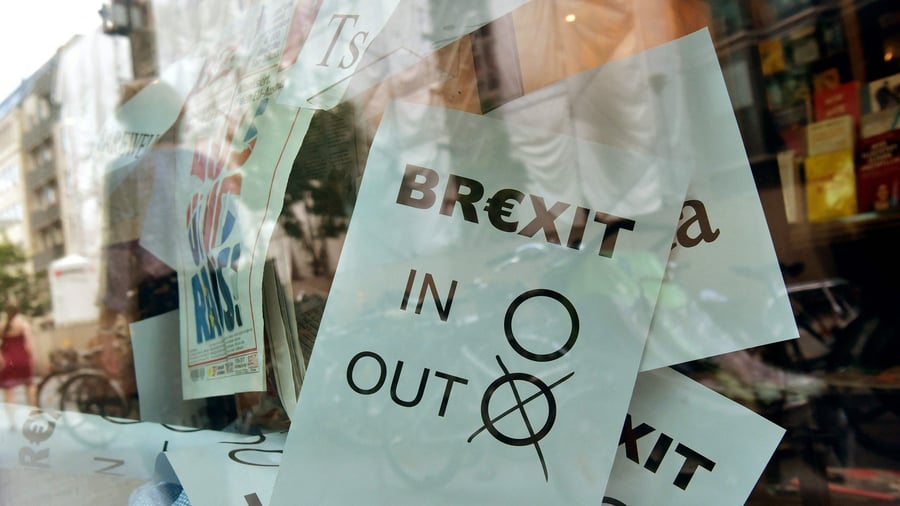
British and German businesses are delaying investments due to the uncertain future relationship between the United Kingdom and the European Union (EU), according to a survey conducted by the economic consultancy KPMG for the British Chamber of Commerce in Germany (BCCG). Nearly two-thirds of over 100 companies surveyed in both countries plan no new investments this year, and half have no investment plans for the next five years.
Should the UK return to the EU, 85% of firms believe this would positively affect their investment decisions. British Prime Minister Andy Burnham has called Brexit a mistake, urged a faster re-approach to European trading partners, and not ruled out renewed EU membership. Burnham stated that it would be a "violation of duty" to reject closer relations with the EU, if they could be negotiated.
Although Burnham's reigniting of the debate in Britain is right and important, BCCG President Michael Schmidt said, "Businesses need clarity, otherwise they won't invest." The political will alone is not enough; politics must also act. "Now is the time to achieve growth through approximation," Schmidt said. "Only when political approximation is felt in business will corporate optimism result in lasting growth."
Trade volume between Germany and the UK has dropped by more than a third since the Brexit referendum in 2016. A summit at the end of November will show whether progress is made in trade relations and how willing both sides are to approximate. The biggest sticking point is the EU's "Made in Europe" initiative, the industrial accelerator act (IAA), designed to protect European industry from cheap Chinese competition.
However, the IAA could also affect non-EU member Britain. Burnham urges to ensure British firms are not excluded from this initiative, as British car manufacturers would then lose access to EU subsidies for greener fleets and public procurement opportunities. Schmidt also points out that the initiative could disrupt important supply chains, such as the automotive industry where components often pass through the channel three or four times before being assembled.
The BCCG therefore urges to include Britain in the EU initiative. "Lack of a road map or new walls?" Andreas Glunz, International Business Vice-President at KPMG in Germany, described the situation as a "lack of roadmap test for politics." The question is whether there will be "clear road signs" for re-approximation or new walls will be erected.
Glunz reminded that 35% of surveyed businesses still saw political uncertainty in Britain as the biggest investment barrier. This concerns not only industrial policy uncertainties but also whether Britain will stick to the course of re-approximation or correct it, should an EU-skeptical government take power in London after the likely 2029 general elections.
Written by urgent.news from Handelsblatt's reporting — not their text. Machine-written — may contain errors; check the original before relying on it.