Bones from Iraqi cave hint at violence and compassion in Neanderthals
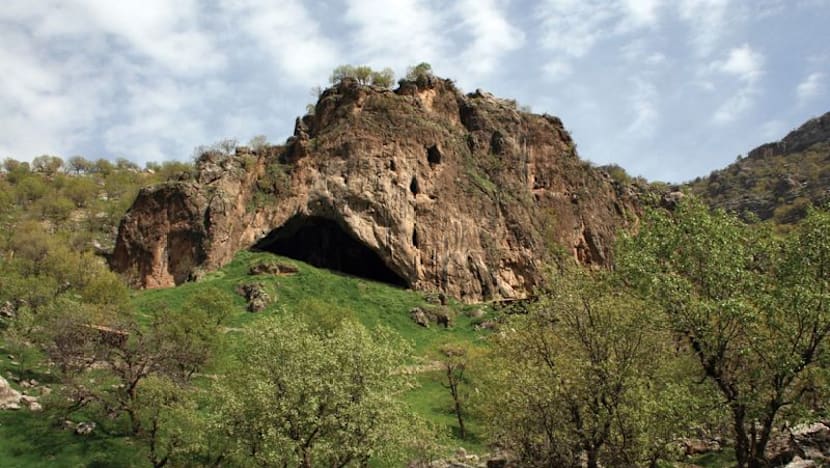
The bones of a Neanderthal, dubbed Shanidar A, unearthed from Shanidar Cave in Iraq's Kurdistan region, have revealed evidence of both violent and compassionate behavior among the Neanderthals. The mid-40s aged individual suffered a fatal spear injury to the left shoulder blade, likely caused by a forceful thrust from a sharpened wooden spear. This type of weapon was commonly used by Neanderthals for hunting large mammals, a primary food source.
Moreover, the Neanderthal also suffered a non-fatal injury to the face, resulting in broken teeth and difficulty in eating and drinking. The researchers suggest this injury may have required care from members of the Neanderthal group, implying a level of compassion within their society. The cave, which serves as a burial cluster, also contained the remains of four other Neanderthals, including one infant, suggesting a similar behavior of care towards their dead.
This discovery challenges stereotypes of Neanderthals as unintelligent and uncaring, highlighting their behavioral complexity akin to modern humans.
Written by urgent.news from CNA - Business's reporting — not their text. Machine-written — may contain errors; check the original before relying on it.
This story
This is one outlet's version. Read the fullest account.
- Bones from Iraqi cave hint at violence and compassion in Neanderthals channelnewsasia.com