BBVA y Sabadell redefinen sus estrategias en solitario un año después del fracaso de la opa
Se cumple el primer año de la opa fallida que agitó el tablero financiero español durante 17 meses. BBVA llega en un momento de crecimiento y apuesta total por la digitalización, mientras que Sabadell ha reajustado algunos engranajes y ya comienza a crecer tras superar el tramo valle de la opa. Leer
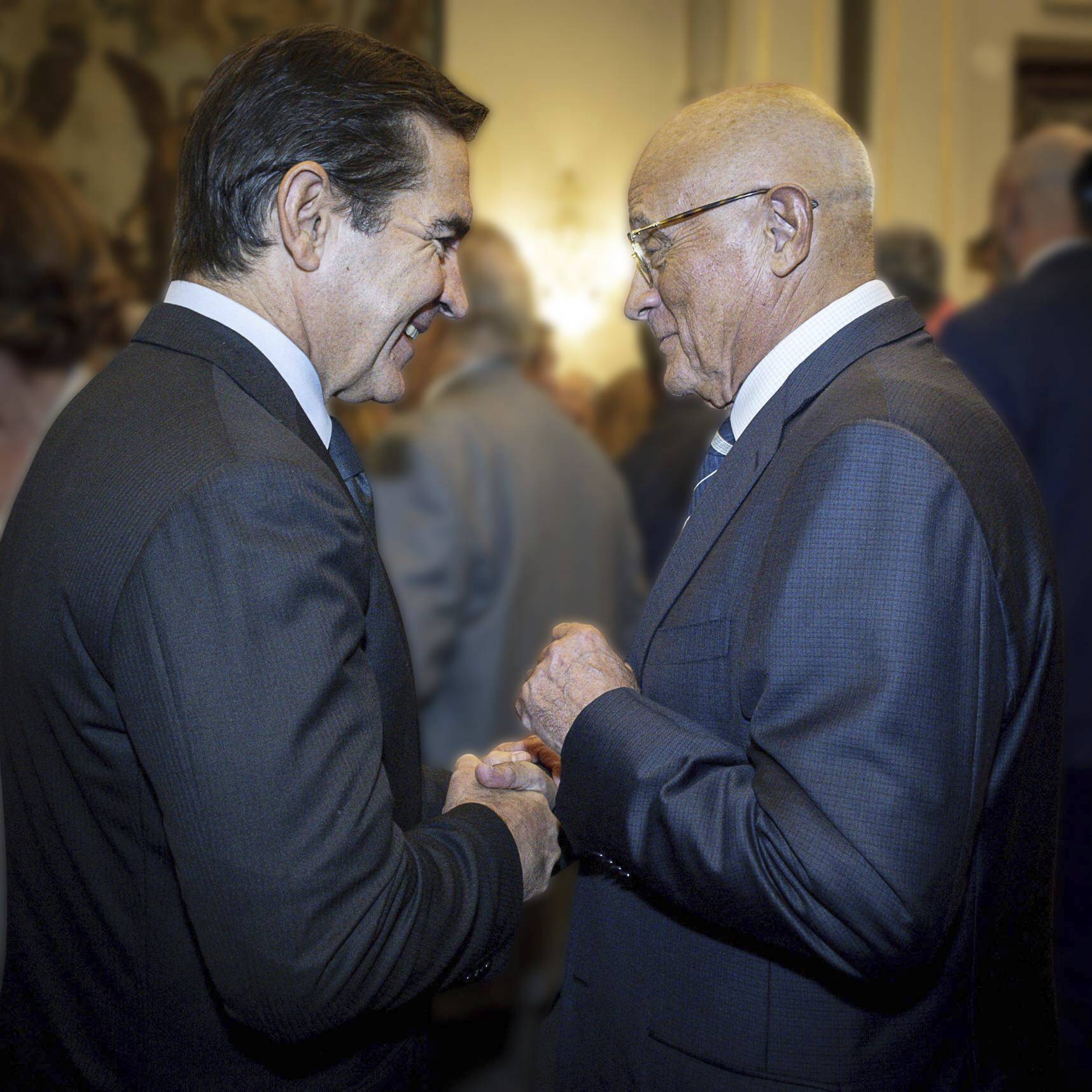
BBVA and Sabadell have recently redefined their strategies after a year of operating independently following the failure of their hostile takeover bid. In October 2025, BBVA's president Carlos Torres announced their strategy to grow and create value for shareholders, clients, and society after the failed takeover. However, Sabadell's president Josep Oliu and CEO César González-Bueno had a striking celebration with their staff, marking the beginning of a one-year battle between the two banks.
The takeover attempt was driven by BBVA's desire to reduce their dependence on emerging markets like Mexico and Turkey, while Sabadell saw it as an opportunity to strengthen their position in Spain. The deal was rejected by Sabadell's board, arguing that the offer undervalued their bank and future prospects. BBVA then launched a hostile takeover, which escalated into a one-and-a-half-year battle marked by board disputes and public arguments.
Sabadell promised a wave of dividends between 2025 and 2027, including a macro-dividend of 2.5 billion, following the sale of TSB. They challenged the analysis methods used by independent supervisors, including the CNMC and CNMV. The takeover also had a political dimension, as it occurred during the Catalan elections campaign, with candidates from all parties using the operation to their advantage.
The Spanish government vetoed the merger for three years, making the takeover a significant case for balancing the general interest and government intervention in economic policy. The European Commission launched a sanctioning investigation against the Spanish government for its interference in the operation. Eventually, the combined entity managed to convince only 25.33% of Sabadell shareholders to approve the takeover, falling short of the 30% threshold required to initiate a second bid.
Since the failed takeover, Sabadell has transformed significantly, focusing on Spain, reorganizing its leadership, restructuring its organization, and incorporating BPCE. The new strategy aims for profitability above 1,600 million and a ROE of 16% by 2027. Despite a weak start to the year due to the aftermath of the takeover, Sabadell's second-quarter results showed early signs of recovery.
Written by urgent.news from Expansion ES's reporting — not their text. Machine-written — may contain errors; check the original before relying on it.