'Ban' on bus preaching must stand - IGER Africa
President Mahama had explained that the law only prohibited these activities in moving public and commercial vehicles, and not in vehicles that are stationary
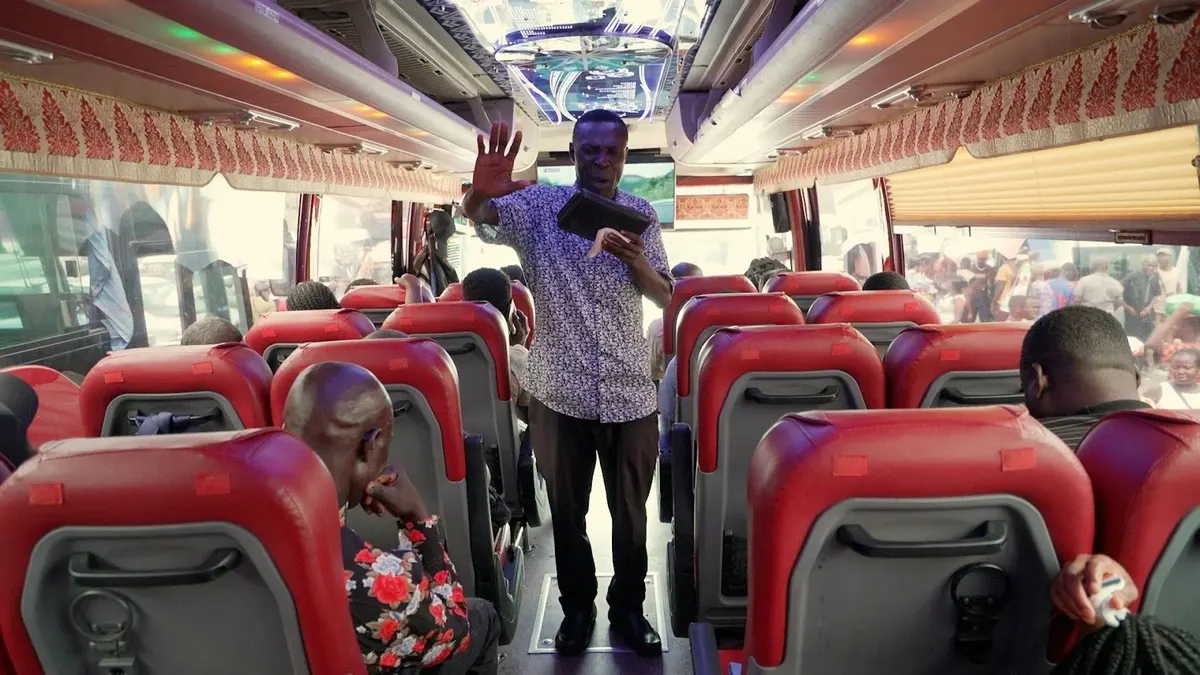
IGER-Africa President Paul Abrokwa has declared that the prohibition of preaching in commercial buses in Ghana must remain in effect. This stance follows President John Dramani Mahama's clarification on the Road Traffic Regulations, 2026 (L.I. 2519), which specifically states that such activities are only prohibited in moving public and commercial vehicles, not in stationary ones.
President Mahama elaborated on this point during a tour of the Tepa–Agoaso Road, stating that while preaching is allowed when the bus is at the station, it must cease once the vehicle begins moving. The clarification was provided to address concerns that the ban was being enforced inconsistently. The source material indicates that the law has been in place for a considerable time, having been amended to an existing Legislative Instrument.
The primary objective of this regulation is to maintain driver focus and ensure passenger safety and order on public transit. The IGER-Africa President's statement highlights the recent national debate surrounding Ghana's public transport regulations, which have drawn criticism from various religious leaders and figures who have challenged the law.
The criticism, according to the source, has raised questions about the balance between religious freedom and civic governance. The pushback has included public declarations from church leaders and threats of defiance from influential religious figures, which the source deems as a breach of the boundary between religious liberties and government governance.
The source further explains that commercial buses, often referred to as trotros, have become places where commuters, many of whom face economic hardships and stress, are subjected to unwanted preaching, intimidation, and demands for money. In the contemporary context, where multiple avenues for evangelism exist, including digital media and community centers, the IGER-Africa President argues that preaching inside a moving bus is unnecessary and indefensible.
The source asserts that the Institute of Governance, Ethics, and Religion - Africa (IGER-Africa) has refuted the arguments against the ban by grounding its position in biblical scholarship, legal precedent, and civic ethics. The position paper addresses the perceived hypocrisy among clergy who respect transit quiet zones in other countries while disregarding them domestically, highlights the historical exploitation of vulnerable commuters, and calls for strict enforcement of the existing laws.
Written by urgent.news from 3News's reporting — not their text. Machine-written — may contain errors; check the original before relying on it.