Are private zoos an option when illegal animal smuggling is rampant
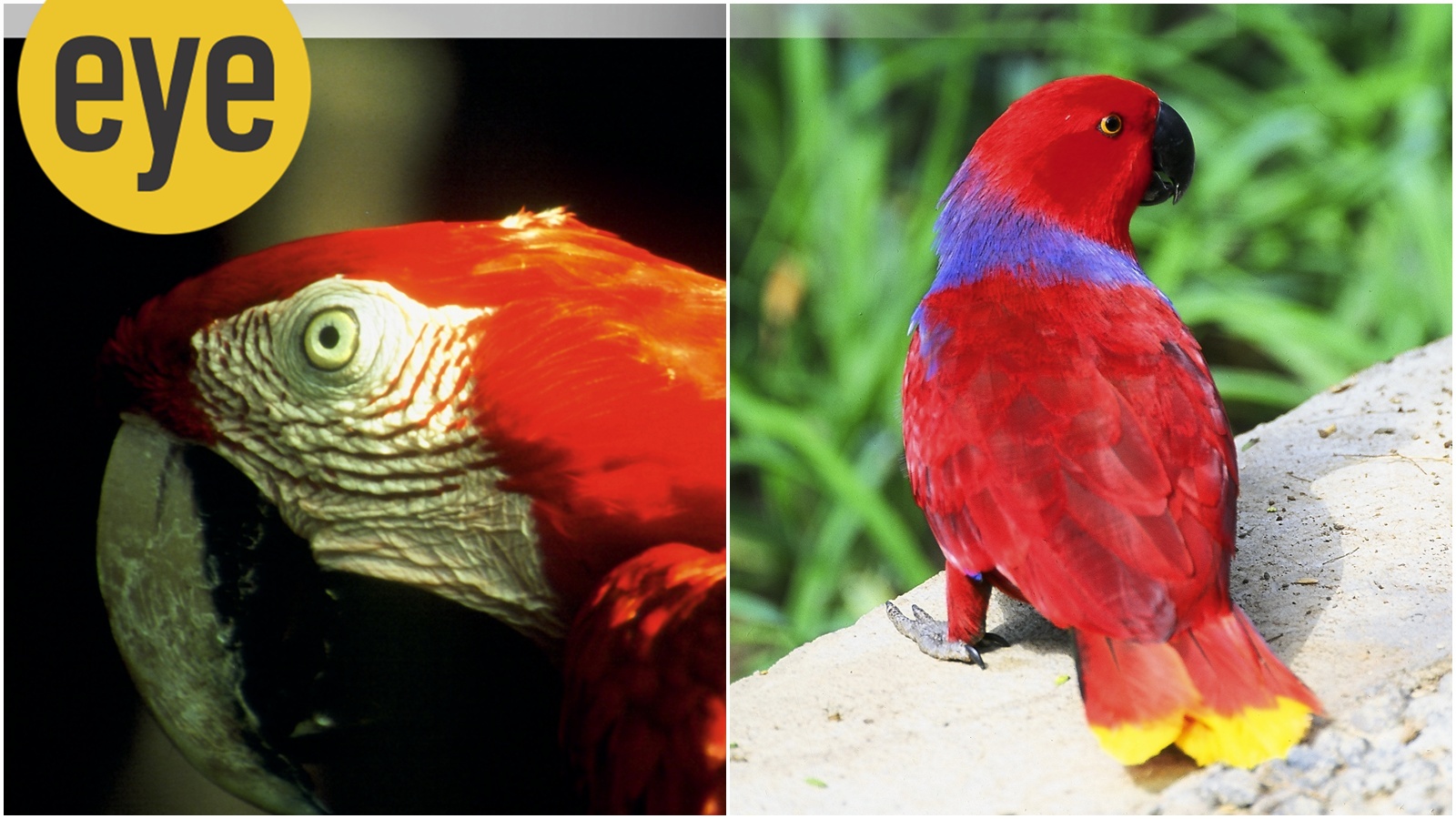
Recent discovery of five baby orangutans abandoned in an Odisha forest has sparked discussions about the feasibility of private zoos in India. Found in Delhi Zoo years ago, Pinky the orangutan remains a reminder of the challenges surrounding these creatures.
India's wildlife smuggling industry, ranking fourth globally, generates over USD 20 billion annually. Despite the Convention on International Trade in Endangered Species of Wild Fauna and Flora (CITES) being a key agreement, illegal trade persists. Different nations have varying regulations, leading to inconsistencies in enforcement.
India's Wildlife Protection Act of 1972 prohibits private ownership or trade of protected species, yet this rule is often overlooked. In 2021, an estimate found 87 species of exotic reptiles being trafficked, with 98.6% of imported reptiles going unreported to CITES authorities.
Private zoos have been proposed as a solution for breeding endangered species and reintroducing them into the wild. Examples include Jersey Zoo successfully raising the pygmy hog. Responsible zoos may also offer public interaction with rare animals. However, critics argue that many private zoos fail to meet the welfare standards necessary for such animals, often leading to overcrowded, unsanitary conditions.
Wildlife trafficking poses serious risks; for instance, red-eared slider turtles and Burmese pythons have become invasive species in their new environments. Even well-intentioned pet owners may find themselves in danger when their pets turn hostile.
Ultimately, the decision to keep private zoos comes with numerous challenges, ranging from welfare issues to ecological concerns.
Written by urgent.news from The Indian Express's reporting — not their text. Machine-written — may contain errors; check the original before relying on it.