Apple's 'Minions' research turns idle Mac GPUs into a virtual GPU cloud
Apple has detailed a new system, called Minions, that uses the idle GPUs found in Apple Silicon Macs to create a virtual GPU cloud that combines the untapped processing power to chew through complex AI workloads. Mac Studio and Mac mini can become part of a Minion system Described by Apple as a dynamic virtual GPU cloud that "aggregates idle Apple Silicon GPUs" across Macs, Minions can aid teams…
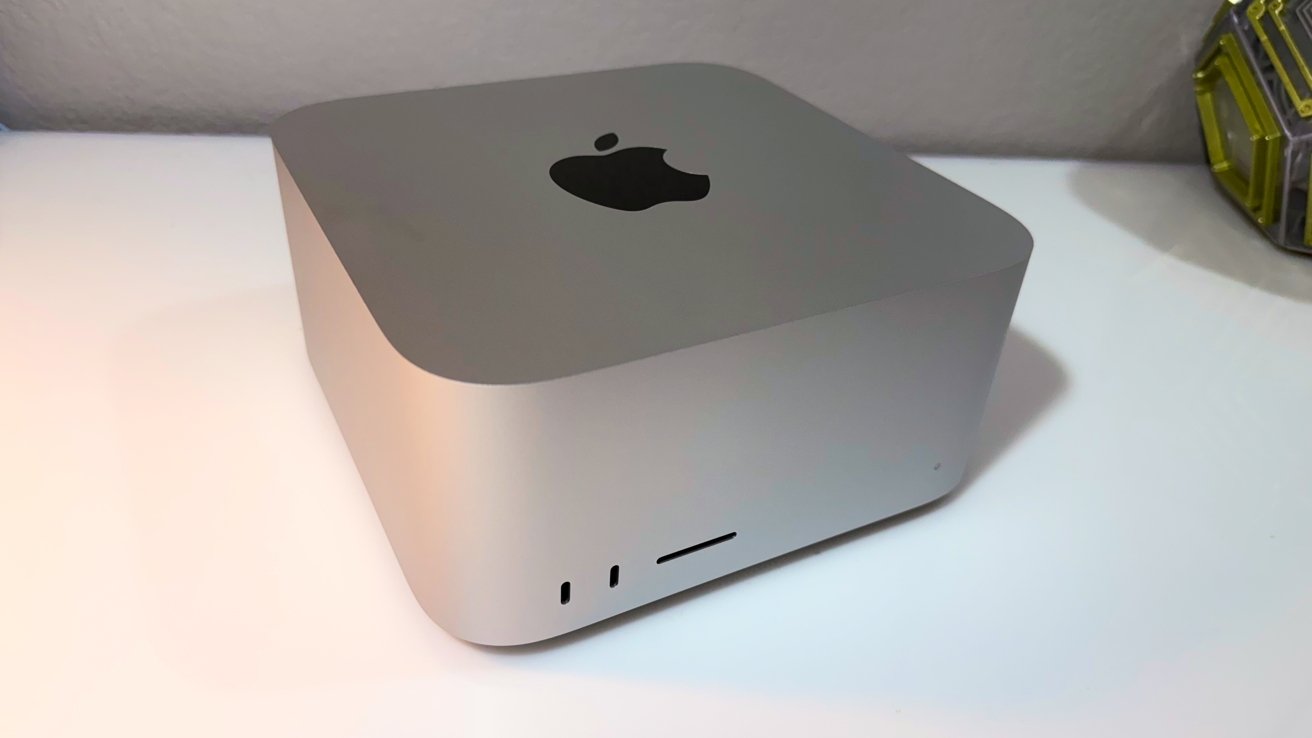
Apple has introduced a new system called Minions that harnesses the idle GPU capabilities of Apple Silicon Macs to create a virtual GPU cloud. This system aggregates the untapped processing power of Macs to tackle complex AI workloads. Apple researchers have already been utilizing Minions internally. The concept behind Minions is straightforward: Macs possess powerful GPUs that remain idle during regular computing tasks.
Minions aims to leverage this unused GPU processing power by transforming idle Macs into a cluster of AI-ready machines. The Mac mini and Mac Studio support Minions through Remote Direct Memory Access (RDMA) using Thunderbolt 5 connections. These high-bandwidth cables enable the combination of compute and memory across multiple machines to work on a single workload.
To operate, Minions requires four key components. A Minions Server serves as the central coordinator, managing requests through a web-based interface and APIs. Upon receiving a job, the Minions Server queues it into a PostgreSQL metadata store. Minion Executors, running on macOS devices whose GPUs are available for Minions, execute subtasks locally using Apple Silicon GPUs and store the results.
In case of failures, such as connectivity issues or power loss, the Minion Watchdog re-queues the failed job for execution on another machine. This entire process is monitored in real-time through a dashboard. Apple claims that their experience has demonstrated that macOS devices can effectively function as a distributed GPU inference platform when needed.
Written by urgent.news from AppleInsider's reporting — not their text. Machine-written — may contain errors; check the original before relying on it.