America’s Sordid History of Filming Executions as Entertainment
Hegseth’s plan to livestream an execution was not without precedent — it tapped into a dark and forgotten U.S. tradition. The post America’s Sordid History of Filming Executions as Entertainment appeared first on The Intercept .
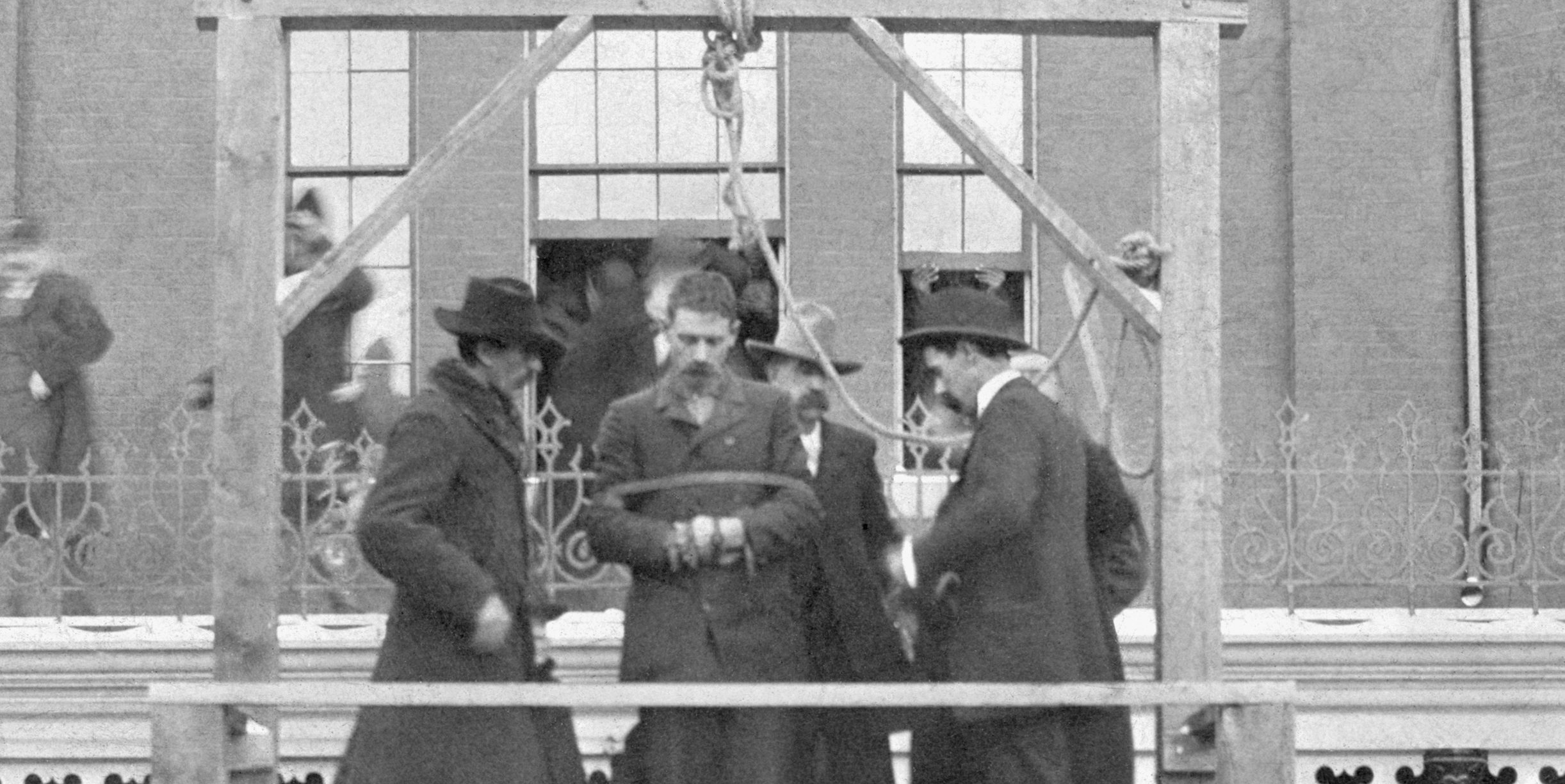
The practice of filming executions as entertainment in America dates back to the early days of cinema. In 1897, filmmaker Frederick Guth recorded the execution of William Carr, a Missouri farmhand convicted of murdering his daughter, marking the first known filmed execution. Guth's film, "The Hanging of William Carr," was exhibited in Kansas City and St. Louis and later screened across the country.
The following year, "An Execution by Hanging" (1898) was first shown, depicting the hanging of Edward Heinson, convicted for a criminal assault on a 14-year-old white girl. These early films often combined actual execution footage with fictional reenactments, blurring the line between reality and fiction. Films like "Execution of Czolgosz with Panorama of Auburn Prison" (1901) and "Electrocuting an Elephant" (1903) showcased actual execution scenes alongside mannequins or zoo animals being killed.
These films were marketed as "ghastly" and "interesting," reflecting the morbid fascination with violence that defined early American cinema. The practice of filming executions persisted, with the American Mutoscope and Biograph company using it throughout the early 20th century. They even produced films depicting mob executions and reenacted the deaths of fictional characters.
While some viewed these films as aberrations, they were a reflection of the broader cultural fascination with violence and spectacle.
Written by urgent.news from The Intercept's reporting — not their text. Machine-written — may contain errors; check the original before relying on it.
This story
This is one outlet's version. Read the fullest account.
- America’s Sordid History of Filming Executions as Entertainment theintercept.com