America's 'boomcession' and what it means for Australia
The phenomenon highlights the stark gap between booming macroeconomic indicators and the widespread financial struggles ordinary people face.
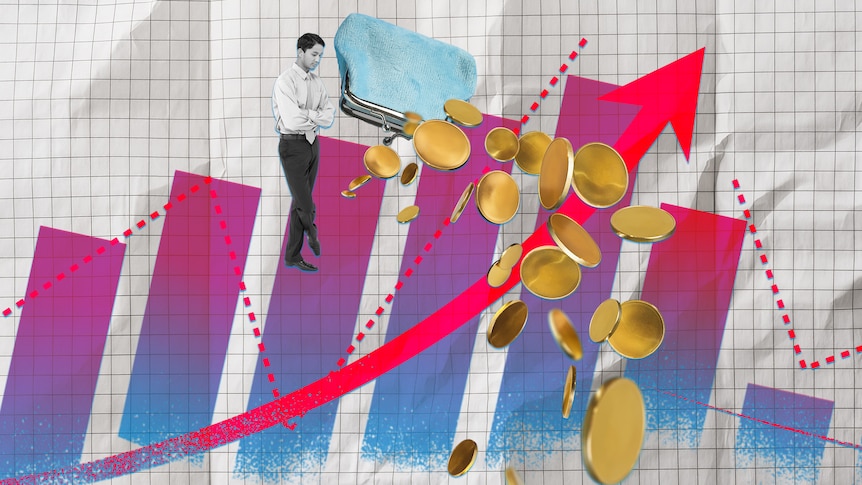
Australia's economy is experiencing growth, with unemployment rates remaining relatively low and various economic indicators appearing robust. However, this positive macroeconomic landscape appears to be masking significant financial struggles for many households, a phenomenon known as the "boomcession" or "vibecession" in Australia. Coined by American economics writer Matt Stoller, the term describes an economy performing well overall while a large portion of the population feels like they are in a recession.
While Australia's GDP is expanding and equity markets have benefited from enthusiasm around artificial intelligence, many households report feeling financially strained. Independent economist Nicki Hutley explains that while the surface-level economy seems healthy, with growth of about 2% and low unemployment, the average Australian is feeling increasingly frustrated. This disconnect is partly due to the recent reduction in interest rates, which has been taken back, and persistent high inflation eroding any wage gains.
Furthermore, households are grappling with "bill shock" items, such as rising mortgage repayments, higher living costs, and increasing fuel prices. These factors are contributing to a decline in consumer sentiment, which fell to 74.9 in October, its lowest level since mid-2024. The Reserve Bank of Australia (RBA) has raised interest rates four times this year as inflation remains elevated, and rising fuel prices have further strained household budgets.
Despite the overall economic resilience, the gap between household experience and headline economic data is narrowing. Economic growth is slowing, the labour market is becoming softer, and asset markets are no longer providing the same support they once did. While Australia may not fit the strict definition of a boomcession, the feeling of living through one remains for many Australians, as consumer sentiment is unlikely to recover meaningfully until financial pressures ease.
This means that while the economy may be improving, the benefits are not being evenly distributed, leaving many households feeling like they are stuck in a downturn.
Written by urgent.news from ABC News AU's reporting — not their text. Machine-written — may contain errors; check the original before relying on it.