AI job losses set to rein in office demand in developed Asia-Pacific economies: report
A mild displacement of jobs across the Asia-Pacific region as companies expand their use of AI would trim five percentage points off growth in office space demand in the next few years, according to property consultancy CBRE. In a report released on Thursday it said 3.9 per cent of office jobs were vulnerable to artificial intelligence-driven displacement in developed markets in the region,…
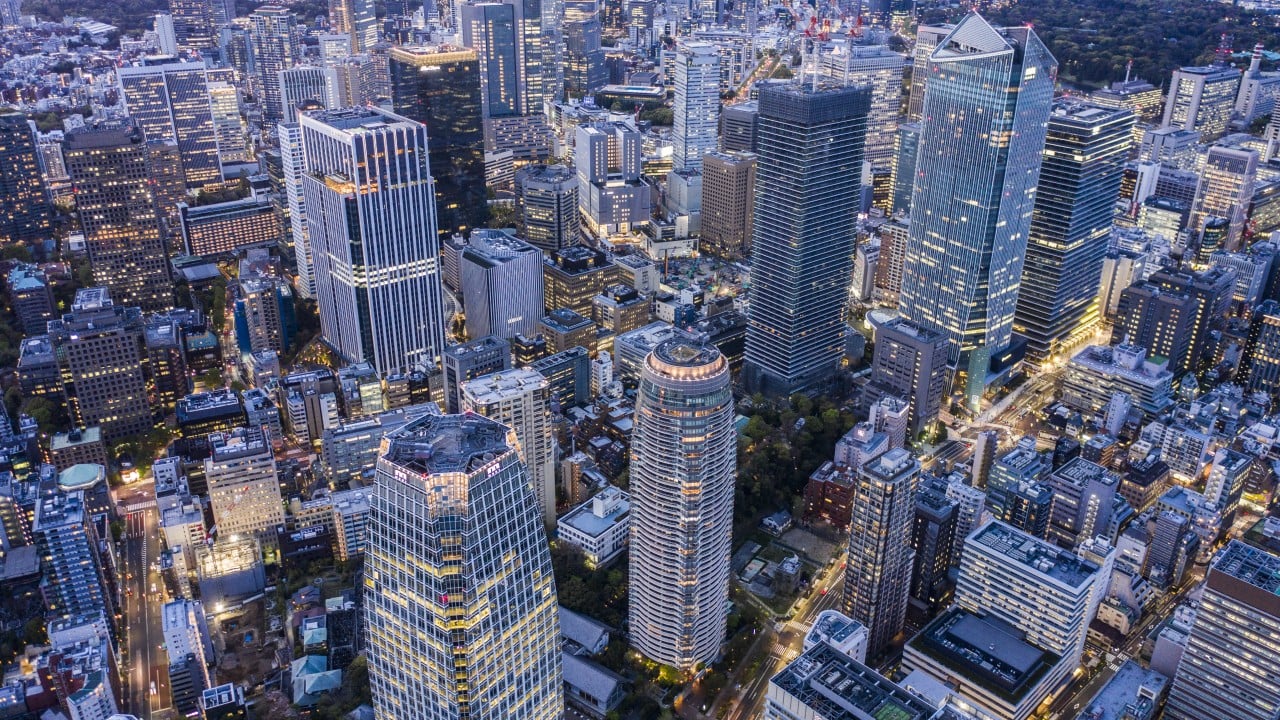
A new report by property consultancy CBRE predicts that AI job losses could reduce office space demand growth in developed Asia-Pacific economies by 5 percentage points in the coming years. The report estimates that 3.9% of office jobs in developed markets such as Hong Kong, Singapore, Japan, South Korea, Taiwan, Australia, and New Zealand are vulnerable to AI displacement.
However, only 1.7% of jobs in developing markets like mainland China, India, Indonesia, Malaysia, the Philippines, Thailand, and Vietnam face similar risks.
CBRE's head of Asia-Pacific research, Ada Choi, said that while occupied office space was projected to grow under a moderate-displacement scenario, the pace would slow to 13% by 2030 - 5 percentage points less than the base case scenario where firms incorporated AI-related productivity gains without job displacement. The moderate displacement scenario is described as a "downside sensitivity analysis" rather than a prediction of contraction.
The report adds that potential upside from new AI-related companies, occupations, and business formation is not included in the model.
Most Asia-Pacific markets were expected to fall under the moderate displacement assumption, while Japan is likely to face a slow displacement scenario due to organisational and cultural barriers to change. Mainland China could face a rapid displacement scenario where all identified occupations are automated within the shortest time frame. Under such a scenario, office employment would still expand but slowly, by a total of 2% between 2025 and 2030.
The report notes that AI is unlikely to be the primary driver of office market weakness in Hong Kong, as the city has a high concentration of office-based employment, relatively high labour costs, and strong digital readiness. Instead, AI is expected to accelerate the divergence between prime and secondary assets in Hong Kong, with top-tier locations attracting more leasing demand.
Written by urgent.news from SCMP Tech's reporting — not their text. Machine-written — may contain errors; check the original before relying on it.
This story
This is one outlet's version. Read the fullest account.