AI-armed hackers tear through corporate Japan’s neglected defences
Japanese companies have faced a growing wave of cyberattacks in recent weeks, exposing millions of customers’ records as analysts warn that artificial intelligence is helping hackers exploit long-standing security weaknesses and overcome language barriers that once offered some protection. More than 500 breaches of corporate systems were reported in the year to this month, surpassing the total…
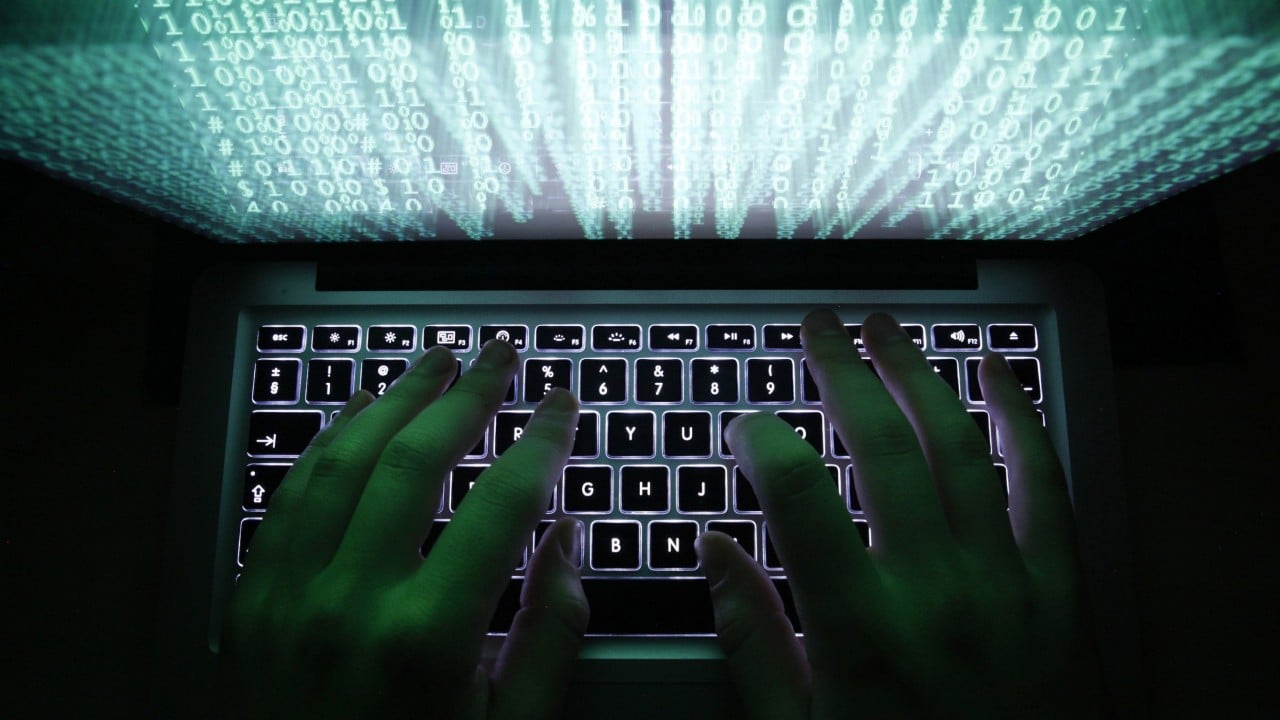
Recent weeks have witnessed a surge in cyberattacks targeting Japanese corporations, exposing sensitive customer data and causing significant disruption. Over 500 breaches were reported in the year to date, surpassing the total for all of 2025, according to the Yomiuri newspaper. A ransomware attack on IDC Frontier on October 7 paralyzed systems used by 495 companies and local authorities, affecting over 6 million customer accounts, including those of railway operator JR East.
Other affected businesses include book retailer BookOff, which revealed that 6.43 million member records were compromised, online travel firm Skyticket with 14.6 million users' data exposed, and vehicle rental service Times Car, which reported that 6.6 million accounts were breached.
Cybersecurity expert Yutaka Sejiyama from Macnica’s Security Research Centre attributes the rise in attacks to the accumulation of inadequate security measures within Japanese companies, which have often prioritized the prevention of ransomware over other potential vulnerabilities. He believes that recent advancements in artificial intelligence have enabled hackers to overcome language barriers that once provided some protection.
While Sejiyama acknowledges the lack of definitive proof, he notes that the methods used and scale of damage suggest a level of sophistication that surpasses human capability alone. He also highlights the potential for AI to accelerate the probing of a company's cyberdefences, which could previously have taken weeks or months.
Foreign hackers have historically been deterred from targeting Japan due to the language barrier, as many hacking tools predominantly use English. However, recent AI developments have facilitated their ability to target Japanese organizations. Online travel firm Skyticket and vehicle rental service Times Car reported significant data breaches, exposing personal information such as residential addresses and driving licence data.
Despite the severity of these breaches, experts warn that the cumulative impact on Japanese corporations could be devastating due to their extensive integration with partners, both domestic and foreign.
South Korean firms have also experienced AI-driven attacks, with one targeting nine major financial institutions and compromising customer-facing web services and sensitive data. Experts like Martin Schulz, chief policy economist at Fujitsu’s Global Market Intelligence Unit, suggest that other regional economies should take note, as the tools enabling AI-enhanced breaches in Japan could similarly dismantle other defenses.
While individuals can take some precautions, such as carefully selecting services and limiting damage after a breach, the widespread penetration of IT systems makes comprehensive protection challenging. Experts advise remaining vigilant against scams and fraudulent communications.
Written by urgent.news from South China Morning Post's reporting — not their text. Machine-written — may contain errors; check the original before relying on it.