60-Dollar-Brot: Worin liegt der Reiz, anderen beim Geldausgeben zuzusehen?
Neun Millionen Aufrufe für ein Video über ein Brot, das kaum einer der Zuschauer kaufen würde. Ein New Yorker Roggenlaib verrät einiges über die Psychologie des Social-Media-Hypes.
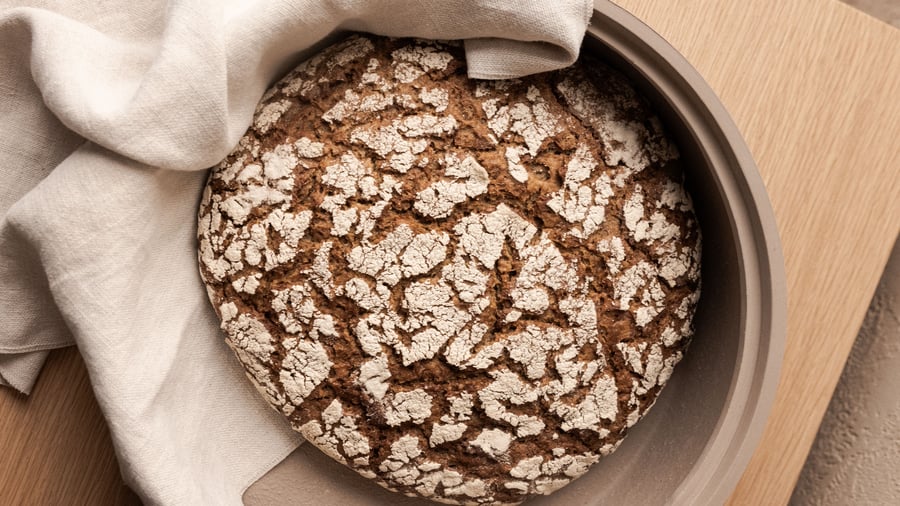
A Roggen sourdough bread that costs $60 per loaf has become the center of a hype in New York City. ShhhhImEating, a food creator, filmed and consumed the bread, reaching over a million views. Ella Kahan, known as ChewYorkCity, paid $30 for half a loaf, calling it "basically toast." Her video garnered millions of views. Sabrina Carey's video about the same bread went viral on X, garnering over nine million views within three days.
Bloomberg News sent a crew to buy a loaf from a premium supermarket, Wegmans, and Rye in Soho. The bread, made in the Rye bakery in Soho's Manhattan neighborhood for $60 per loaf, has become a subject of discussion, not just for eating but for filming, testing, and even ridicule. Each reaction provides material for the next. Influencers and livestreamers gain visibility, media attention, and advertising revenue.
This hype has created a content economy around a single loaf. The question is no longer just who pays $60 for this bread, but who profits from others watching them pay. This bread has become part of a content ecosystem, with brand, platform, influencer agencies, and creators all benefiting from the viral product. Livestreamer Andrew streamed three hours at Rye, buying a loaf and having passersby taste it.
His three-hour stream remained online, with ads appearing for several views, including Nespresso, GoDaddy, and Harvard University offers. Andrew found the bread not worth $60, saying it is not good sourdough bread. Livestreaming has become a way to generate income, with the price of the bread being a catalyst for content creation and advertising revenue.
Micaela Schuffman, founder of Symbiotic PR, describes this as a "content economy." Brands, platforms, influencer agencies, and creators all profit from the viral product in different ways. The extreme price provokes questions about what's inside and why it costs so much, creating attention and media appeal.
Written by urgent.news from Handelsblatt's reporting — not their text. Machine-written — may contain errors; check the original before relying on it.
This story
This is one outlet's version. Read the fullest account.
- $60 bread: What's the appeal of watching others spend money? handelsblatt.com