Young Malaysians’ US$1.3bn short-term credit spree sparks warning over bad debt
Malaysians aged 30 and below bought some 5.4 billion ringgit (US$1.32 billion) worth of goods and services on short-term credit in the first half of this year, the country’s Finance Ministry has revealed. The ministry said it had recorded 65.9 million “buy now, pay later” (BNPL) purchases among younger consumers in the first six months of 2026 – equivalent to more than one in three, or 37.9 per…
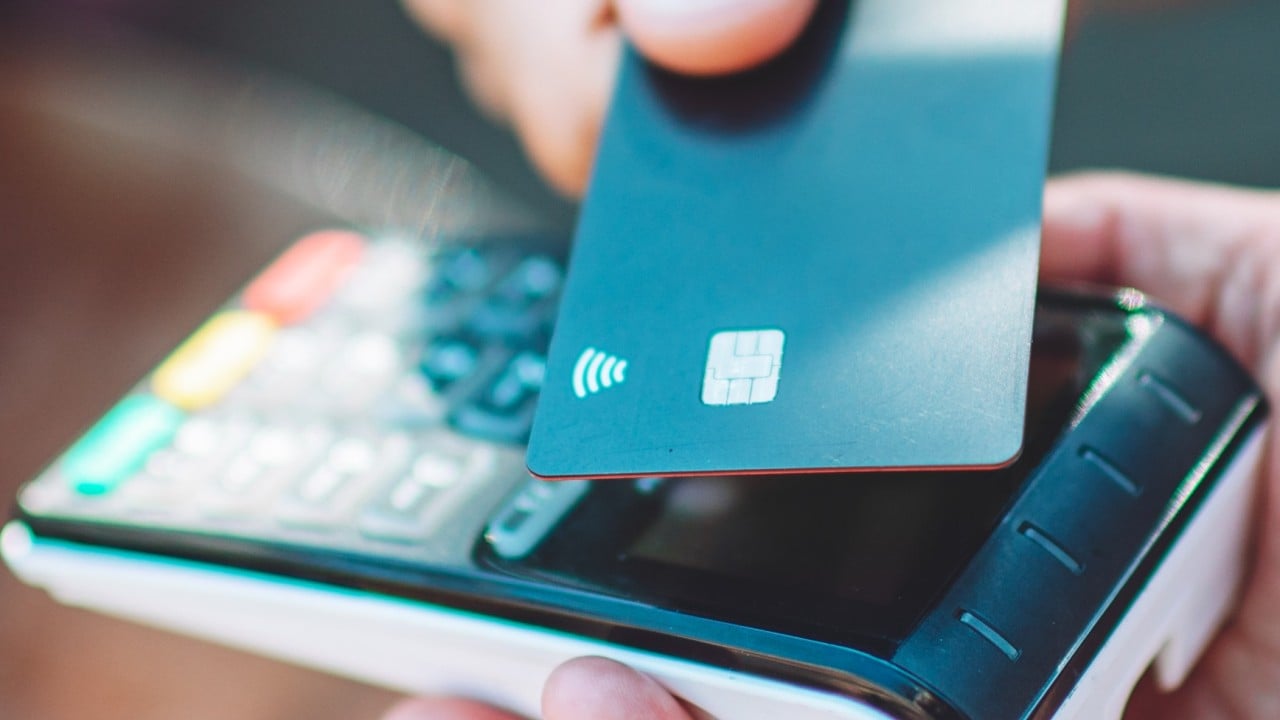
Malaysian youngsters aged 30 and under spent RM5.4 billion (US$1.32 billion) on short-term credit in the first half of 2026, according to the country's Finance Ministry. This equates to 37.9 percent of total purchases nationwide, with 65.9 million "buy now, pay later" (BNPL) transactions among the younger demographic during this period.
By June 30, the outstanding BNPL financing balance for this age group was RM2.4 billion. Of this amount, RM96.8 million or 4 percent was classified as non-performing or unpaid. The ministry noted that BNPL providers must perform creditworthiness assessments and affordability checks before granting credit to young customers, taking into account their overall financial commitments and existing credit facilities.
The ministry cautioned that overusing multiple BNPL facilities simultaneously could lead to high repayment commitments and negatively impact consumers' financial standing. BNPL services are governed by Malaysia's Consumer Credit Act 2025, which ensures compliance with fair and responsible lending standards by the Consumer Credit Commission.
The ministry responded to questions from lawmakers Alias Razak and Howard Lee regarding measures to protect young people from excessive debt. They clarified that BNPL providers are not legally obligated to freeze payment demands and late fees during investigations of unauthorized transaction disputes, but must resolve complaints fairly, transparently, and promptly.
The Consumer Credit Commission's standards require robust security controls, such as mandatory identity verification and a "kill switch" feature to allow consumers to freeze their accounts if they suspect fraud or identity theft. Consumers would not be held responsible for losses resulting from unauthorized transactions caused by provider system failures or security oversights.
Written by urgent.news from South China Morning Post's reporting — not their text. Machine-written — may contain errors; check the original before relying on it.