Why Korea’s KOSPI is tumbling like no other index
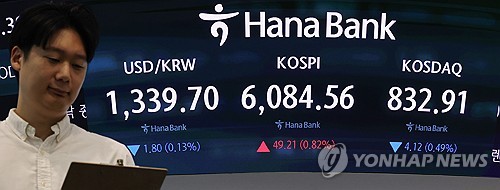
Korea's KOSPI index experienced a significant 5.46% drop on Tuesday, closing at 6,035.35, with no single major negative event causing the plunge. Analysts point to fears of intensifying competition in the semiconductor industry as the primary trigger, driven by ChangXin Memory Technologies' announcement of technological advancements in DRAM technology and plans to launch next-generation server products before year's end.
This increase in supply could lead to shrinking market shares and operating profits for the three major memory chipmakers - Samsung Electronics, SK Hynix, and Micron.
Another contributing factor was the CEOs of Broadcom and Intel expressing difficulties in raising capital, which could constrain AI growth. Combined with the impact of high interest rates making stocks less attractive, these concerns have compounded the pressure on the KOSPI. The lack of buying support further exacerbated the decline, as foreign investors have recorded net sales of 203 trillion won worth of domestic stocks, with selling focused on major semiconductor stocks.
Samsung Electronics and SK Hynix, already seeing buybacks nearly complete, are now particularly vulnerable to panic selling by foreign investors. Analysts are uncertain about the earnings forecasts for the semiconductor industry, which has been a key driver of the index, and whether foreign investors will return to the market. If persisting foreign selling and downward revisions in earnings projections occur, investors will need to reassess their medium-term investment strategies.
Written by urgent.news from The Hankyoreh's reporting — not their text. Machine-written — may contain errors; check the original before relying on it.