Why is everyone saying 'I Am Jane Doe' – and why should you care?
When internet users tried to uncover the identity of a woman accusing seven Cornell University students of sexual assault, social media users responded with “I Am Jane Doe”. The movement has become a viral stand against victim-blaming, with a message that resonates in Singapore too.
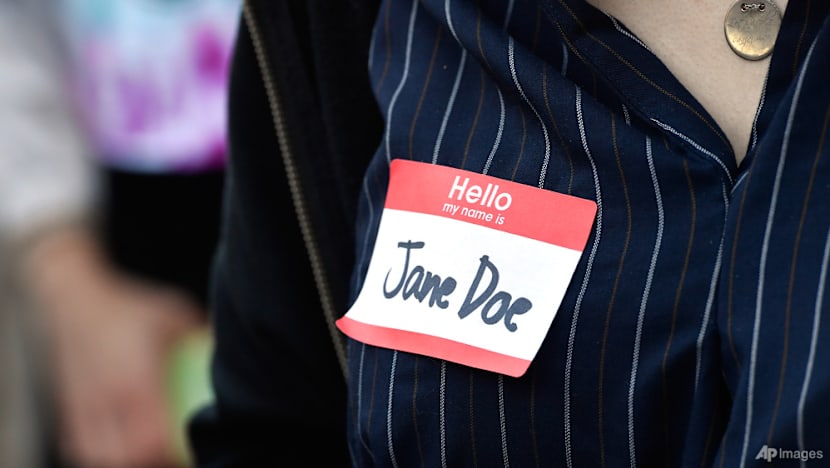
The recent case of a Cornell University student accusing seven fraternity members of sexual assault has sparked a global movement called "I Am Jane Doe." This movement aims to combat victim-blaming and promote the anonymity of sexual assault victims. The term "Jane Doe" is a pseudonym used to protect the identities of women in legal cases, including victims of sexual assault.
The movement originated from a 2017 documentary that followed American mothers seeking justice for their teenage daughters who were trafficked through Backpage.com. In the Cornell case, the victim alleged she was drugged and sexually assaulted while incapacitated. Despite the lawsuit filed against the accused, the criminal investigation remains ongoing, and no charges have been filed yet.
The movement's focus on protecting the victim's anonymity has gained traction, with people from various backgrounds joining in solidarity. This issue is not unique to America, as Singapore has also faced similar challenges, such as the SG Nasi Lemak Telegram group, the Singapore Sports School case involving deepfake videos, and various voyeurism cases.
The root of these issues often lies in "rape culture" – attitudes that trivialize or excuse sexual violence, shifting responsibility onto victims. Examples of such victim-blaming include asking, "What was she wearing?" or "Why didn't she fight back?" These attitudes have discouraged survivors from seeking help or reporting assaults.
Organizations like AWARE in Singapore have highlighted the prevalence of rape myths, which discourage survivors from reporting incidents. Even after the movement gains attention, it may fade from the public eye, but the questions raised by the movement remain crucial. These questions revolve around why victims face scrutiny, what actions individuals can take to support survivors, and how communities can address sexual violence.
Written by urgent.news from CNA - Singapore's reporting — not their text. Machine-written — may contain errors; check the original before relying on it.
This story
This is one outlet's version. Read the fullest account.
- Why is everyone saying 'I Am Jane Doe' – and why should you care? channelnewsasia.com