What we know about Pope Leo XIV's lung cancer diagnosis
Pope Leo underwent surgery on Tuesday to remove a cancerours tumour from his right lung after saying that a nodule had been "detected at a very early stage". Following a "successful" operation, the Vatican said the pontiff would undergo additional testing.
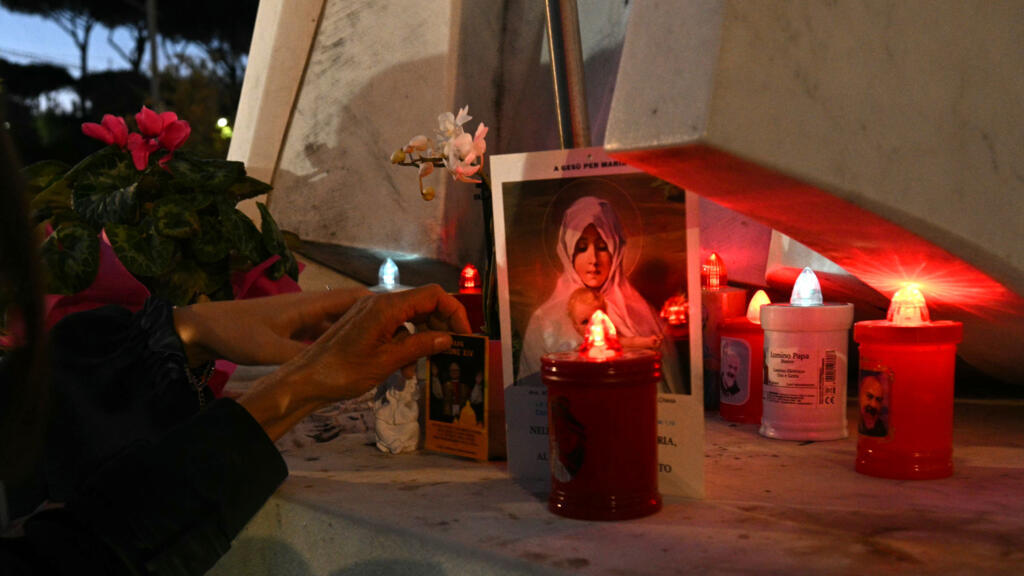
Pope Leo, 71, underwent surgery on Tuesday to remove a portion of his right lung due to a diagnosis of lung cancer. The Vatican announced that the procedure, conducted at Rome's Gemelli hospital, was successful and aimed to eliminate all cancerous tissue using a video-assisted technique. The operation involved removing the lower lobe of the pope's right lung.
Medical experts noted that the prognosis and treatment would depend on the size of the removed tumor and whether the cancer had spread to the pope's lymph nodes, information the Vatican had not immediately provided. Upon successful completion of the surgery, lasting about 90 minutes, the pope woke up normally and is currently resting in his hospital room.
The Vatican stated that Leo would likely remain hospitalized for about a week. All public events scheduled for the pontiff have been canceled until October 20. The late Pope Francis, Leo's predecessor, also faced several hospitalizations in his later years.
Written by urgent.news from Jerusalem Post's reporting — not their text. Machine-written — may contain errors; check the original before relying on it.
This story
This is one outlet's version. Read the fullest account.
- Pope Leo had lobe of lung removed as doctors found cancer, Vatican says jpost.com
- Pope Leo XIV undergoes surgery for cancer: What is lung adenocarcinoma? thehindu.com
- Doctors discuss Pope Leo's lung cancer diagnosis cbsnews.com
- Breaking: Pope Leo has lobe of lung removed as doctors find cancer, Vatican says abc.net.au
- Pope Leo Has Lung Cancer, Vatican Says nytimes.com