What The Social Reckoning misses about Meta
'The Social Reckoning' is a tepid response to how truly problematic Meta is now.
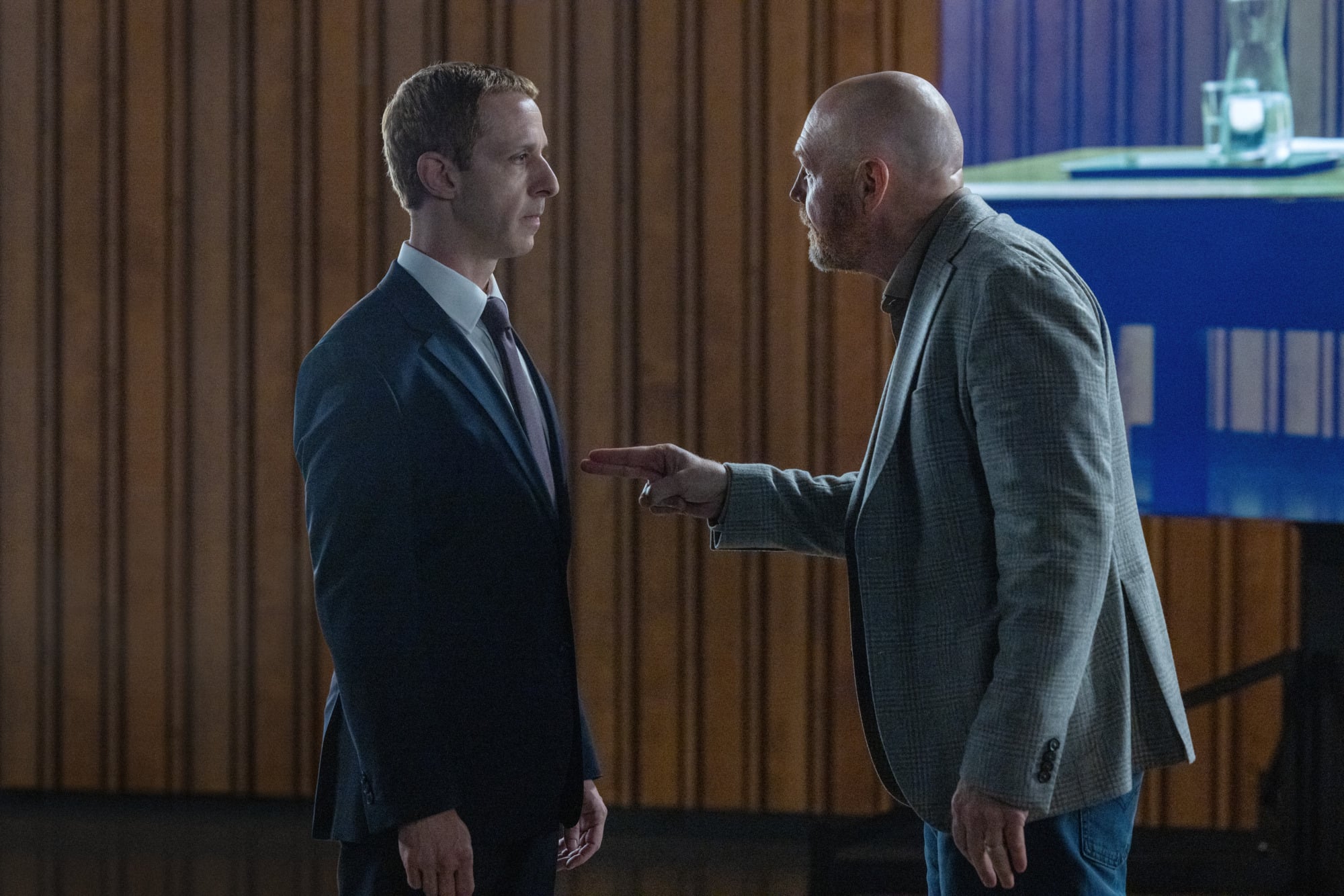
The Social Reckoning, a film by Aaron Sorkin, offers a follow-up to his 2010 film about Facebook's founding. While Sorkin's script includes one-liners, metaphors, and cries for change, it notably omits several key facts. The film's two timelines focus on Frances Haugen and Jeremy Allen White's efforts to uncover Facebook's wrongdoing, and Zuckerberg's Congressional testimony during the Capitol riot.
Interestingly, the film avoids mentioning Trump, despite the majority of its setting taking place in 2020. COVID-19 is referred to as a "novel virus," and the film sidesteps the role of misinformation spread on Meta platforms. The movie also omits details about Facebook's data breach of 2018, which targeted U.S. voters during the 2016 election.
Additionally, the film briefly touches on the company's role in exacerbating mental health crises, youth suicides, and the spread of child sexual abuse materials, but it fails to delve into the full extent of these issues. Despite Haugen's Congressional testimony, the film does not discuss Meta's subsequent changes, such as the renaming to Meta and the introduction of Teen Accounts, which have been criticized for being ineffective.
The film's message is that someone needs to act, but Congress has failed to hold Meta accountable, even after Haugen's disclosure.
Written by urgent.news from Mashable's reporting — not their text. Machine-written — may contain errors; check the original before relying on it.