We’re Asking the Wisconsin Supreme Court to End Warrantless ALPR Searches
Today, EFF joined the ACLU of Wisconsin in filing a petition to the Wisconsin Supreme Court, asking it to rule that the state’s constitution requires a warrant for retrospective searches of ALPR databases used by law enforcement in four cities: Milwaukee, Racine, Kenosha, and Green Bay. We represent a religious organization, the Wisconsin Council of Churches, as well as an individual pastor in…
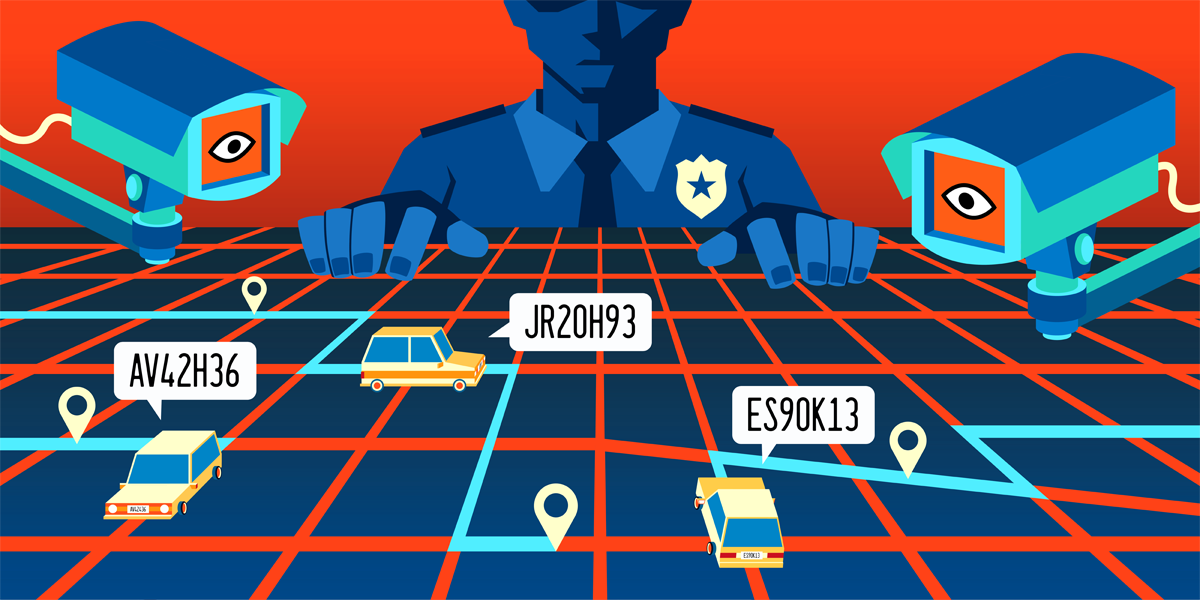
The Electronic Frontier Foundation (EFF) and the ACLU of Wisconsin have joined forces to petition the Wisconsin Supreme Court, requesting a ruling that the state's constitution mandates a warrant for retrospective searches of Automated License Plate Reader (ALPR) databases employed by law enforcement agencies in four major cities: Milwaukee, Racine, Kenosha, and Green Bay.
Representing a religious organization, the Wisconsin Council of Churches, and an individual pastor from Green Bay, the petition highlights the potential for ALPR technology to infringe upon the privacy of individuals and communities engaging in sensitive and private activities. These activities include medical care, religious services, 12-step recovery meetings, protests, political gatherings, and other confidential interactions.
By utilizing ALPRs, law enforcement entities have amassed and analyzed vast amounts of data, allowing them to track the movements of individuals and entire communities with unprecedented ease. The petition argues that such warrantless mass surveillance is an affront to the principles of individualized suspicion and underscores the need for the Wisconsin Supreme Court to protect the privacy rights of religious organizations and their members.
The EFF's previous lawsuit, SIREN v. San Jose, resulted in a federal court's ruling that ALPRs constitute a form of indiscriminate mass surveillance, and the organization hopes that the Wisconsin Supreme Court will follow suit.
Written by urgent.news from EFF Deeplinks's reporting — not their text. Machine-written — may contain errors; check the original before relying on it.