US stocks drop to their worst day since July as inflation worsens
US stocks dropped to their worst day since July on Wednesday, following the latest signal that inflation is getting worse. The S&P 500 sank 1.1 per cent for a fifth loss in the six days since setting its all-time high. The Dow Jones Industrial Average fell 48 points, or 0.1 per cent, and the Nasdaq composite slid 1.9 per cent as stocks in the artificial-intelligence industry led the way lower.…
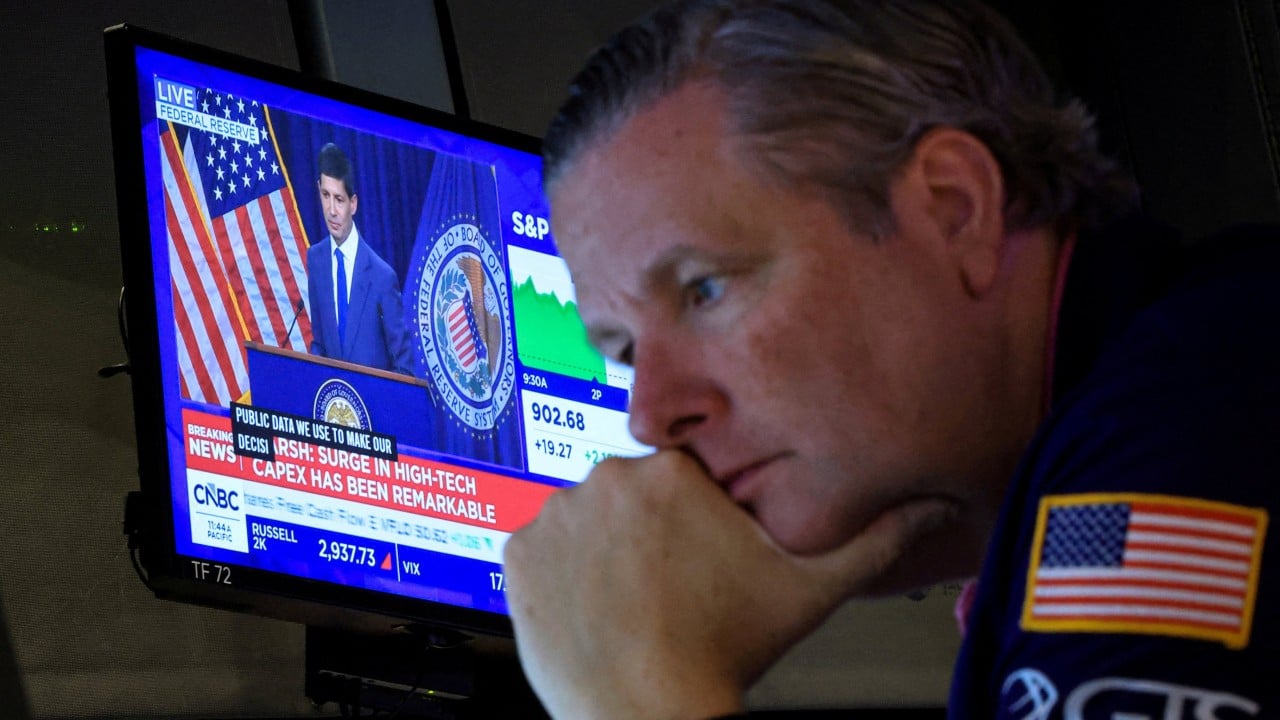
On Wednesday, US stocks plummeted to their worst day since July as inflation intensified. The S&P 500 experienced a 1.1 percent decrease, marking a fifth loss within six days since reaching its all-time high. The Dow Jones Industrial Average fell by 48 points, or 0.1 percent, while the Nasdaq composite dropped 1.9 percent. The artificial-intelligence sector was the primary driver behind the decline.
Rising bond yields, driven by concerns over accelerating inflation, weighed heavily on stocks. US consumers faced a 3.7 percent increase in fuel, food, and living costs last month, surpassing the 3.6 percent anticipated by economists. Inflation has been more severe than expected since the economy reopened following the Covid-19 pandemic.
Recent fuel price spikes resulting from the Iran conflict contributed to the inflation surge, with Brent crude reaching $106.06 per barrel. This has intensified worries about the government's mounting debt, escalating bond yields to their highest levels in years. The 10-year Treasury yield briefly surged above 5.32 percent before settling closer to 5.17 percent.
Short-term Treasurys saw even greater yield increases, reflecting traders' expectations of upcoming Federal Reserve interest rate hikes. The Federal Reserve recently lifted the interest rate for the first time in three years to curb inflation. Despite the Fed's efforts, the likelihood of a rate increase at the next meeting has risen to nearly 35 percent, up from 22 percent just a day prior.
The high inflation rate persists due to Americans' continued spending, which encourages businesses to raise prices. Although inflation may eventually ease as consumers become more price-sensitive and the economy benefits from worker productivity, patience will be necessary. Many tech companies suffered significant losses, particularly those benefiting from the AI boom.
Nvidia, Broadcom, and Advanced Micro Devices all dropped between 3.2 percent and 5.7 percent. AI computing providers like CoreWeave, GE Vernova, and Oracle also experienced sharp declines. Smaller companies are particularly vulnerable to higher interest rates since they often require borrowing for expansion. The Russell 2000, tracking small US stocks, fell 1.9 percent.
Higher yields in the bond market depress stock prices, forcing companies to deliver stronger profits to offset the impact. Despite the challenges, the S&P 500 managed to set new records due to high growth expectations. However, companies will face criticism if they fail to meet their growth targets. Bank of America and State Street both declined, citing weaker-than-expected earnings.
Globally, stock markets in Europe showed slight gains following a weaker performance in Asia, with London up 0.7 percent and Shanghai down 0.9 percent.
Written by urgent.news from South China Morning Post's reporting — not their text. Machine-written — may contain errors; check the original before relying on it.
Also reported by 1 other outlet
- US stocks drop to their worst day since July as inflation worsens koreatimes.co.kr