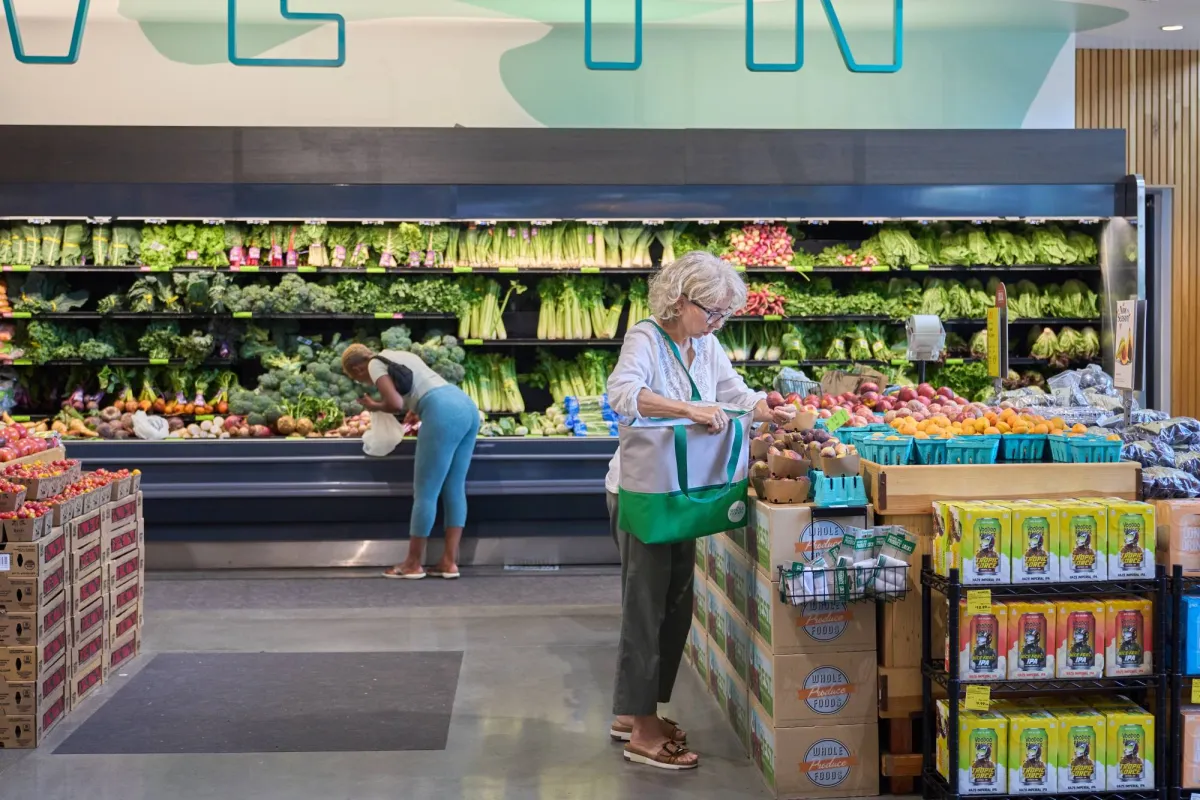
US inflation rises more than expected ahead of midterm elections
The pace of price rises increased to 3.7% in the year to September, driving by higher motor fuel costs.
In the month leading up to the mid-term elections, the United States experienced inflation at a rate of 3.7%, surpassing expectations. This surge in prices can be attributed to escalating gasoline costs, which have skyrocketed due to disruptions in Middle Eastern energy supplies resulting from the US-Israeli conflict with Iran. The elections are heavily influenced by the growing concerns over the cost of living in America.
Inflation reflects the rate at which the price of goods and services increases over time. For instance, if a gallon of milk increases from $1 to $1.10 within a year, the annual inflation rate for milk would be 10%. The Bureau of Labor Statistics measures inflation using the consumer price index (CPI), which monitors price changes in numerous goods and services, from groceries to medical services, purchased daily by Americans.
The bureau continuously updates this "basket of goods" to align with evolving spending habits and lifestyle preferences. Various factors contribute to inflation's rise. When demand exceeds supply for a product, producers may raise prices, as seen with the popularity of Lab tags and subsequent skyrocketing resale prices. Economic growth, such as higher incomes, can also fuel inflation due to increased demand.
Conversely, if the supply of a product diminishes while demand stays constant, prices will also increase. The ongoing US-Israeli war with Iran has severely disrupted crude oil supplies, causing its price to soar from under $70 to over $100 per barrel. President Donald Trump introduced tariffs on numerous US trading partners during his second term.
Although some of the initial tariffs were later reduced, the president reinstated a 10% global tariff after the Supreme Court blocked the remaining ones. These tariffs have indirectly contributed to inflation, as they increase costs for US businesses unless overseas companies lower prices to offset the tax. The New York Fed discovered that nearly 90% of the added tax burden was absorbed by US-based companies, leading to a nearly 0.25% price increase for consumer goods following a 1% rise in average tariffs.
While inflation is currently above the Federal Reserve's desired 2%, it has been significantly higher in the past. During the COVID-19 pandemic, supply chain disruptions exacerbated inflation. After Russia's full-scale invasion of Ukraine, oil prices surged beyond $100 per barrel, contributing to the inflation peak of approximately 9%.
It's crucial to remember that slower inflation doesn't necessarily mean falling prices; it merely indicates a slower rate of price increase. Moderate inflation, around 2% or slightly higher, is generally considered beneficial for an economy, aligning with the Federal Reserve's target rate. Central banks often view inflation at this level as stable and not impacting consumers' purchasing decisions.
Conversely, if inflation remains below this threshold, people may postpone spending in anticipation of further price declines, potentially affecting business wages and workforce.
Written by urgent.news from BBC Business's reporting — not their text. Machine-written — may contain errors; check the original before relying on it.
This story
This is one outlet's version. Read the fullest account.