Ukraine-NATO AI built to forecast Russia’s front-line drone attacks from past data and weather is ready to plug into the army
Drone types, areas, time windows: the model was tested on real data. A second tool ranks artillery plans and is now in trials.
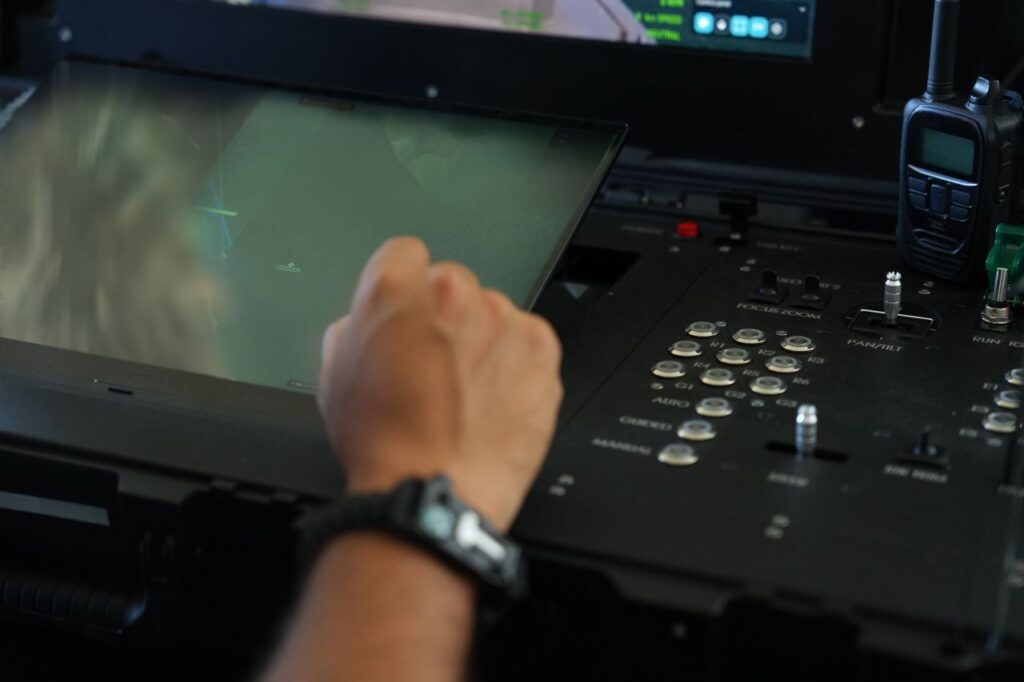
Ukraine and NATO recently showcased two artificial intelligence (AI) tools in Vilnius, Lithuania, according to the Ukraine Defense Ministry on October 13. One of these AI systems is designed to forecast Russian drone attacks near the front lines, and it is prepared to integrate into Ukraine's Armed Forces situational awareness systems. The second AI tool aids in planning artillery fire but is still undergoing testing.
The AI tool for predicting drone attacks is a vital resource, as it can estimate the location, timing, and type of drones that are likely to strike. This capability is crucial given that front-line casualties caused by FPV drones have reportedly reached up to 80% of total losses, as indicated by Ukraine's military in March. Russia has allegedly been attempting to replicate Ukraine's model to bolster its drone forces, a concern raised by Robert Brovdi, Ukraine's drone forces commander, in May, and Kyrylo Budanov, head of the Presidential Office, in June.
Budanov noted that adding more drones does not fundamentally alter the battlefield, but rather, the focus should be on the integration of AI.
The NATO-Ukraine Joint Analysis, Training and Education Center (JATEC) unveiled both AI tools during a three-day seminar in Lithuania. This collaboration between NATO's Allied Command Transformation and Ukraine's Armed Forces, under the guidance of JATEC, has validated the forecasting AI using real-world data and refined it for integration into Ukraine's Armed Forces situational awareness systems.
Model No. 13, responsible for drone attack prediction, utilizes past data, weather conditions, and the current battlefield situation to gauge the intensity, areas, time windows, and types of drones involved, with a high degree of accuracy.
Model No. 32, on the other hand, serves as a decision-support module for artillery planning. It evaluates whether artillery plans can be generated automatically by considering mission requirements and current operational data, including available weapons, ammunition, firing positions, and constraints. This process reduces manual comparison, accelerates decision-making, and streamlines the fire loop for military commanders.
The prototype of Model No. 32 is currently under trial with Ukraine's military, and upon successful trials and validation, it may be expanded to other units involved in striking Russian forces.
Written by urgent.news from Euromaidan Press's reporting — not their text. Machine-written — may contain errors; check the original before relying on it.