Three Spanish Property Myths That Can Cost You Money
When buying property in Spain, you are often told to “check the paperwork!” That is good advice, but the problem […]
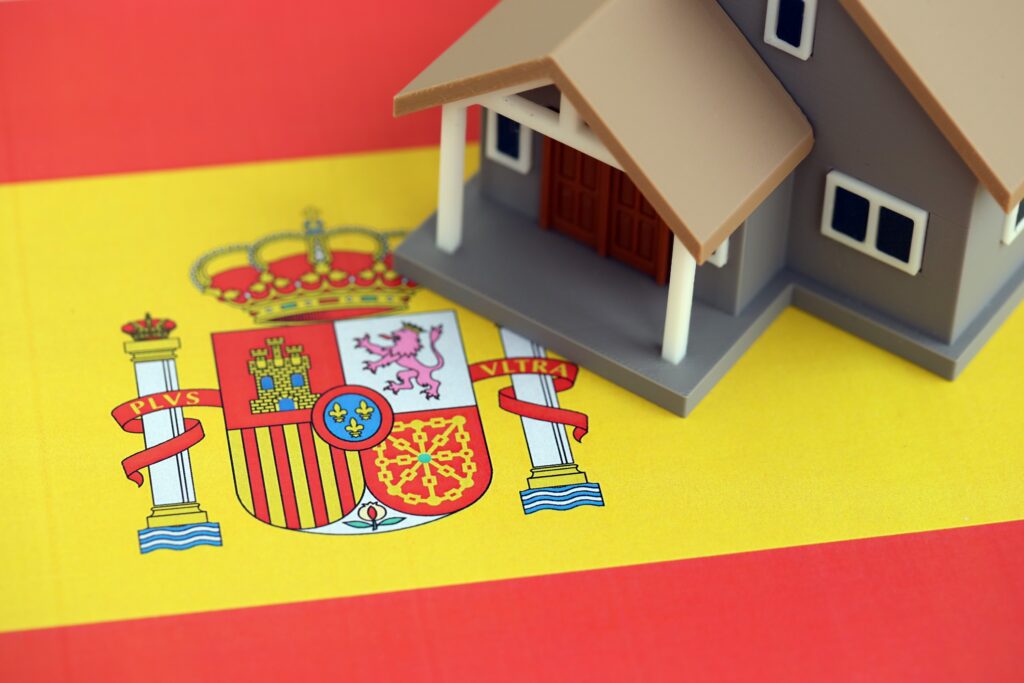
In Spain, new homebuyers are frequently advised to "check the paperwork" when purchasing property. However, many individuals mistakenly believe that a single document or professional guarantees the property's legitimacy. Even when seeking professional guidance, buyers can still fall victim to several widespread misconceptions. Here are three of the most prevalent myths:
1. A Nota Simple from the Land Registry is a crucial document that details the registered description of the property, its ownership, and any registered mortgages or embargoes. However, it does not confirm that all extensions, swimming pools, garages, or outbuildings have the necessary planning permissions. The Nota Simple is merely an informative summary of the property's registered legal position.
2. The Catastro is an administrative register that records the physical, economic, and legal characteristics of property for cadastral purposes. The presence of a construction in the Catastro does not prove that the Town Hall approved it or that it adheres to planning laws.
3. The notary plays a vital role in a Spanish property sale by verifying the identity and capacity of the parties, reviewing ownership and registered charges, checking cadastral and tax-related information, and ensuring the deed complies with legal requirements. Nevertheless, the notary does not inspect the property physically nor certify that every structure on the land complies with planning law.
In essence, no single document provides a complete picture of a Spanish property. To ensure a safe purchase, buyers must compare the Land Registry, Catastro, planning position, and the physical reality of the property, while investigating any discrepancies before making a commitment. Excitement can lead people to overlook important details, so it is essential to ask questions and seek clarification to avoid expensive issues down the line.
Written by urgent.news from Euro Weekly News's reporting — not their text. Machine-written — may contain errors; check the original before relying on it.