'They cannot compete with the prices that fish factories will pay': How demand for fish meal takes priority over feeding people
In this excerpt from "Every Last Fish," author Rose George examines the deep-rooted problems of the regulations surrounding fish meal.
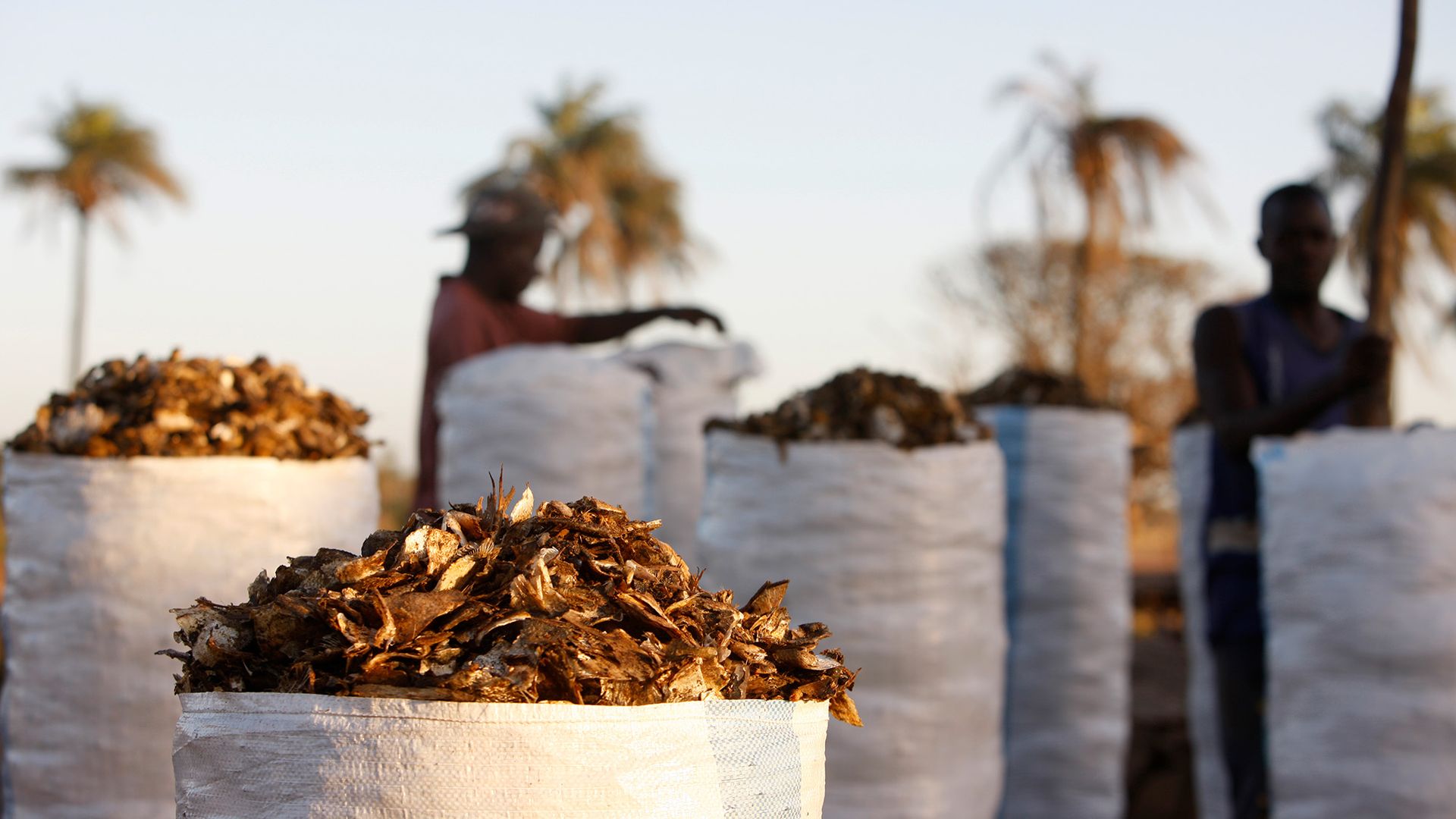
Fish meal, a protein-rich product derived from raw fish and their byproducts, is often harvested from smaller fish species like anchovies, sardines, and herring. This meal is used to feed livestock, farmed fish, and pets. However, the lucrative market for fishmeal sometimes takes precedence over feeding people in developing countries.
In West Africa, vast quantities of fish are caught and processed into fishmeal for farming in Europe and China, rather than being consumed by local populations. According to journalist Rose George, half a million tonnes of wild fish are caught in African waters annually and sent to Europe to feed animals, when they could have provided sustenance for 33 million Africans.
The industry, known as FMFO (fishmeal and fish oil), is valued at billions and has a wide range of applications, from fertilizer to pet food. Despite its potential sustainability, much of the fish caught in West Africa is exported for fishmeal, leaving local communities with little to no benefit. European retailers like Sainsbury's, ALDI, Lidl, and Marks & Spencer have been linked to fishmeal supply chains that use West African fish, but it remains unclear if they are using sustainable sources.
Written by urgent.news from Live Science's reporting — not their text. Machine-written — may contain errors; check the original before relying on it.