The Legend of Zelda: Ocarina of Time Remake Is Surprisingly More Different Than You Think | IGN Preview
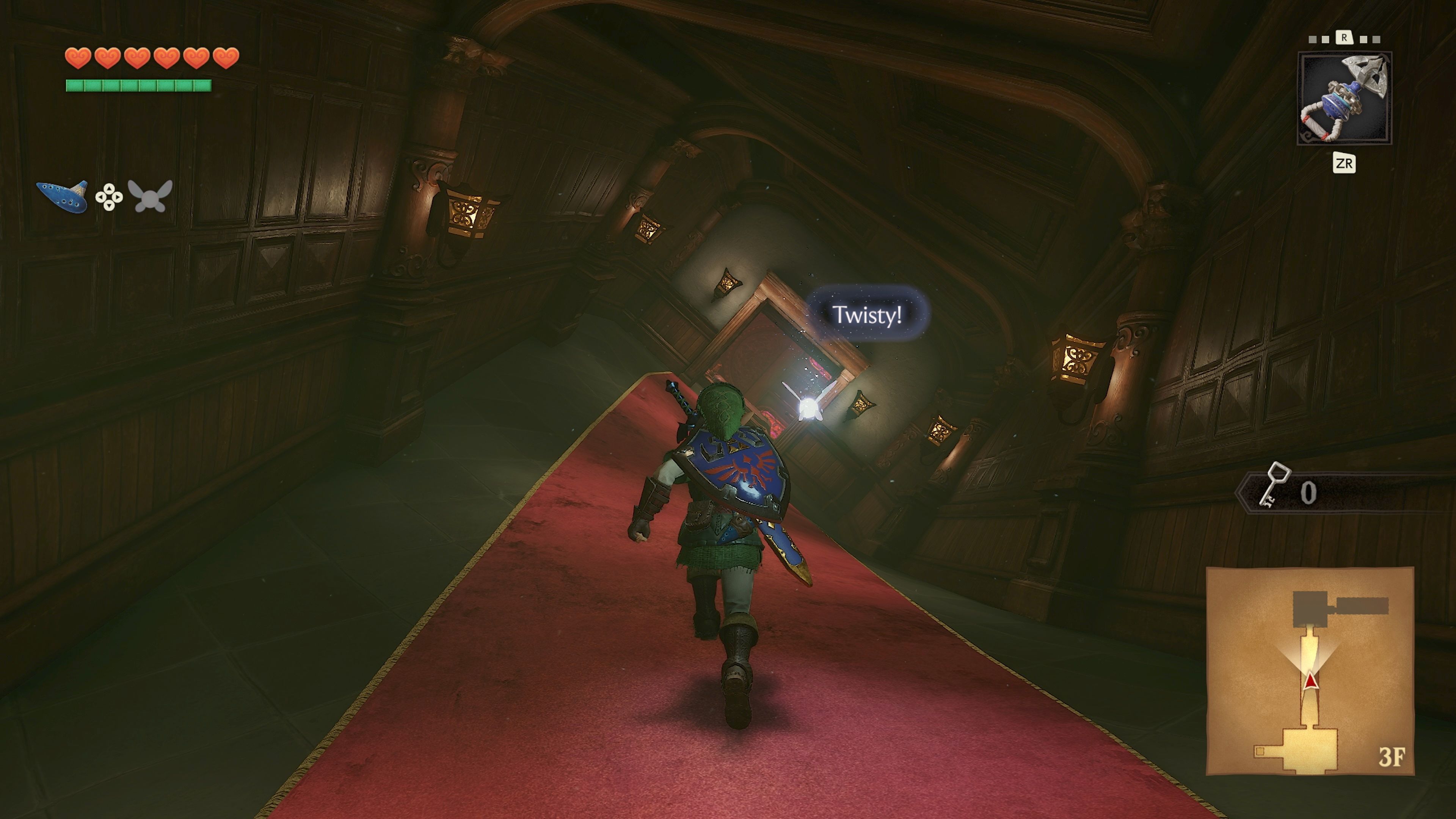
The Legend of Zelda: Ocarina of Time is far from a 1:1 remake. When I played it, I found familiar rooms containing redesigned challenges that change how the world and player function. I spoke to old friends who had new things to say that added texture to Hyrule and its people. And, I unpacked how its updated controls and detailed art design redefine its old-school combat and puzzle solving for…
The Legend of Zelda: Ocarina of Time remake offers a surprisingly different experience compared to the original, despite being described as a "faithful interpretation" of the Nintendo 64 classic. The remake boasts expanded dialogue, revamped puzzles, and a detailed new art style that emphasize depth. Some structural changes convey a more logically constructed world, while the theatrical style of Hyrule draws inspiration from the game's original inspirations.
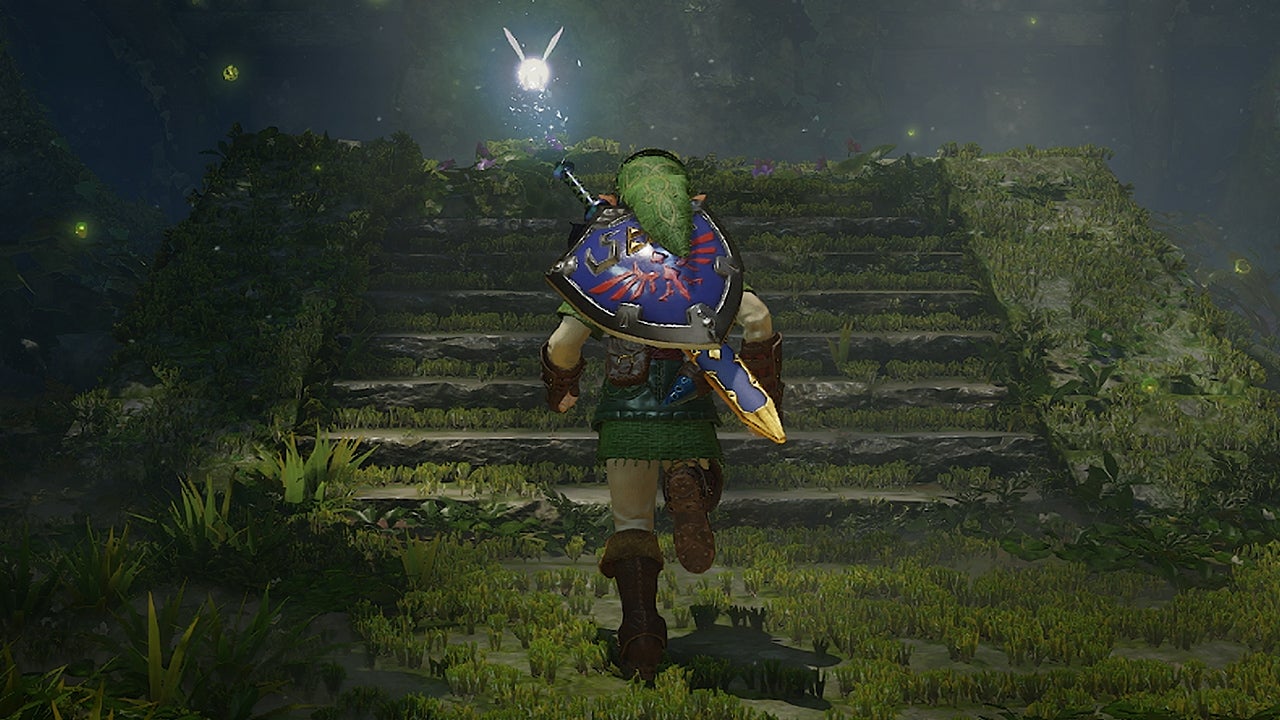
Upon entering Kokiri Forest, players are immediately struck by the attention to detail in the environment and Link's appearance. The forest now features realistic lighting, thriving flora, and Link's tunic adorned with handwoven details. The 60 fps visuals and authentic musical performance further enhance the immersive experience, making Hyrule feel more intimate than ever.
The remake also reimagines the dialogue, with characters like Castle Town citizens and the shopkeeper providing unique perspectives on Link's presence. The level design has been altered, presenting new challenges that guide players through the world in a more relevant and engaging manner. For instance, the Kokiri Sword challenge has been redesigned, requiring players to jump to reach the treasure, rather than relying on the camera-recentering tutorial from the original game.
The remake prioritizes depth over scope, focusing on presenting a richly constructed world with carefully thought-out elements. The Forest Temple, in particular, showcases this approach, with new cutscenes that delve deeper into the dungeon's antagonists. The overall layout remains largely unchanged, but subtle details like a crumbling bridge and atmospheric fog contribute to the sense of a historically constructed setting, reminiscent of the series' traditional dungeons.
Written by urgent.news from IGN's reporting — not their text. Machine-written — may contain errors; check the original before relying on it.