The jaguarundi is relatively easy to see. That may have hidden its decline
Founder’s Briefs: An occasional series where Mongabay founder Rhett Ayers Butler shares analysis, perspectives and story summaries. The jaguarundi was recently recategorized from least concern to near threatened on the IUCN Red List, reports contributor Sean Mowbray for Mongabay. The small cat, which ranges from Mexico to southern Brazil and Argentina and lives in a […]
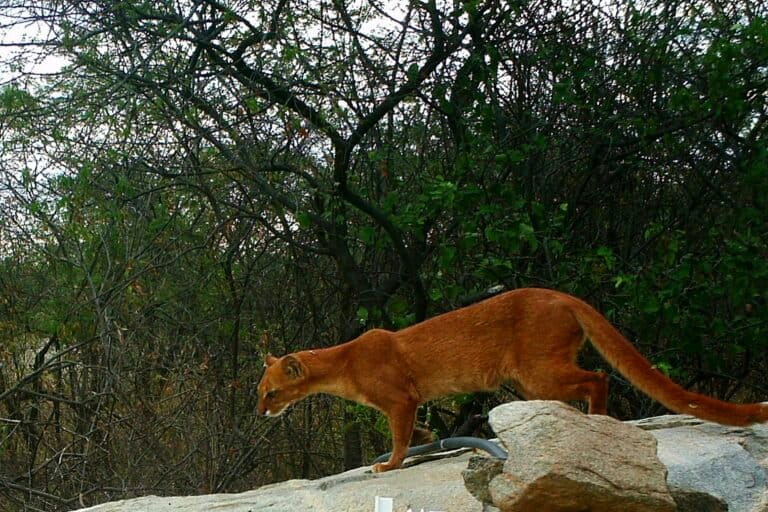
The jaguarundi, a small cat species found across Mexico, Central America, and into South America, has recently been reclassified from "least concern" to "near threatened" on the IUCN Red List, according to a report by Mongabay contributor Sean Mowbray. This change in status may come as a surprise to many, as the jaguarundi is one of the most frequently seen small cats in the Americas, often living in open areas and being active during the day.
Conservationist Tadeu de Oliveira, who led the assessment as co-chair of the Cat Specialist Group at the IUCN, explained that the jaguarundi's frequent sightings have led people to perceive it as common. However, upon analyzing the data, it became clear that the species is actually experiencing a decline. The reasons for this decline include human-wildlife conflict, dangers from roads, attacks by domestic dogs, and infectious diseases.
Despite its distinctive appearance, resembling an otter with its unique vocalizations and color variants, the jaguarundi has managed to remain relatively easy to spot. Conservationists hope that the reclassification to "near threatened" will help raise awareness and garner more attention to this charismatic species, which is found across a wide range of habitats in the Americas.
Written by urgent.news from Mongabay's reporting — not their text. Machine-written — may contain errors; check the original before relying on it.