The illusion of a good deal: Why some everyday money-saving habits may be costing you more
At a busy filling station somewhere in Accra, an attendant rests the pump nozzle inside a sedan’s fuel tank. Seconds after a sharp metallic click signals the tank is full, the attendant glances at the driver and asks a routine question: “Master, should I round it up?”
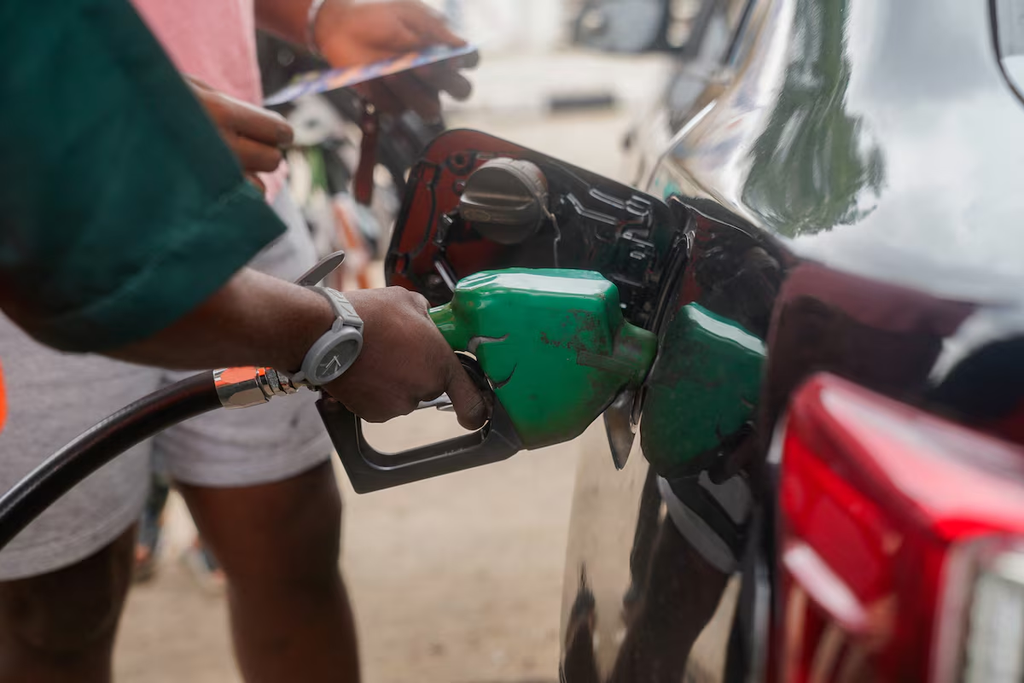
The practice of filling fuel tanks or LPG cylinders beyond the recommended limits is a common consumer habit in Ghana, despite the potential for severe long-term consequences. At busy filling stations, attendants sometimes top off tanks with a quick squeeze of the lever, while LPG station workers may ignore manufacturer safety thresholds to maximize volume.
This behavior can lead to costly engine repairs and increased risks of catastrophic valve failure due to liquid fuel flooding the EVAP charcoal canister. Similarly, overfilling domestic LPG cylinders eliminates the safety buffer, increasing the likelihood of valve failure. The idea that second-hand parts are inherently better than new ones is another widespread myth.
Mechanics in Ghana often recommend used original parts, claiming they have been "tested and proven." However, used parts can carry hidden wear and tear, such as invisible cracks or worn-out internal components, which may not be evident on the surface. Additionally, these parts often lack warranties, leaving consumers responsible for any subsequent repairs.
This practice can result in higher monthly power bills if consumers opt for used fridges and appliances, as older models are typically less energy-efficient than new ones. Lastly, the habit of pre-stopping by trotro drivers to pick up passengers before reaching designated bus stops contributes to urban congestion and increased travel times.
This behavior creates bottlenecks along key corridors, negatively impacting commuters' productivity and safety. To improve consumer habits and market efficiency, consumers should adhere to manufacturer protocols, consider the total cost of ownership when making purchases, and support policy changes and transit discipline enforced by municipal assemblies and driver unions.
Recognizing the hidden economic costs of these popular myths is the first step towards building a safer, more sustainable marketplace.
Written by urgent.news from MyJoyOnline Ghana's reporting — not their text. Machine-written — may contain errors; check the original before relying on it.