The first new sunscreen type in 25 years hits U.S. store shelves
For the first time in more than a quarter-century, Americans have a new option when shopping for sunscreen: a skin-protecting chemical that’s long been a go-to option in Europe and other parts of the world. The U.S. Food and Drug Administration approved bemotrizinol—sometimes called BEMT— in June. The first sunscreens containing it are now hitting U.S. store shelves, including formulas from…
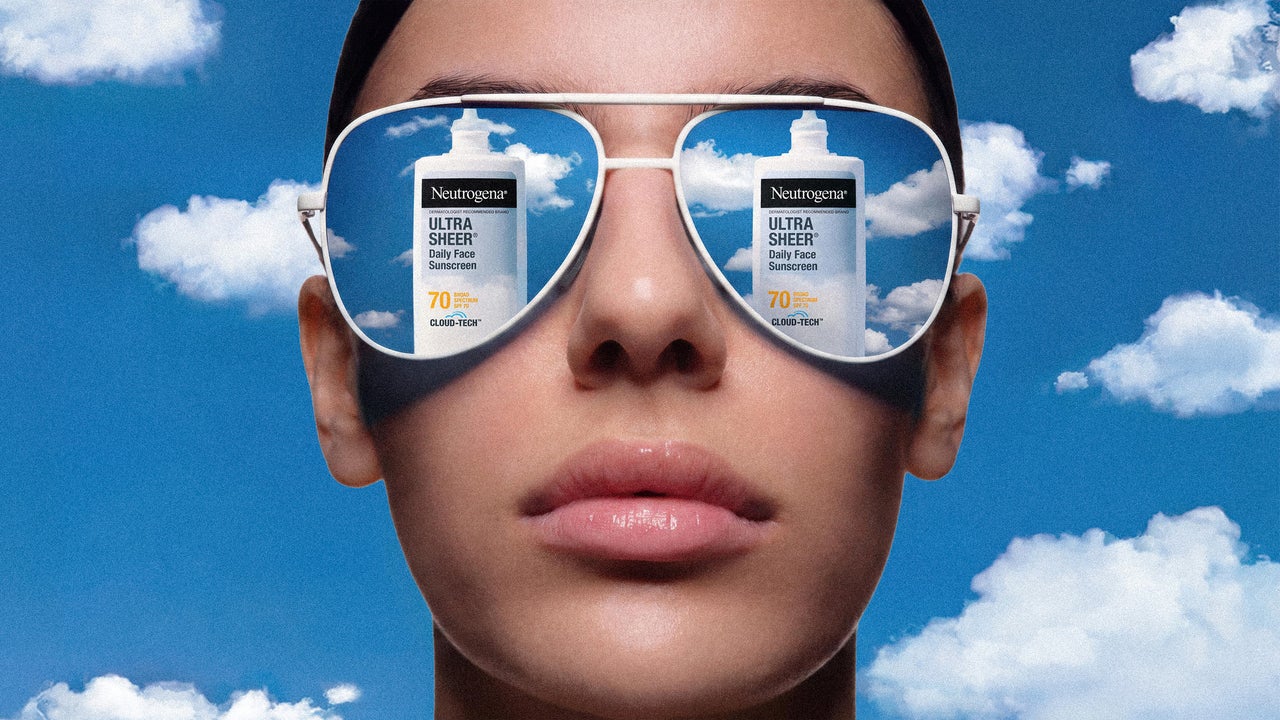
After more than two decades without a new sunscreen option, Americans now have a choice: bemotrizinol, or BEMT, a skin-protecting chemical. The U.S. Food and Drug Administration approved BEMT in June, and its inclusion in sunscreens by brands like Neutrogena is now available in stores. Dermatologists hail BEMT as a solution to a notable market gap, offering broad protection without the cosmetic downsides of older sunscreen ingredients.
Unlike older chemical sunscreens, BEMT has minimal absorption into the skin, a concern with certain older sun-blocking chemicals. The FDA approved BEMT based on decades of safety data, including studies showing minimal skin absorption. Dermatologists emphasize that BEMT provides broad protection against both UVB rays, which cause sunburn, and UVA rays, which pose a greater risk for skin cancer and wrinkles.
BEMT is the first chemical-based sunscreen to offer dual protection. Previously, manufacturers had to mix multiple ingredients to provide protection against both forms of ultraviolet light. Mineral-based formulas using zinc oxide and titanium dioxide have long offered strong protection, but some users avoid them due to white streaking and undesirable texture.
BEMT addresses this issue with its physical blocking properties. The FDA determined BEMT to be "generally recognized as safe and effective," based on extensive studies in more than 500 patients conducted by Dutch manufacturer DSM Nutritional Products. Levels of BEMT absorbed into the skin were nearly undetectable, and it caused no irritation or allergic reactions in users.
This makes it an appealing option for those who prefer not to use mineral-based sunscreens. Scientists warn that some sunscreen ingredients can harm coral reefs, leading to bans on certain chemicals like oxybenzone and octinoxate in Hawaii and parts of Florida. However, the U.S. government doesn't classify the environmental impact of sunscreens, and the FDA has not yet approved BEMT based on its environmental impact.
Written by urgent.news from Fast Company's reporting — not their text. Machine-written — may contain errors; check the original before relying on it.