The fierce fintech race for financial loyalty in South Africa goes beyond payments
South Africa’s fintechs are moving beyond customer acquisition to capture everyday spending, build lasting financial relationships and turn digital payments into sustainable revenue.
South Africa's fintech sector is locked in a fierce competition to own the platforms that manage how consumers receive, transfer, and spend money. This prize is the ability to become a permanent part of consumers' financial lives. Traditional financial institutions, mobile network operators, and remittance providers are converging on this opportunity, aiming to make everyday transactions seamless to encourage loyalty and generate revenue.
The next stage of this fintech race will be determined not by the number of accounts opened, but by who becomes an essential part of consumers' daily financial activities. This requires more than just a simple app or low-cost transfers; it demands the creation of services that customers use repeatedly to receive, store, and spend money.
The potential for growth is significant. In 2024, South Africa's card payments totaled R2.7 trillion ($149.4 billion), with cash making up 56% of consumer transactions by volume, according to the South African Reserve Bank. For fintechs, the goal is to capture more of this continuous spending, turning it into repeated usage and consistent revenue.
The underlying infrastructure for these relationships is being reshaped. Bank Zero, an app-only lender, serves as an example of this transformation. The company achieved its first break-even month in August 2026, five years after launching. Its future growth depends on alliance banking, which allows fintechs, retailers, and digital platforms to offer financial services through Bank Zero's infrastructure.
This model separates the banking systems from the customer-facing brand, with partners providing customers and distribution while Bank Zero supplies the technology that powers their financial products. Bank Zero currently has 275,000 direct customers, while its partnerships bring an additional 500,000 customers, though the total customer reach is unclear due to some overlap.
Collaborations like Bank Zero's partnership with Mukuru highlight how this model can expand a bank's reach without requiring it to acquire every customer directly. However, scale does not guarantee customer loyalty. Bank Zero can provide the necessary infrastructure, but partners may retain control over the customer experience. This raises a strategic question about who ultimately owns the relationship.
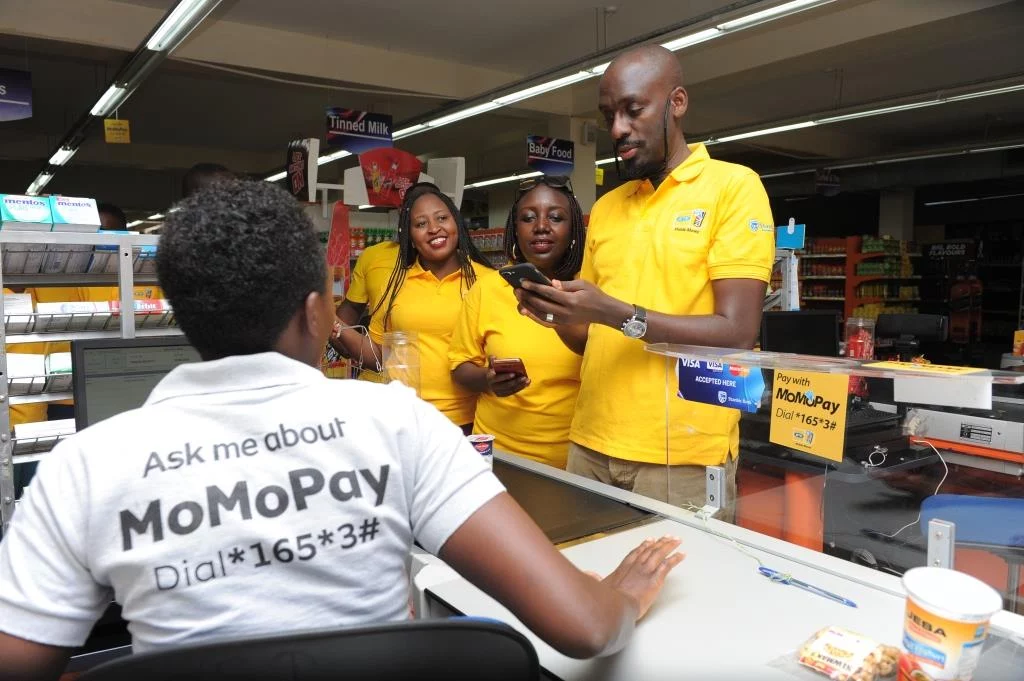
For MTN MoMo, a mobile money and digital financial services platform, the challenge is converting its 317 million telecom subscribers into active users of its financial services. In September 2026, MoMo had over 70 million monthly active users across 14 markets, demonstrating the difference between having distribution and building financial habits.
MTN aims to turn its vast subscriber base into active users of digital wallets, expanding beyond basic transfers into everyday payments, merchant payments, savings, lending, and cross-border transfers. Similarly, FNB Connect, a bank-owned mobile virtual network operator, combines mobile connectivity with banking services and rewards to engage customers throughout the day.
In its latest financial year, FNB Connect and associated services generated R28.6 billion ($1.7 billion) in customer value and sales, an 18% increase. This convergence is notable because it's no longer just banks and fintechs competing; mobile operators are also entering the fray, offering connectivity, rewards, and other services to foster more frequent customer engagement.
Mukuru's strategy, which extends beyond remittances, illustrates the importance of the money's journey after it arrives. The company, initially focused on helping migrants send money home, now aims to extend this relationship by enabling customers to hold funds, make payments, and access additional financial services. Bank Zero provides the infrastructure for Mukuru's account and card offerings, and about 500,000 Mukuru customers are being migrated onto Bank Zero's platform.
This demonstrates how a remittance business can evolve into a full-fledged banking service without building its own bank from scratch. Both Mukuru and Bank Zero recognize that making money more useful after it has arrived can create more opportunities to serve customers. However, the real challenge lies in converting this proposition into repeated usage.
If customers continue to withdraw their funds immediately or use competing services for everyday purchases, the potential to build a broader relationship remains limited. At the core of this competition is the economics of owning payments. While providers incur costs related to technology, compliance, and customer service, free transfers do not guarantee sustainable profits.
To be truly valuable, a digital wallet must offer more than just a large number of registered users. It needs reliable infrastructure, widespread merchant acceptance, and seamless interoperability to become an indispensable part of consumers' financial lives. Rushana Pillay, a Master of Management graduate in Digital Business from the University of Cape Town, emphasizes that the journey of money after it arrives is crucial for fintechs to build lasting relationships with consumers.
Written by urgent.news from TechCabal's reporting — not their text. Machine-written — may contain errors; check the original before relying on it.