The 4 emergency phone tweaks that keep your battery alive in a power outage
Preserve your phone battery during a power outage. Learn the 4 essential settings expert Marcus Clarke recommends toggling to maintain emergency connectivity.
When the lights go out, smartphones become crucial for accessing emergency information and contacting loved ones. However, background processes and constant radio searches drain batteries quickly. Following a few setting adjustments can significantly prolong battery life. Marcus Clarke, founder of The Prepared Household, advises three key changes.
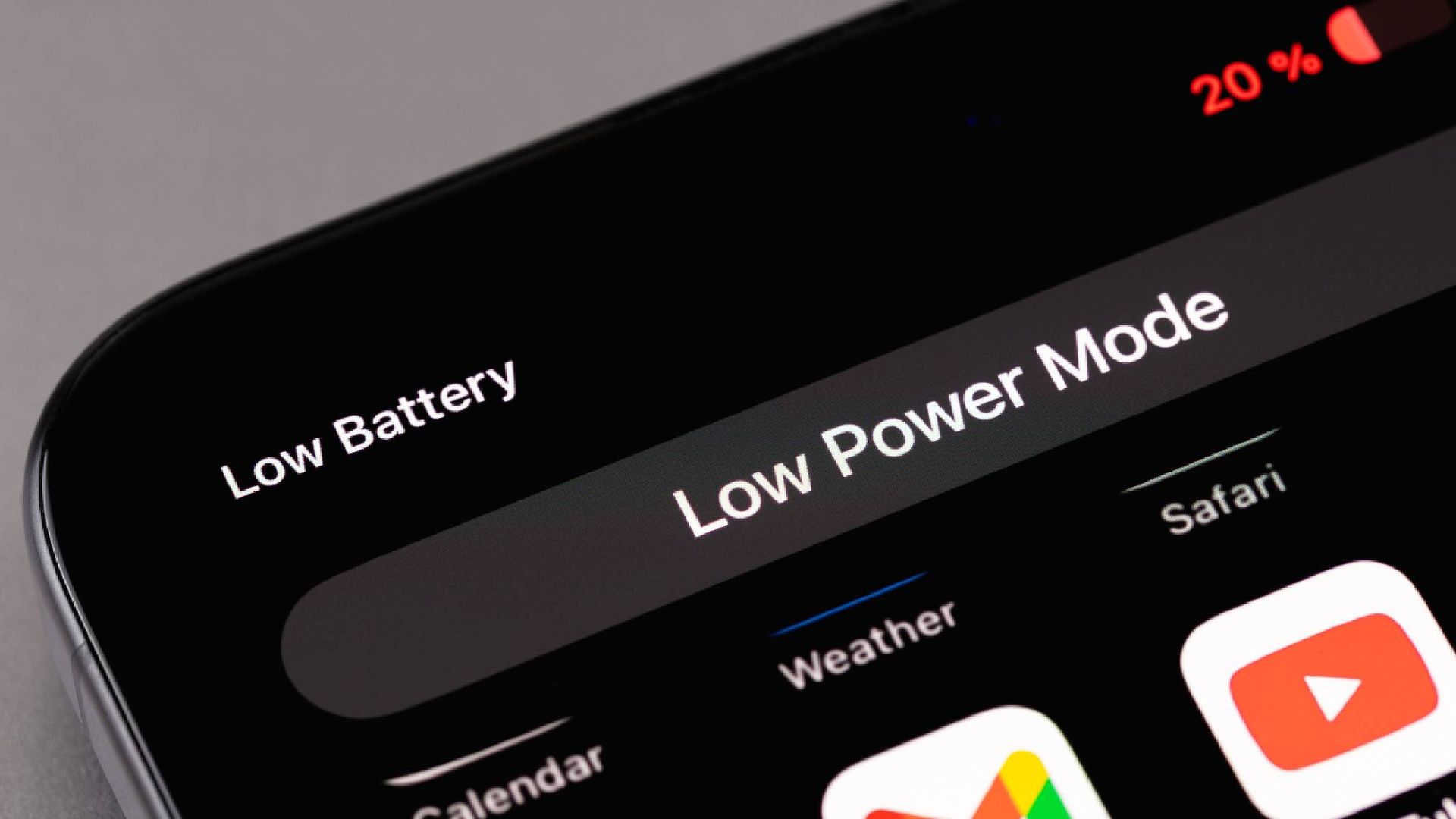
First, activate Low Power Mode or Battery Saver. On iPhones, go to Settings > Battery > Power Mode and enable Low Power Mode. On Android devices, swipe down from the top to access Quick Settings and tap Battery Saver or Power Saving Mode. This throttles CPU performance, halts background app refresh, and cancels cloud backups.
Second, turn off Wi-Fi and Bluetooth. During power outages, cell towers and Wi-Fi networks often lose power or become congested, causing your phone to expend more energy searching for connections. Open Settings, disable Wi-Fi, then return to Settings and turn off Bluetooth. Avoid temporary shortcuts that only disconnect devices temporarily.
Third, reduce screen brightness and shorten auto-lock duration. Displays are the biggest battery consumers. Lower the brightness to the lowest setting and enable Dark Mode to minimize energy use. Set the screen to auto-lock after 30 seconds on iOS or 15 or 30 seconds on Android.
Finally, enable Do Not Disturb to prevent unnecessary notifications. Every notification wakes the screen and processor, draining battery. On iPhones, open Settings > Focus > Do Not Disturb and turn it on. On Android, swipe down from the top to access Quick Settings and enable Do Not Disturb. Make sure emergency calls and repeated calls are allowed. By making these adjustments, you can ensure your phone remains a reliable source of information and communication when you need it most.
Written by urgent.news from Tom's Guide's reporting — not their text. Machine-written — may contain errors; check the original before relying on it.