“Stunningly short-sighted” NOAA grant cuts threaten US climate resilience
After Donald Trump began his second term as president of the U.S. in 2025, his administration moved to dramatically cut federal funding for agencies including the National Oceanic and Atmospheric Administration (NOAA), which administers grants for community-based projects that often focus on climate resilience. The nonprofit Grant Witness has created a database of those awards […]
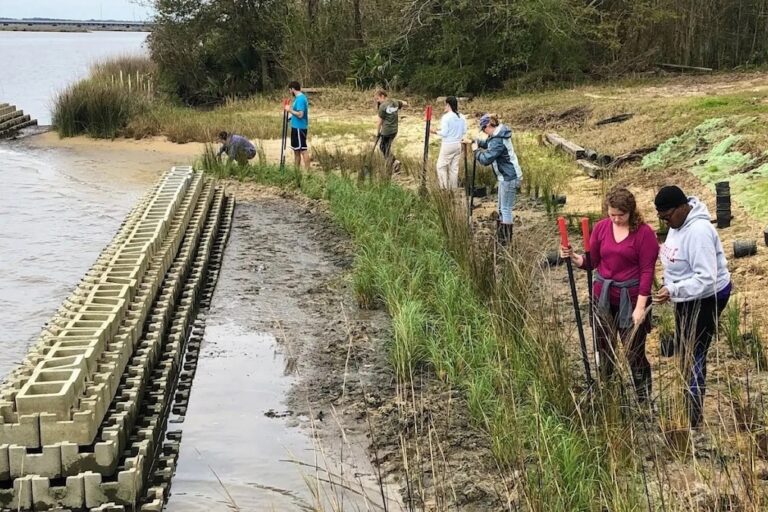
The administration of Donald Trump, who began his second term as president of the U.S. in 2025, drastically reduced federal funding for agencies, including the National Oceanic and Atmospheric Administration (NOAA). Among the most significant impacts was a 74% drop in NOAA's grants, with only 229 awarded by September 2, compared to an average of 891 in previous years.
A major casualty was a $1.2 million grant for the New Orleans Community Support Foundation, which was dedicated to enhancing climate-resilient water management, particularly for marginalized communities in the flood-prone city. This funding would have supported planning initiatives to prevent flooding and other coastal challenges.
Similarly, the University of Washington's Northwest Climate Resilience Collaborative, which received more than $2.5 million, faced termination, dealing a significant blow to climate adaptation efforts and community-based resilience in the region. The termination affected projects aimed at building resilience against extreme heat, drought, and sea-level rise in rural and tribal communities.
Written by urgent.news from Mongabay's reporting — not their text. Machine-written — may contain errors; check the original before relying on it.